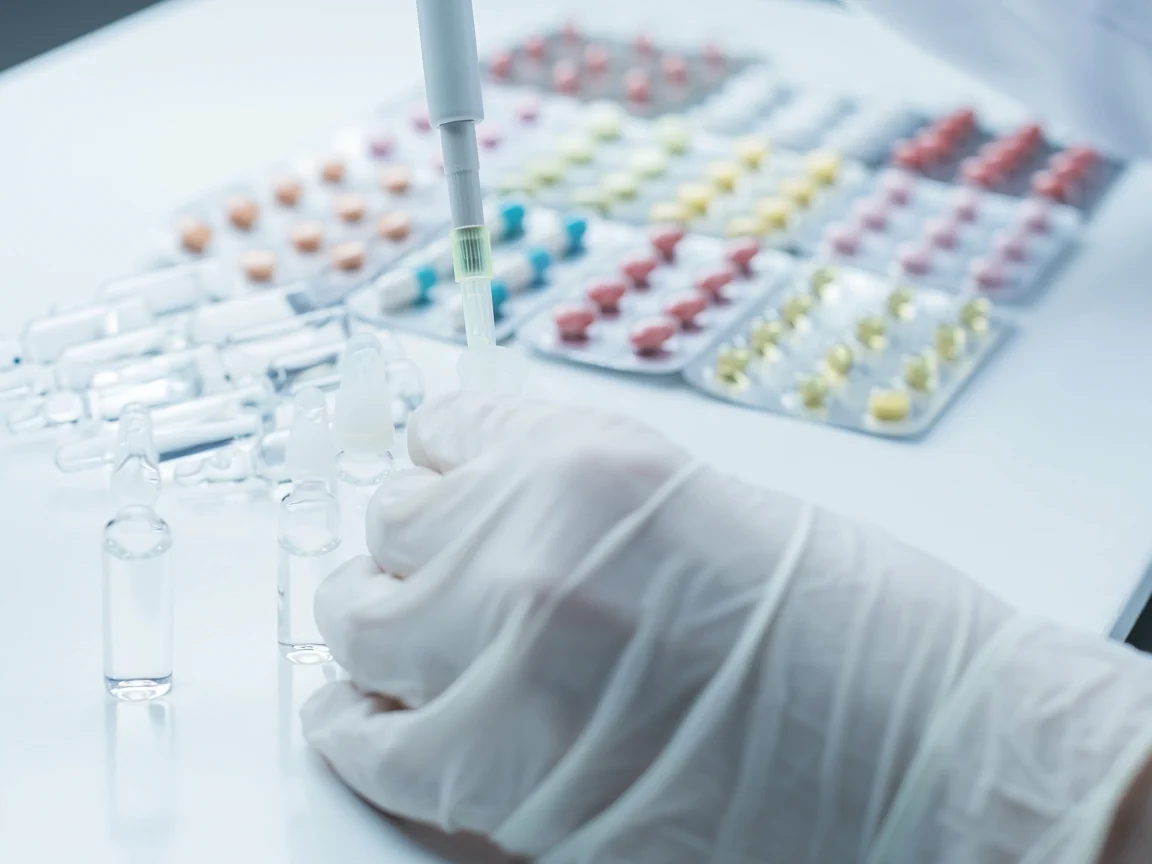
Before people
Candidate medicines are first tested in the laboratory and in animals to look for obvious toxicity and to estimate a safe starting dose. Only then can sponsors apply to regulators to begin testing in humans.
Three phases
Phase I gives the drug to a small number of volunteers, often healthy, to study safety and how the body handles it. Phase II gives it to patients with the condition to look for signs it works and to refine the dose. Phase III enrols hundreds or thousands of patients to confirm benefit and detect less common side effects.
Fair comparisons
Large trials are usually randomised, meaning patients are assigned by chance to the new treatment or a comparison such as a placebo or standard care. In double-blind trials neither patients nor doctors know who received what, reducing bias.
Approval and beyond
Regulators such as the US FDA or the European Medicines Agency review the full evidence. After approval, Phase IV monitoring continues, because rare side effects may appear only when millions of people take a medicine.
Sources & further reading
Success rates vary considerably by disease area. Photograph: original AI-generated illustration (Adobe Firefly). Reference organisations do not endorse this website.