Two machines in one
A cash machine, or automated teller machine, is really two devices joined together. The top half is a computer with a card reader, an encrypting PIN pad, a screen and a receipt printer. The bottom half is a heavy safe holding cassettes of banknotes and a dispensing mechanism. The computer has no authority to give money away; it acts as a terminal that asks a bank for permission. One of the world’s first cash machines opened in June 1967 at a bank branch in Enfield, north London, and used paper vouchers impregnated with a mildly radioactive compound instead of plastic cards. Within decades, cash machines spread worldwide.
The approval journey
When you insert your card and type your PIN, the PIN pad encrypts it immediately, so it never travels as plain text. The machine builds a request containing your card details, the encrypted PIN and the amount, and sends it to the bank or company that operates the machine. If the card belongs to another bank, the request passes through a payment network or national switch to your bank. In the UAE, a national switch connects local banks, while international card networks handle foreign cards. Your bank checks the PIN, your balance or credit limit and fraud rules, then replies with an approval or decline, usually within a couple of seconds.
Counting money precisely
Once approved, the dispenser springs into action. Rubber rollers or suction pick individual notes from cassettes, each holding a single denomination. Sensors measure each note’s thickness, length and sometimes transparency to detect two notes stuck together or a damaged note, which are diverted into a reject bin rather than handed to the customer. The machine then stacks the notes and presents them through a shutter. If you do not take the cash within a set time, many machines retract it. Every step is logged, so that if a dispute arises the bank can reconstruct exactly what happened, including counts from each cassette and records from sensors.
Keeping machines filled
Cash machines need regular replenishment. Specialist cash-in-transit companies collect money from central bank or commercial cash centres, prepare cassettes and deliver them to machines on armoured routes. Banks forecast demand by location and day, because machines near shopping centres, airports and labour accommodation can empty quickly around paydays, weekends and holidays such as Eid. Some modern machines also accept deposits and recycle those notes to other customers, reducing the number of visits needed. Machines report their status continuously, warning when cash is low, paper has run out or a fault has occurred, so that engineers and cash crews can be dispatched efficiently.
Security and scams
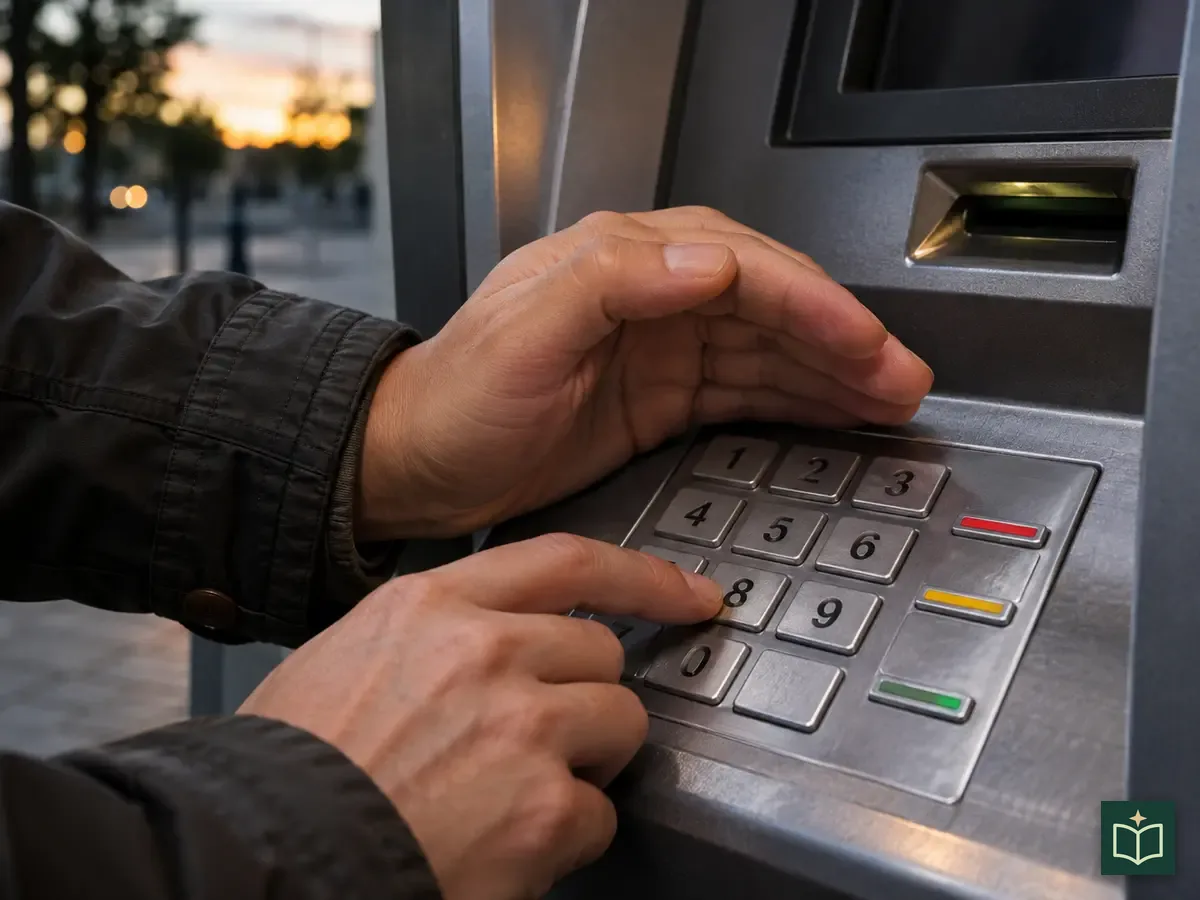
Cash machines are attractive targets, so they are designed with layers of protection. Safes are built to recognised resistance grades, and some cassettes stain notes with ink if forced open. Chip cards are much harder to clone than magnetic stripes. Criminals instead try skimming devices fitted over card slots, hidden cameras and shoulder surfing to capture PINs. Simple habits help: cover the keypad, inspect the card slot for loose attachments, use machines in well-lit or indoor locations and contact your bank immediately if a card is retained. Banks will never ask you to reveal your full PIN by phone, message or email under any circumstances.
The future of cash machines
As card, phone and instant payments grow, cash use is falling in many countries, and the number of cash machines in some places has declined. Yet cash remains important for many people, for small businesses and as a backup when digital systems fail. Central banks, including in the UAE, continue to issue banknotes and monitor access to cash. Machines are evolving too: many now allow cardless withdrawals using a mobile app or code, offer bill payments and support multiple languages. Some banks are sharing machines to lower costs. Whatever happens to the volume of cash, the principle remains a secure safe that obeys a distant bank.
Sources & further reading
Figures are rounded and widely published; check the linked organisations for the latest editions. These organisations do not endorse this website.