A decision inside the payment
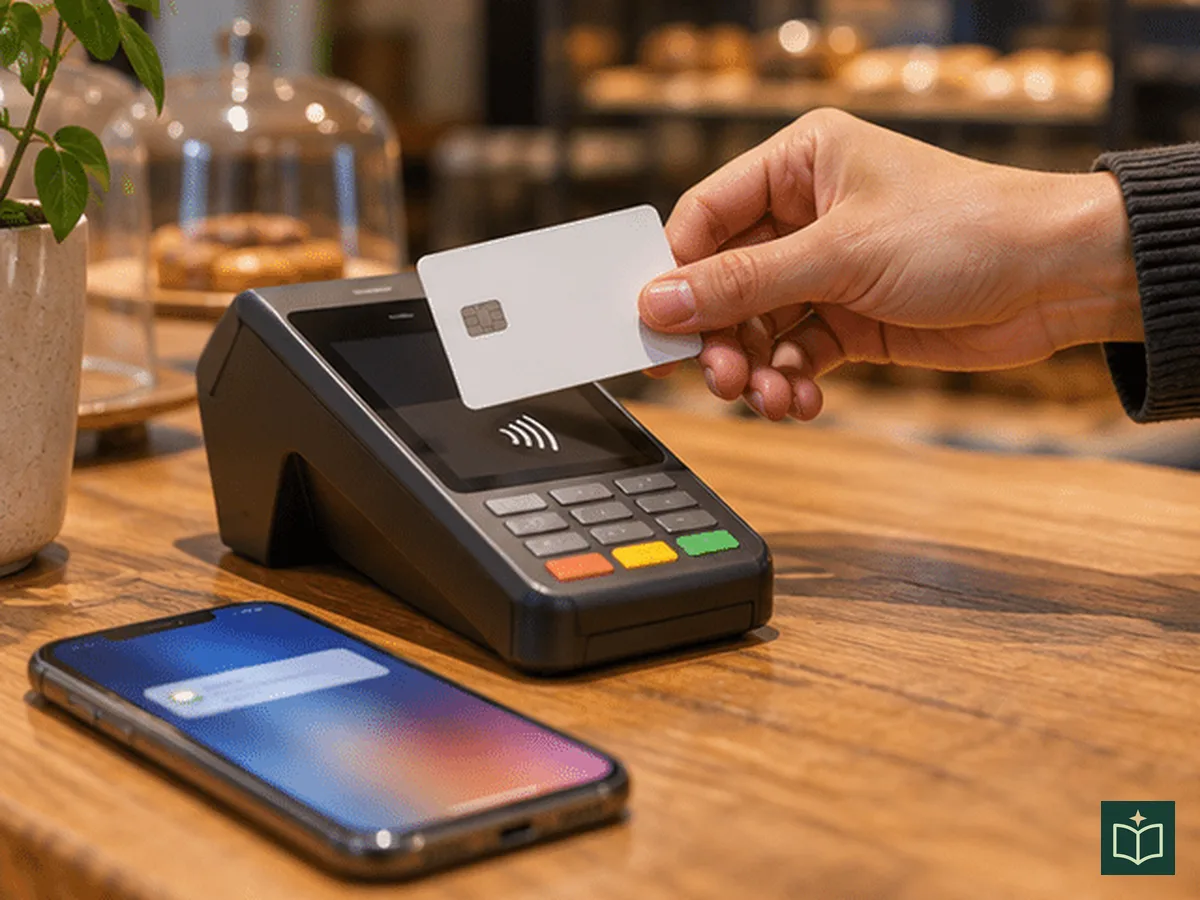
When you tap or enter a card, an authorisation request travels from the merchant through the card network to the bank that issued the card. The bank must reply within a second or two, and in that short window it decides whether the purchase looks genuine. Fraud screening is built into this step. The issuing bank runs the most important checks, because it knows the cardholder's history, but networks and merchants run their own checks too. Payment processors often score the same transaction several times along the route. The goal is to stop stolen or counterfeit card use before money moves, without slowing down millions of honest purchases.
What the systems look at
Each request carries details such as the amount, currency, merchant type, country, whether the card was physically present, and how it was read: chip, contactless, magnetic stripe or typed online. Banks add their own context. Is this merchant one the customer uses? Is the card being used in two distant cities within an hour? Has the device or delivery address changed? Did several small test payments just go through? Online shops can also share device fingerprints and behavioural signals, such as how quickly a form was filled in. None of these alone proves fraud, but together they show how far a purchase departs from normal behaviour.
Rules and machine learning
Early fraud systems relied on fixed rules, such as blocking large purchases abroad. Rules are still used, but most banks now combine them with machine-learning models trained on millions of past transactions labelled as genuine or fraudulent. The model produces a score, and the bank sets thresholds: low scores are approved, high scores declined, and a middle band triggers extra verification, such as a one-time passcode or approval in the banking app. Online, the 3-D Secure protocol supports this step-up check. Models are updated as fraudsters change tactics, and confirmed fraud reports from customers feed back into training, so the system keeps learning from its own mistakes.
Why honest purchases get stopped
Fraud is rare, which makes detection hard. Imagine one transaction in 1,000 is fraudulent. Out of 1,000,000 purchases, that is 1,000 fraud cases. Suppose a model flags 2% of all transactions for review or decline and catches 80% of the fraud. It would stop 800 fraudulent payments but also flag about 19,200 genuine ones, so only around 4% of flagged purchases would actually be fraud. Banks tune thresholds to balance these costs. Set them too loose and more fraud slips through; too tight and customers face embarrassing declines, call centres fill up and people switch cards. Travel and unusual large purchases are classic triggers for false alarms.
Chips, tokens and the shift online
Technology has moved fraud around rather than eliminating it. Chip cards, built on the EMV standard and rolled out widely from the 2000s, made counterfeit cards much harder to use in shops, because each chip transaction generates a unique code. Mobile wallets add tokens that hide the real card number. As a result, much card fraud has shifted to online purchases, where the card is not present, and to scams that trick customers into approving payments themselves. Systems that score transactions struggle with these authorised push scams, because the real customer is genuinely making the payment. Banks increasingly combine fraud scoring with warnings and delays for unusual transfers.
What cardholders can do
Global card fraud losses run to tens of billions of dollars a year, yet that is only a few cents for every 100 dollars spent, a sign of how much screening already blocks. Cardholders can still help. Telling a bank about travel is less necessary than it once was, but keeping contact details current means verification messages arrive. App notifications reveal suspicious charges quickly. Never sharing one-time passcodes, even with someone claiming to be from the bank, is one of the most effective protections. In the UAE, the central bank and banks regularly warn customers about these scams. This article is general information, not advice about any particular account or dispute.
Sources & further reading
Figures are rounded and widely published; check the linked organisations for the latest editions. These organisations do not endorse this website.