A balancing act
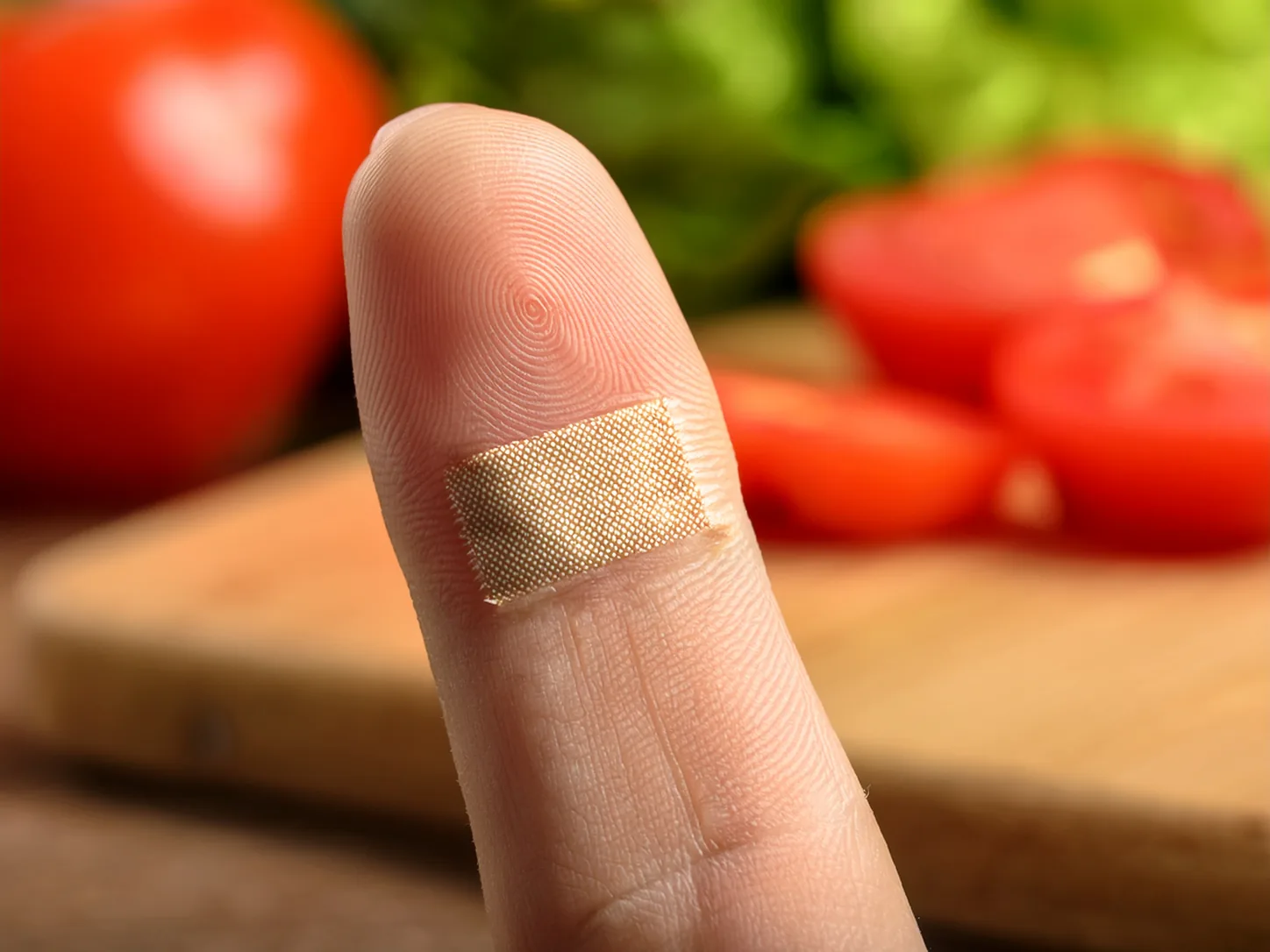
Blood has to do two contradictory things. It must flow freely through about 100,000 kilometres of blood vessels without forming lumps, yet when a vessel is cut it must turn solid within minutes at exactly the right spot. The process that achieves this is called haemostasis. It happens in overlapping stages: the injured vessel narrows, platelets gather to form a plug, and a chain of clotting proteins builds a tough mesh. A healthy person who nicks a finger usually sees bleeding stop within a few minutes. Getting the balance wrong in either direction is dangerous: too little clotting leads to bleeding, while too much can block vessels.
Platelets arrive first
Platelets are tiny cell fragments, shed into the blood from giant cells in the bone marrow, and an adult has between 150,000 and 450,000 in every microlitre of blood. Normally they glide smoothly past the vessel lining. When the lining is damaged, the collagen fibres beneath are exposed, and platelets latch on with help from a sticky protein called von Willebrand factor. Activated platelets change shape, sprouting spiky projections, and release chemicals that call in more platelets and make them stick together. Within moments a loose plug forms across the wound. This plug is enough to seal tiny breaks in small vessels, but it is fragile on its own.
The clotting cascade
To strengthen the plug, the blood runs a chain reaction involving a set of clotting factors, mostly proteins made in the liver and traditionally numbered with Roman numerals. Damage exposes a protein called tissue factor, which starts the sequence. Each activated factor switches on the next, amplifying the signal at each step, so a small trigger soon produces a large response. The key product is thrombin, an enzyme that converts fibrinogen, a soluble protein dissolved in plasma, into long strands of fibrin. Fibrin threads weave through the platelet plug and trap red blood cells, and another factor cross-links them into a strong, stable mesh. Within minutes, the wound is sealed.
Brakes on the system
Because the cascade amplifies itself, it needs firm limits. A healthy vessel lining actively prevents clotting by releasing substances that keep platelets from sticking. Natural anticoagulant proteins in the blood, such as antithrombin and protein C, switch off clotting factors that drift away from the wound. Then, as healing begins, an enzyme called plasmin slowly dissolves the fibrin mesh, a process called fibrinolysis, so the clot does not outlast its usefulness. Vitamin K is needed by the liver to make several clotting factors properly, which is why newborn babies, who are low in it, are routinely offered a vitamin K dose shortly after birth.
When clotting goes wrong
In haemophilia, an inherited condition, a missing or faulty clotting factor, usually factor VIII or IX, means that clots form slowly and bleeding can continue for a long time. It became known as the royal disease because it passed through Queen Victoria's descendants in several European royal families. The opposite problem is unwanted clotting. A clot in a leg vein, called deep vein thrombosis, can break off and travel to the lungs. Clots in arteries supplying the heart or brain cause most heart attacks and many strokes. Long periods of sitting, as on long-haul flights, slightly raise the risk of vein clots, which is why moving around and staying hydrated is advised.
Medicines that adjust the balance
Several common medicines work on clotting. Low-dose aspirin makes platelets less sticky by blocking an enzyme they use to signal to each other, an effect that lasts for the platelet's lifetime. Warfarin, originally developed from a compound found in spoiled sweet clover that caused bleeding in cattle, blocks the use of vitamin K. Heparin and newer anticoagulant tablets act directly on clotting factors. In emergencies, clot-busting drugs that boost plasmin can dissolve dangerous clots in some strokes and heart attacks. All of these carry a risk of bleeding, so they must be prescribed and monitored by a doctor, and should never be started or stopped without advice.
Sources & further reading
Figures are rounded and widely published; check the linked organisations for the latest editions. These organisations do not endorse this website.