Not just a long sleep
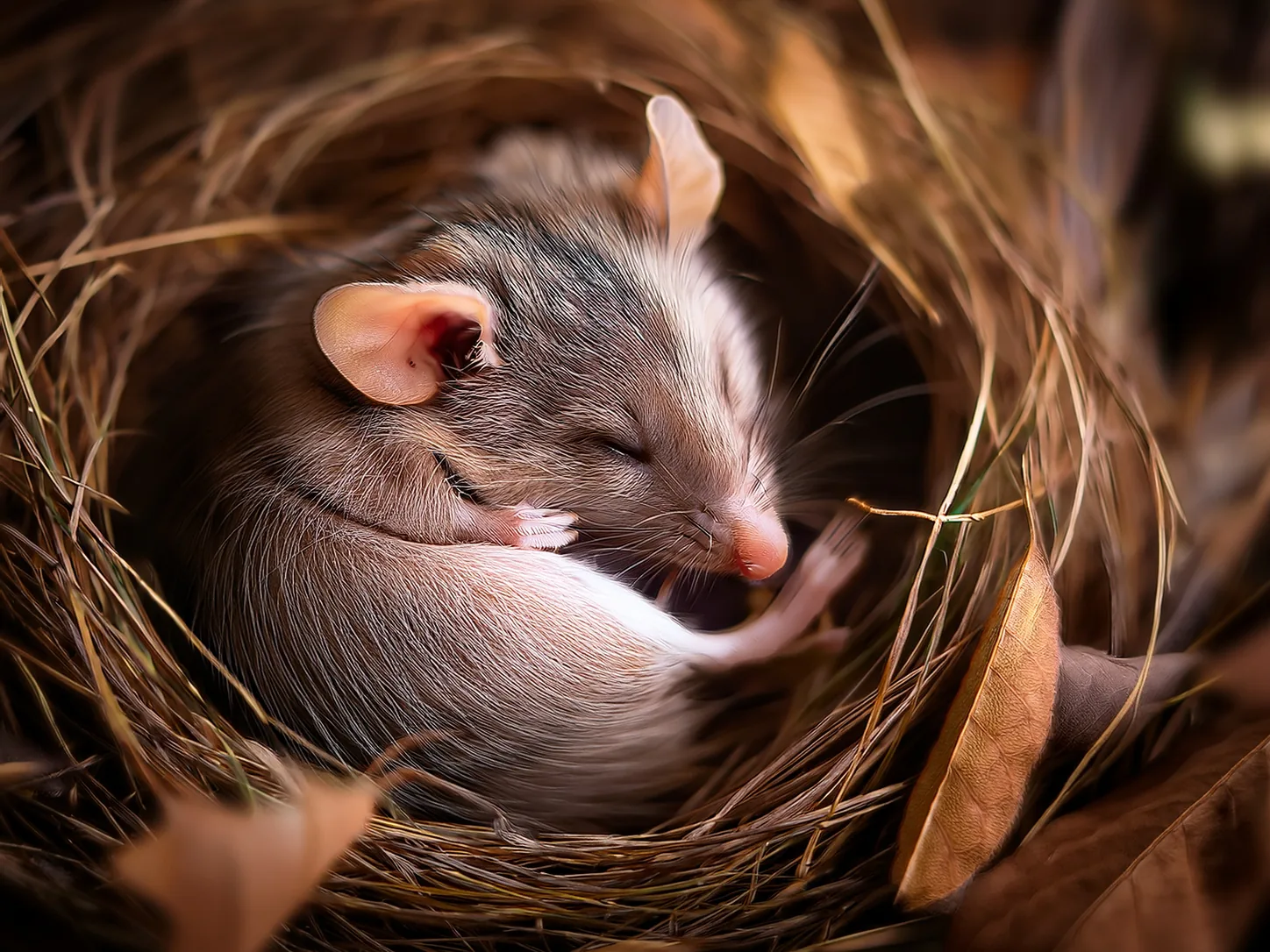
When food runs short, some animals do not migrate or tough it out; they shut down. Hibernation is a state of deep, prolonged torpor in which an animal deliberately lowers its body temperature, heart rate, breathing and metabolism, often for months. It is quite different from sleep: brain activity is very low, and a hibernating animal can take hours to rewarm and wake. The same strategy used to escape heat and drought, rather than cold, is called aestivation. Shorter versions also exist. Many small mammals and birds, including some bats and hummingbirds, enter daily torpor, cooling down for a few hours overnight to save energy.
The numbers of a shutdown
The changes can be extreme. A ground squirrel's heart, which beats a couple of hundred times a minute when active, may slow to just a handful of beats a minute in deep hibernation, and its breathing can pause for minutes at a time. Metabolic rate can fall to a few per cent of normal. Body temperature often drops close to that of the surroundings: the Arctic ground squirrel has been recorded with a body temperature just below 0°C, its blood supercooled without freezing. Before hibernating, many animals gain a great deal of fat, the fuel that will sustain them, and some species roughly double their body weight in late summer.
Bears and brief awakenings
Bears are often called hibernators, but they behave differently from small mammals. Their body temperature falls only a few degrees, while their metabolism drops by around three-quarters. A bear in its winter den may not eat, drink, urinate or defecate for months, recycling waste products into proteins, and it loses remarkably little muscle or bone. Females even give birth and nurse cubs during this time. Small hibernators, by contrast, wake up periodically, every one to three weeks, rewarming for a day or less before returning to torpor. These arousals use a large share of their winter energy, and scientists are still debating exactly why they are necessary.
Escaping heat and drought
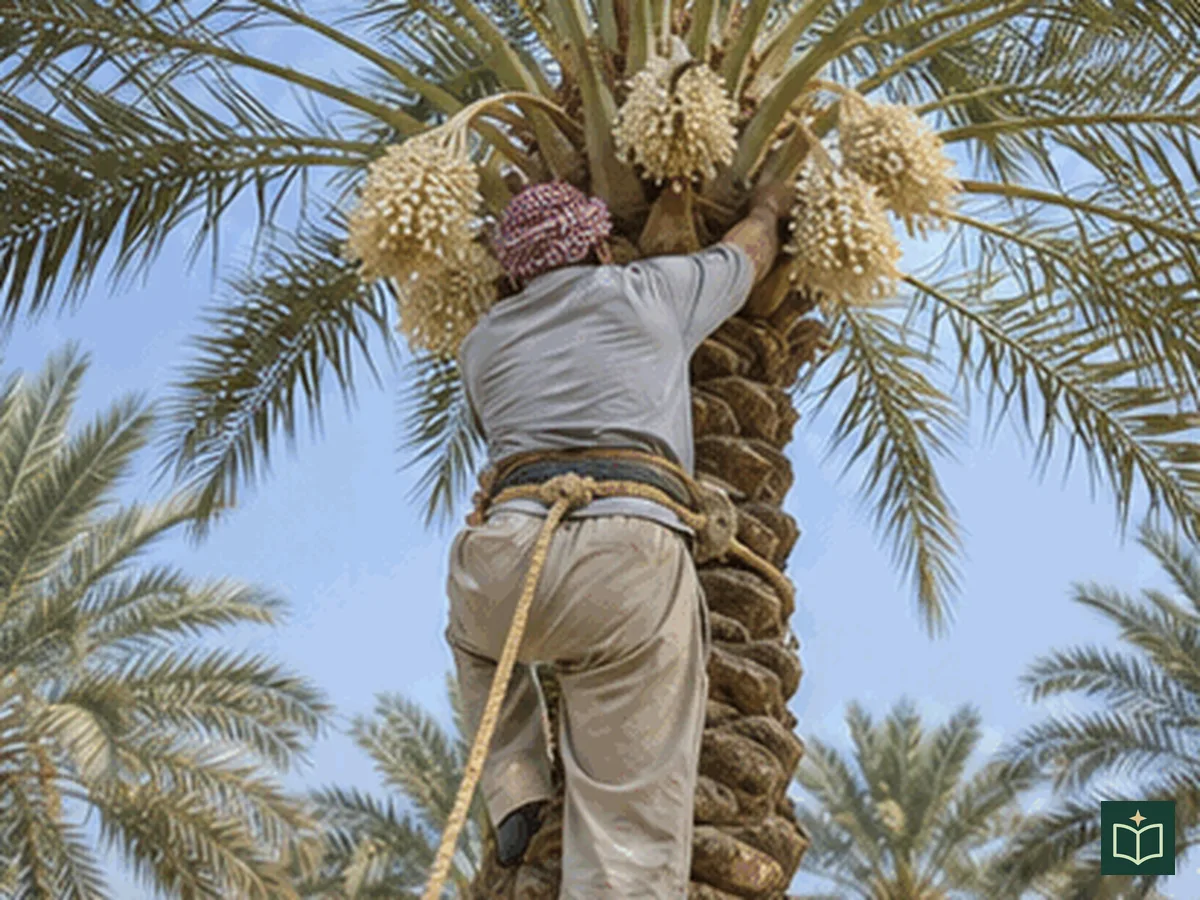
Aestivation helps animals survive hot, dry seasons. African lungfish burrow into drying mud, wrap themselves in a cocoon of mucus and can stay dormant for years until rains return, breathing air through a small opening. Desert snails seal their shells with a dried layer of mucus and can remain inactive for long periods. Spadefoot toads in North American deserts stay buried underground for most of the year, emerging after summer storms to breed in temporary pools. In Arabia, many reptiles, including the spiny-tailed lizard known locally as dhub, retreat into deep burrows during the harshest weather, where temperatures are far milder than at the surface.
Hibernation in warm places
Hibernation was long thought to be a cold-climate trick. Then, in 2004, researchers reported that the fat-tailed dwarf lemur of Madagascar hibernates for up to seven months in tree holes, the first primate known to do so, even though temperatures in its forest can be warm. It survives on fat stored in its tail. The lemur's body temperature rises and falls with the air around it, sometimes passing 30°C. The finding showed that the real trigger for hibernation is a shortage of food and water, not cold itself. The common poorwill, a North American nightjar, is the only bird known to enter a true hibernation-like state.
Lessons for medicine
Hibernators survive conditions that would harm humans: low blood flow, prolonged inactivity, and rapid rewarming that would normally damage tissues. Researchers study them to learn how to protect organs during surgery, preserve organs for transplant, prevent muscle and bone loss in bedridden patients, and treat strokes and heart attacks. Space agencies have explored whether a hibernation-like state could reduce the food, water and oxygen needed by astronauts on long journeys, such as missions to Mars. Hospitals already use controlled cooling to protect the brain after cardiac arrest in some cases. Learning to safely switch human metabolism down and up again, as hibernators do, remains a distant goal.
Sources & further reading
Figures are rounded and widely published; check the linked organisations for the latest editions. These organisations do not endorse this website.