Why wheels lock
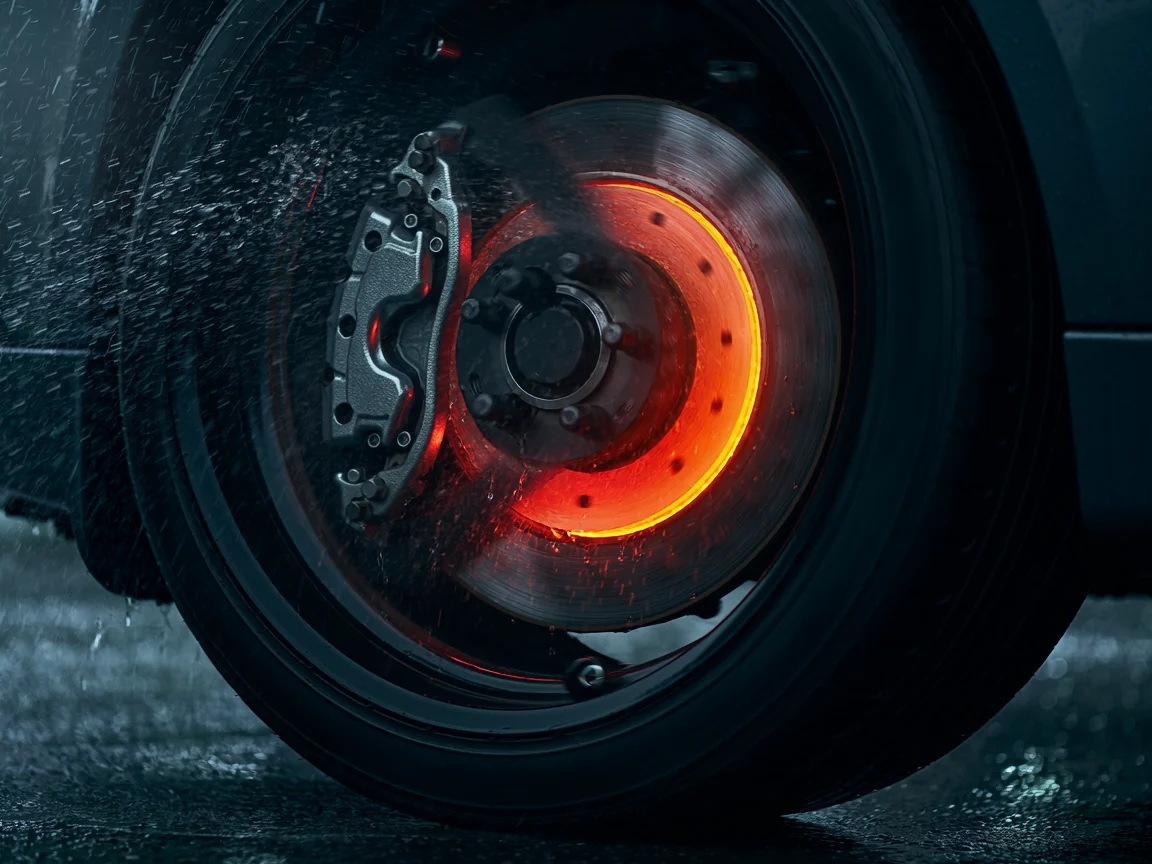
When a driver brakes hard, the brakes can stop a wheel turning faster than the car slows. The tyre then slides, and sliding rubber grips less than rolling rubber. A locked front wheel also cannot steer, so the car ploughs straight ahead.
Sensing slip
Each wheel has a speed sensor. The ABS computer compares wheel speeds with each other and with the car's deceleration. If one wheel decelerates far faster than the rest, it is about to lock.
Modulating pressure
A hydraulic unit with valves and a pump sits between the brake pedal and the brakes. It holds, releases and reapplies pressure to individual wheels in rapid cycles, keeping each tyre close to its maximum grip. The driver feels this as a buzzing or pulsing pedal.
Building on ABS
ABS hardware is the foundation of electronic stability control, which brakes individual wheels to correct skids, and traction control, which limits wheelspin when accelerating. Stability control is now mandatory on new cars in many countries.
Sources & further reading
Friction values are approximate. Photograph: original AI-generated illustration (Adobe Firefly). Reference organisations do not endorse this website.