Two special abilities
Your body contains about 200 broad types of specialised cell, from nerve cells with long wiring to red blood cells packed with haemoglobin. Most of these are finished products: a skin cell will not turn into a liver cell. Stem cells are different in two ways. First, they can divide and produce more copies of themselves, a property called self-renewal. Second, they can give rise to specialised cells, a process called differentiation. When a stem cell divides, one daughter may remain a stem cell while the other sets off down a path of specialisation. That combination lets tissues replace worn-out cells throughout life without running out of the cells that do the replacing.
Embryonic stem cells
About five days after fertilisation, a human embryo is a hollow ball of cells called a blastocyst. Inside is a cluster known as the inner cell mass, which would go on to form the entire body. Cells taken from it and grown in the laboratory are embryonic stem cells. They are pluripotent, meaning they can in principle become any cell type in the body. Scientists first established human embryonic stem cell lines in 1998. Their versatility makes them powerful for research into development and disease, but because obtaining them involves embryos, usually donated from fertility treatment, their use raises ethical questions and is regulated differently from country to country.
Adult stem cells
Many tissues keep their own stem cells for life. These adult or tissue stem cells are usually multipotent: they can make several cell types, but only those of their home tissue. Blood-forming stem cells in the bone marrow, for example, produce red cells, white cells and platelets, on the order of hundreds of billions of new blood cells every day. Stem cells in the lining of the gut replace its surface every few days, and others in the skin renew the outer layer continuously. Some organs, such as the heart and brain, have limited capacity for repair. Adult stem cells are rare, often hidden among ordinary cells, and harder to grow outside the body.
Reprogramming the clock
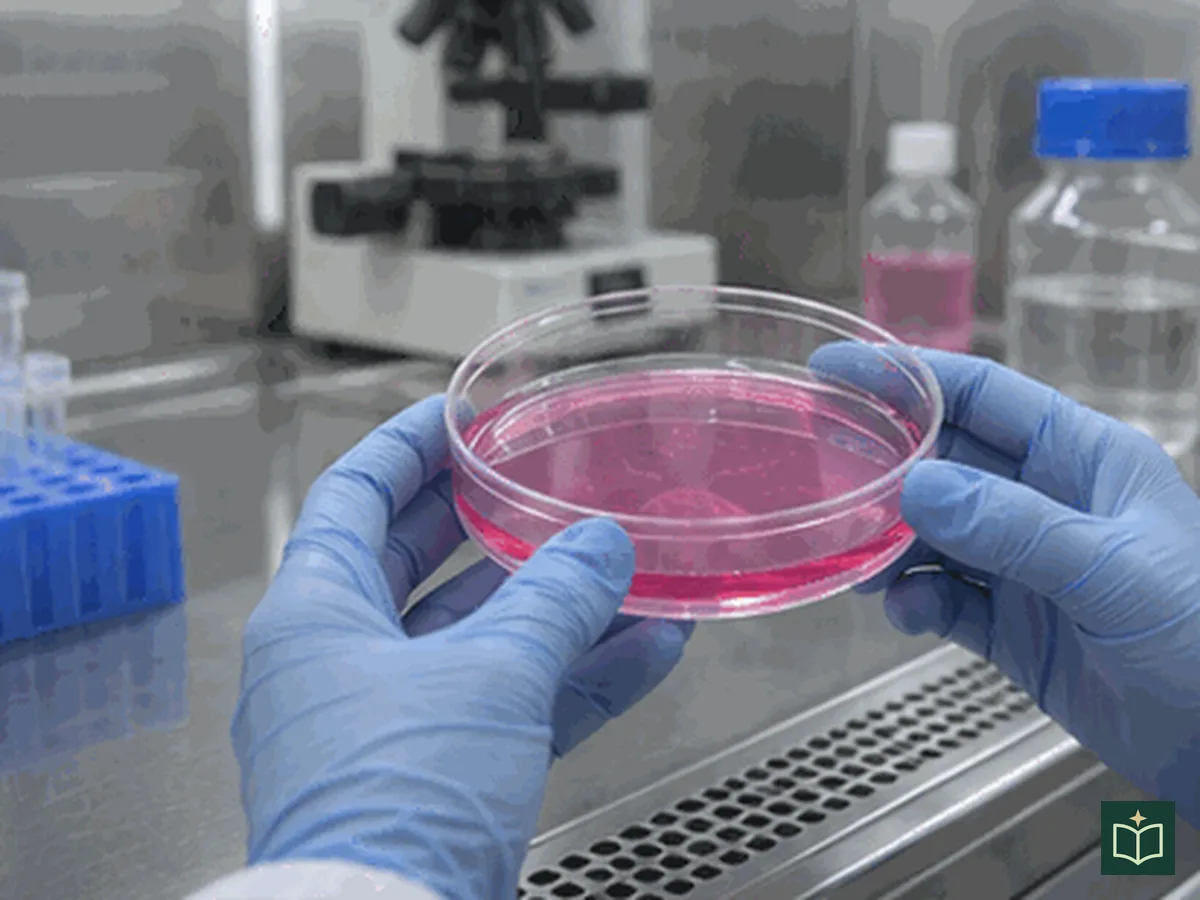
In 2006 the Japanese scientist Shinya Yamanaka showed that adding just four genes could turn ordinary mouse skin cells back into cells that behave like embryonic stem cells. His team achieved the same with human cells the following year. These induced pluripotent stem cells, or iPS cells, earned Yamanaka a share of the 2012 Nobel Prize in Physiology or Medicine. They avoid the need for embryos and can be made from a patient's own cells, which could reduce the risk of rejection. Researchers use them to grow patient-specific neurons or heart cells in dishes, to study disease and test drugs, and early clinical trials are exploring their use in conditions such as eye disease.
Already in the clinic
The best-established stem cell therapy is decades old. Bone marrow transplants, more accurately called haematopoietic stem cell transplants, have been used since the late 1950s and 1960s to treat leukaemia, lymphoma and inherited blood disorders. The patient's diseased blood system is cleared and replaced by stem cells from a matched donor, from umbilical cord blood or from the patient's own stored cells. Stem cells from the edge of the cornea are used to restore the eye's surface after some injuries, and skin grafts grown from stem cells help burn patients. Gene therapies for sickle cell disease now edit a patient's own blood stem cells before returning them to the body.
Promise and caution
Beyond these established uses, most stem cell treatments remain experimental. Getting cells to become exactly the right type, survive, connect to existing tissue and not form tumours is hard, and many trials take years. Clinics in various countries have offered unproven stem cell injections for conditions ranging from joint pain to autism, sometimes with serious harm to patients. Medical societies such as the International Society for Stem Cell Research advise checking whether a treatment is part of a regulated clinical trial or an approved therapy. Anyone considering such treatment should seek advice from a qualified doctor. The science is genuinely exciting, but its strongest results so far come from carefully tested, specific applications.
Sources & further reading
- Britannica · Stem cell ↗
- International Society for Stem Cell Research ↗
- Nobel Prize · Physiology or Medicine 2012 ↗
Figures are rounded and widely published; check the linked organisations for the latest editions. These organisations do not endorse this website.