A product that expires
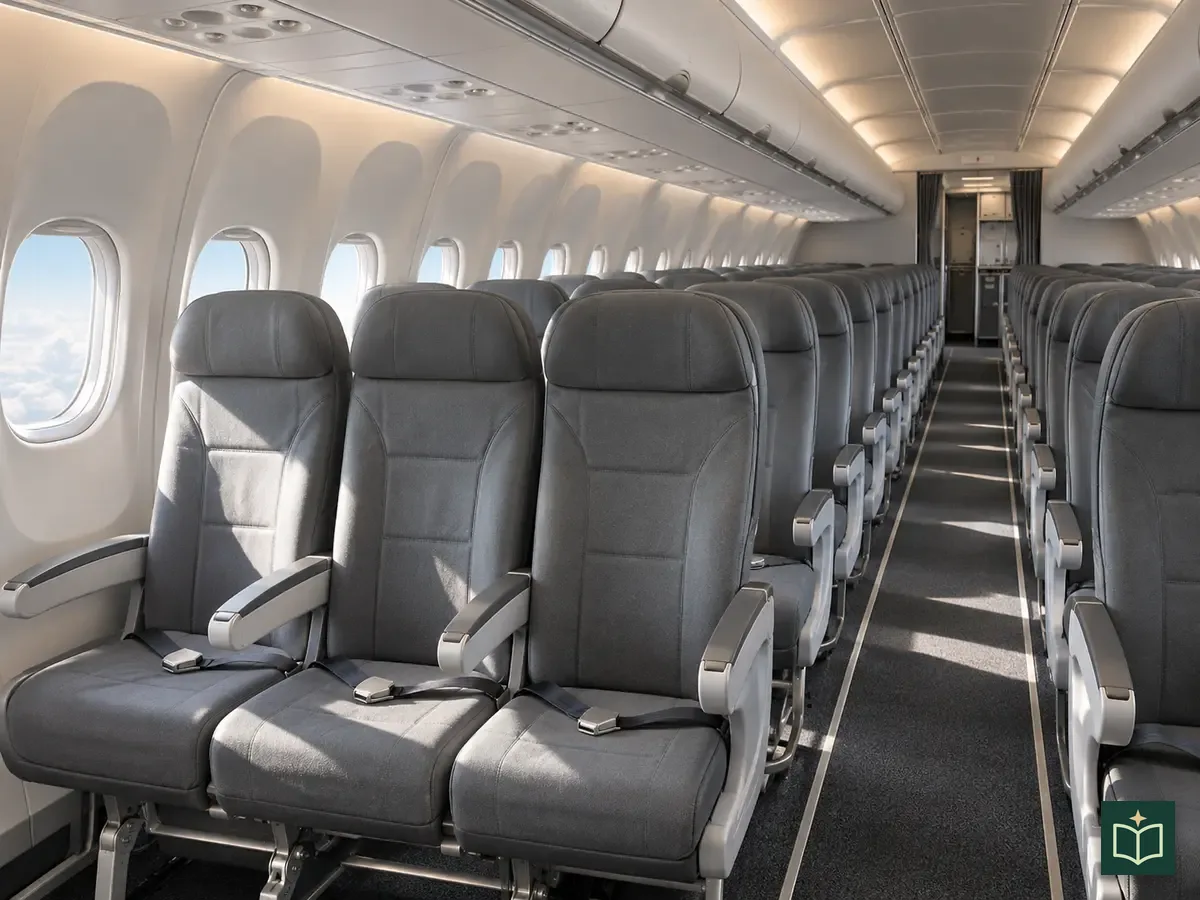
An airline seat is unusual: once the aircraft door closes, an unsold seat can never be sold again. At the same time, passengers value seats very differently. A business traveller booking two days ahead may pay a high fare for flexibility, while a family planning a holiday months in advance shops for the lowest price. Airlines respond with revenue management, also called yield management, which aims to sell each seat to the right customer at the right price. The practice developed rapidly after the United States deregulated air travel in 1978, freeing airlines to set fares, and was pioneered by large American carriers in the 1980s.
Fare classes and buckets
Within each cabin, airlines divide seats into many booking classes, often identified by single letters on your ticket, such as Y, B, M or Q in economy. Each class has its own price and rules, for example on changes, refunds and baggage. Seats are not physically assigned to classes; instead, the system decides how many seats to make available in each class at any moment. When a cheap bucket sells out or is closed, the lowest fare available jumps to the next level. That is why prices can rise suddenly as a flight fills or as departure approaches, and sometimes fall when the airline reopens a cheaper class to stimulate demand.
Forecasting behind the scenes
Revenue management systems forecast demand for each future flight using years of booking history, seasonality, holidays, events and current booking pace. For a flight from Dubai to London during school holidays, the system may expect strong late demand and protect seats for higher fares. On a quieter mid-week flight, it may keep cheaper fares open longer. Network airlines also consider connecting passengers: a seat on a short flight might be worth more if sold as part of a long-haul journey. Systems update constantly, and analysts monitor them, adjusting for unexpected events. Competitors’ fares, visible through booking systems, also influence decisions, though each airline sets its own prices.
Why airlines overbook
On many routes a proportion of booked passengers do not turn up, because of missed connections, changed plans or flexible tickets. If an airline sold exactly the number of seats on the aircraft, some would fly empty. So airlines overbook slightly, based on statistical forecasts of no-shows for that route, day and fare mix. Most of the time, the forecast is right and everyone who arrives gets a seat. When more passengers show up than seats available, airlines first ask for volunteers to take a later flight in exchange for compensation. Only if too few volunteer are passengers denied boarding involuntarily, which is relatively rare.
Your rights and common myths
Many jurisdictions protect passengers who are denied boarding. Regulations in the European Union, the United Kingdom, the United States and several other countries require compensation and care, such as meals and accommodation, under defined conditions, and some Gulf aviation authorities have introduced their own passenger rights rules. Policies differ, so it is worth checking the rules and the airline’s conditions of carriage. As for myths, clearing your browser cookies is unlikely to lower fares; prices change because buckets open and close, not because a website remembers you. There is also no universally cheapest day to book, as prices depend on demand for each specific flight.
Beyond the ticket price
Revenue management has expanded far beyond fares. Airlines now price seat selection, extra legroom, bags, lounge access and upgrades dynamically, and offer bundles with different combinations of benefits. Hotels, car rental companies, train operators, concert promoters and sports venues use similar techniques, because they too sell perishable capacity. Critics argue that complex pricing makes comparison harder for consumers, and regulators in some countries have required clearer display of total prices including fees. Newer systems use machine learning and aim to price each offer more precisely. Whatever the technology, the basic idea remains to match a limited, perishable supply to customers who value it differently.
Sources & further reading
Figures are rounded and widely published; check the linked organisations for the latest editions. These organisations do not endorse this website.