Why addresses matter
An address seems mundane until you lack one. It is how letters, parcels and bills arrive, how utilities connect a home, how ambulances find a patient and how governments count residents and register businesses. In many countries a formal address is also needed to open a bank account or register a company. The World Bank and the Universal Postal Union have noted that many people in fast-growing cities still lack a reliable address, which can exclude them from services. A good addressing system is unambiguous, so that each place has one identifier, and consistent, so that the same rules apply across a city or country.
The classic structure
Most traditional addresses follow a hierarchy: a building number on a named street, within a district, a city and a country. Numbering conventions differ. Many places put odd numbers on one side of the street and even on the other; some number by distance from a starting point; Japan historically numbered blocks rather than streets, with buildings numbered in order of construction in some areas. Postcodes add a compact, machine-friendly layer. The United Kingdom introduced postcodes from 1959, and the United States launched ZIP codes in 1963, allowing mail to be sorted automatically by region, delivery office and, in the UK case, down to a handful of addresses.
Dubai’s answer
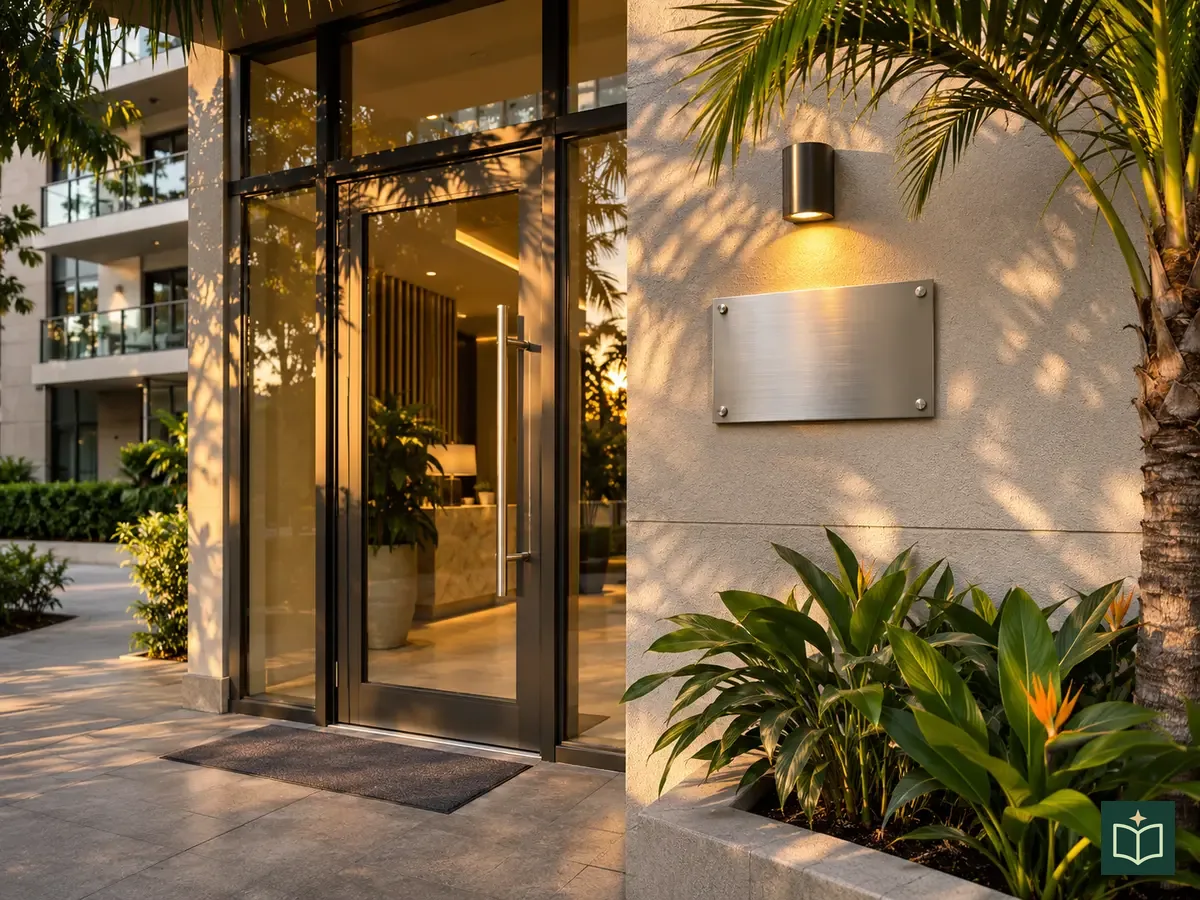
Rapidly built cities can outpace traditional addressing. In much of the UAE, people long described locations by landmarks, such as near a particular roundabout or behind a well-known mall, and post was often delivered to PO boxes rather than homes. Dubai Municipality introduced the Makani system in 2015, giving every building entrance a unique ten-digit number tied to its exact coordinates. The numbers appear on plaques at entrances and can be entered into a smartphone app to navigate there. Emirates such as Abu Dhabi have developed their own addressing schemes, and the UAE has worked on improving home delivery as online shopping has grown rapidly.
Digital location codes
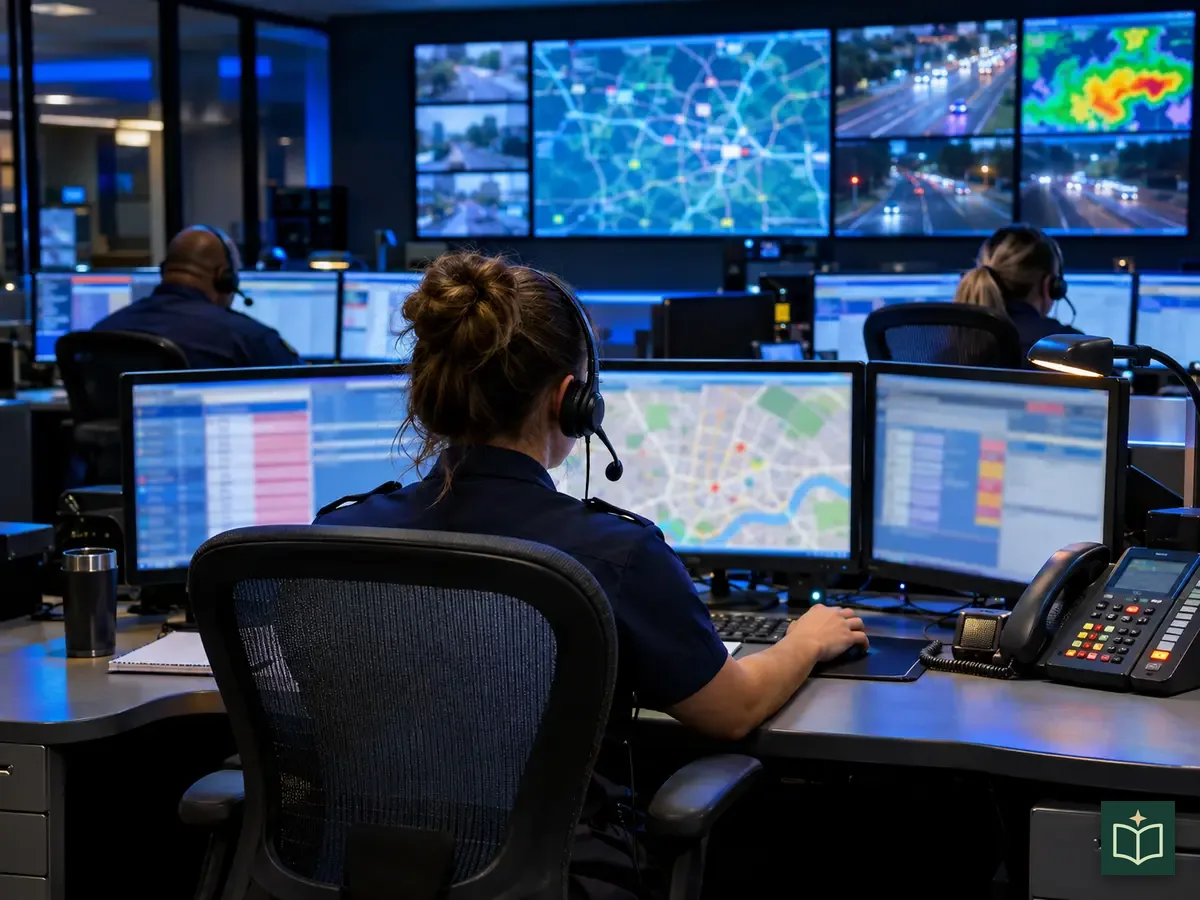
Beyond national systems, several global grid-based codes divide the world into small squares and give each a short code, some of which are freely available while others are proprietary. These can locate a spot in a field or a tent in a camp, which traditional addresses cannot. Geocoding, the process of converting an address into coordinates, sits behind every map search and delivery app. Its accuracy matters: a building entrance and a building centre can be far apart in a large complex. Emergency services increasingly receive location automatically from callers’ phones, but a well-structured address remains crucial for dispatchers, especially when a caller is giving directions on behalf of someone else.
Misconceptions and limits
A postcode is not always a neat area. UK postcodes cover around fifteen addresses on average, while US ZIP codes are designed around delivery routes and can change shape, so they are imperfect for statistics or insurance pricing. A PO box is not an address of residence, which is why official forms often ask for both. Digital codes do not replace legal property descriptions held in land registries. Different systems may also disagree: a satellite navigation app might place a pin in the wrong spot if a building’s data is outdated. Providing a precise address, with building, entrance and floor details, still makes the biggest difference to deliveries.
Why it matters
Addressing is infrastructure for an information economy. As more commerce, healthcare and government services move online, the link between a digital record and a physical door becomes more important. Delivery robots and drones will need even more precise locations, down to a specific entrance or balcony. Governments see good addressing as part of smart city planning, improving everything from waste collection routes to census accuracy. For residents and businesses in the Gulf, knowing your official building number or digital code, rather than relying only on landmarks, makes life easier for couriers, utilities and emergency responders alike, especially in newly built districts.
Sources & further reading
Figures are rounded and widely published; check the linked organisations for the latest editions. These organisations do not endorse this website.