Seeing ahead
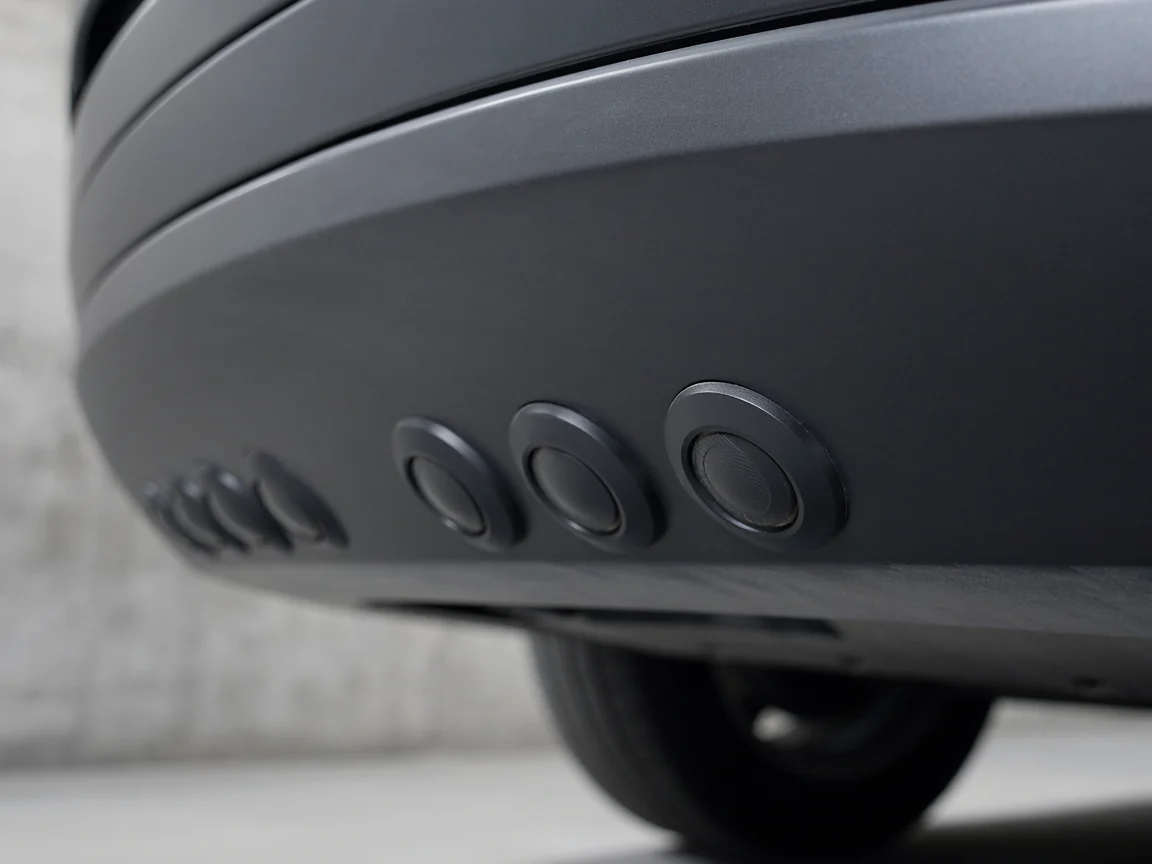
A forward-facing radar behind the grille measures the distance and closing speed of vehicles ahead, working in rain and darkness. Many cars add a windscreen camera to recognise vehicles and lane markings and decide which car is actually in the same lane.
Keeping the gap
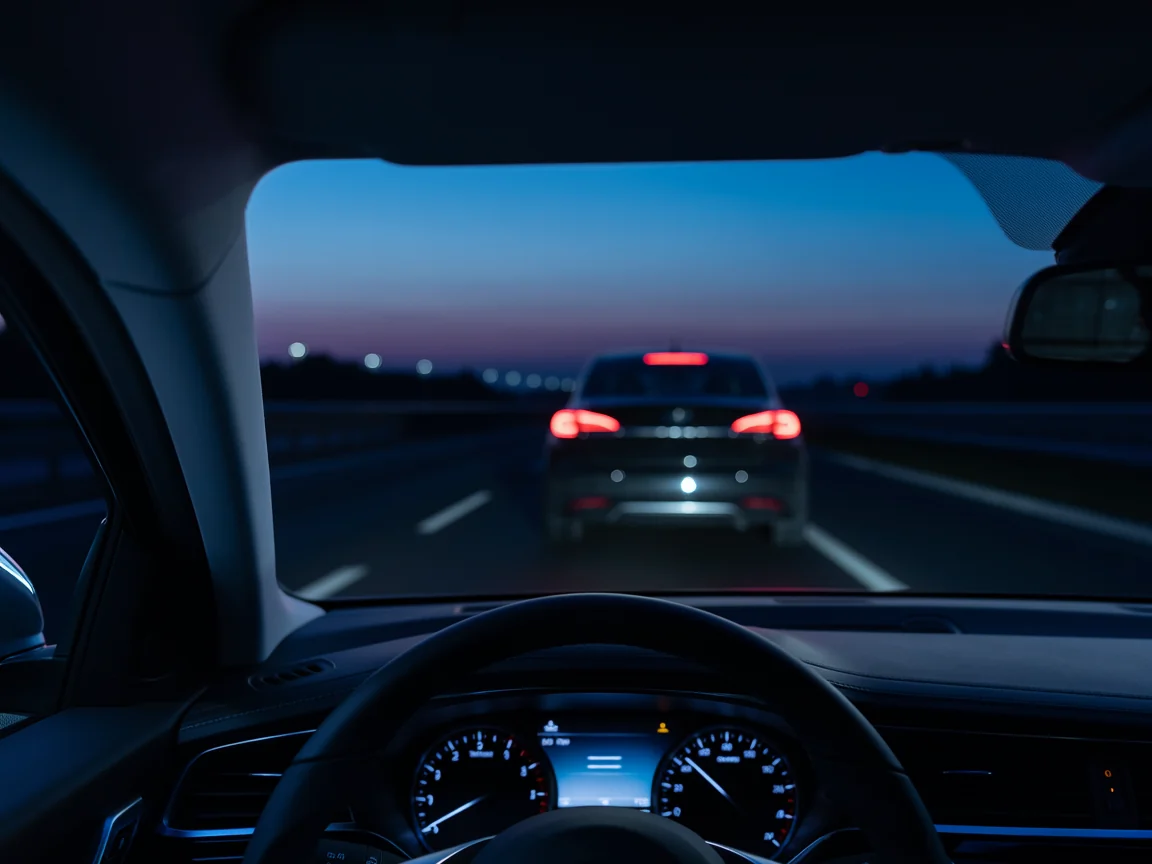
The driver sets a maximum speed and a following gap. When the lane ahead is clear, the car behaves like ordinary cruise control. When it catches up with slower traffic, the system reduces engine power and applies the brakes as needed to hold the chosen time gap.
Stop and go
Many systems work down to a standstill in traffic jams, then pull away again when traffic moves, sometimes after a tap on the accelerator or a button. Systems combined with lane-centring can steer gently as well, but they still require the driver's attention.
Limits
Radar can struggle with stationary objects, sharp bends, motorcycles at the edge of a lane or vehicles cutting in suddenly. Heavy snow or dirt on the sensors can disable the system, which is why manufacturers insist drivers stay alert.
Sources & further reading
Gap settings vary by manufacturer. Photograph: original AI-generated illustration (Adobe Firefly). Reference organisations do not endorse this website.