The long age of muscle and wood
For almost all of human history, energy came from the sun via plants: food for human and animal muscles, and wood for heat and cooking. Windmills, sailing ships and waterwheels added mechanical power, and some societies used peat or coal locally. But per-person energy use remained low, and much of it went simply to staying fed and warm. In pre-industrial Europe, forests were heavily exploited, and in parts of Britain, wood shortages encouraged coal use as early as the sixteenth and seventeenth centuries. Historians such as Vaclav Smil have shown how this organic energy economy set firm limits on population, cities and production.
Coal changes everything
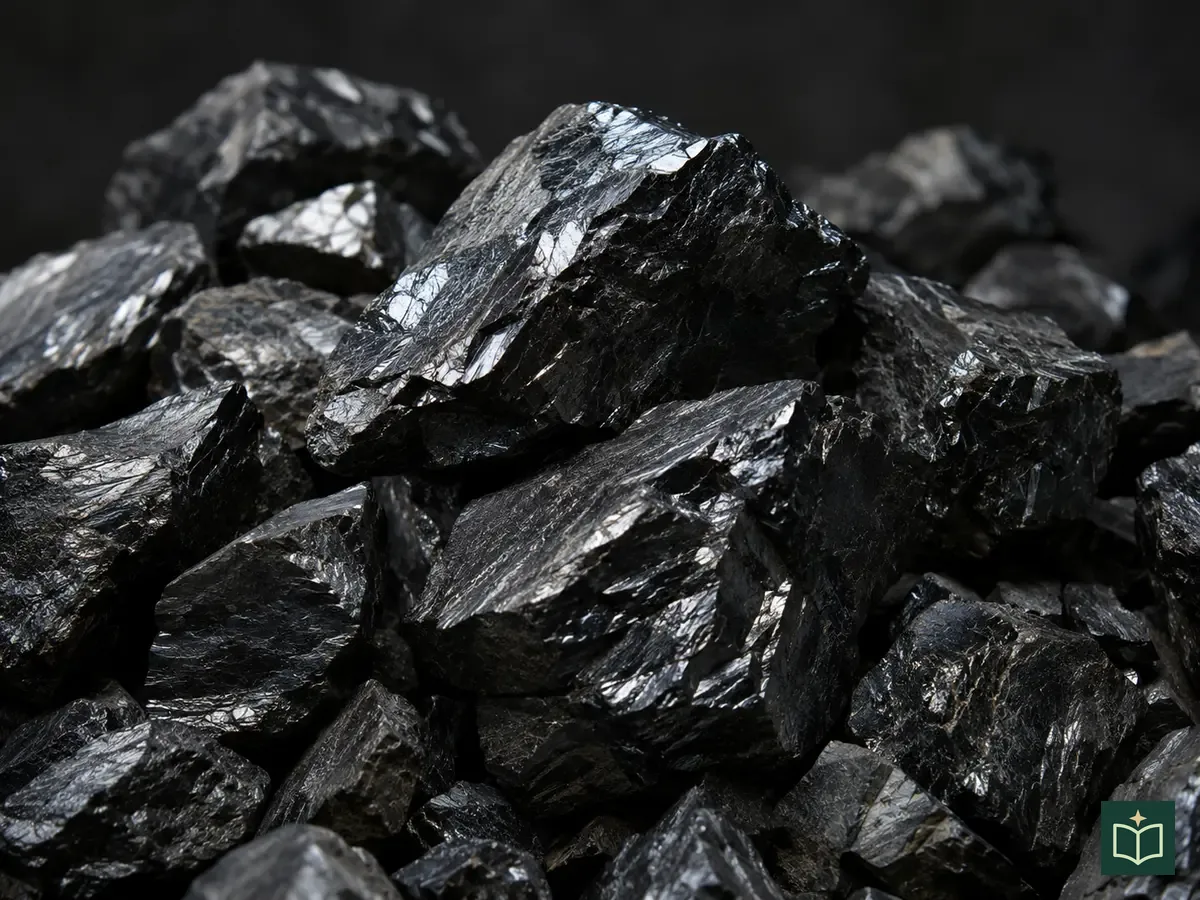
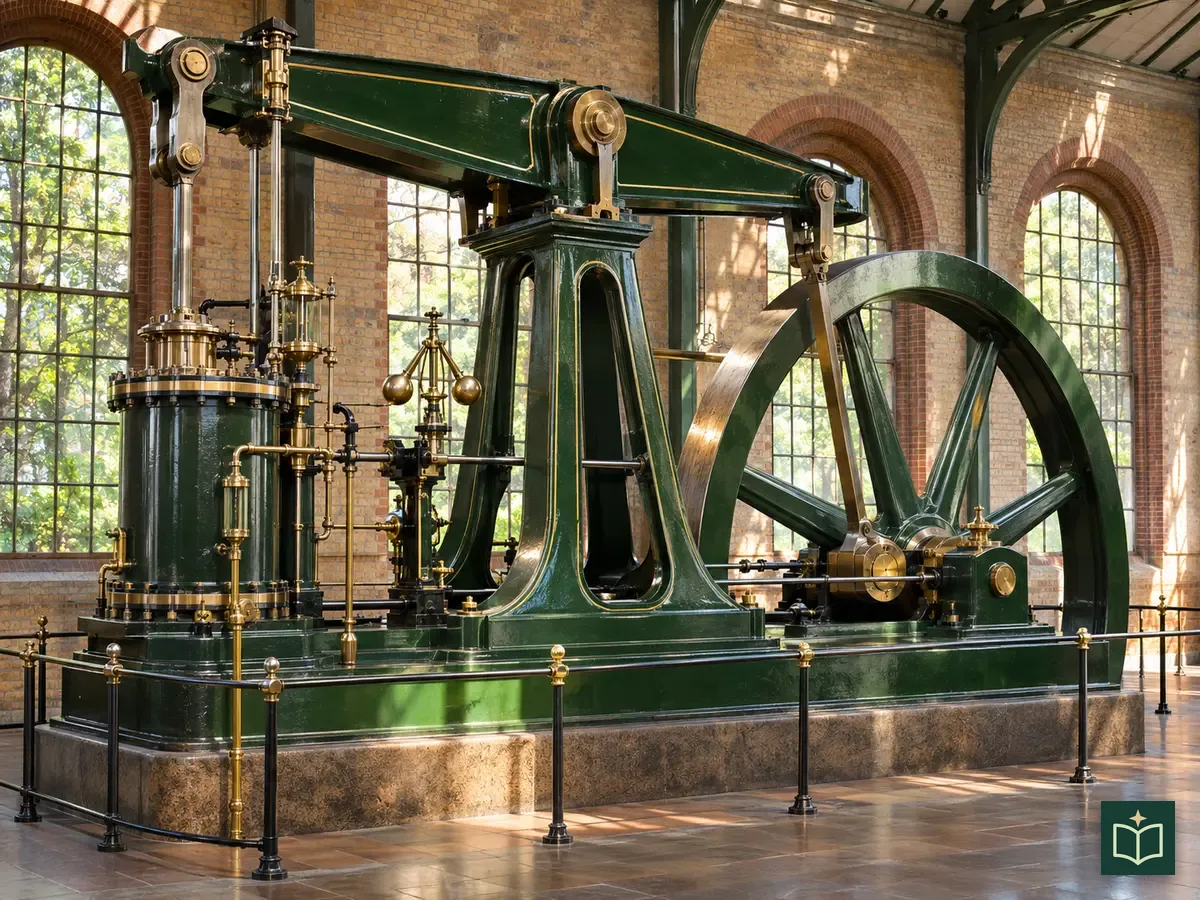
Coal had been burned for centuries, but the steam engine, improved by Thomas Newcomen and James Watt in the eighteenth century, turned it into mechanical power at scale. Coal-fired engines pumped mines, drove textile mills, powered railways and ships, and smelted iron. Britain led, followed by Western Europe and the United States. Even so, the transition was slow. Global estimates suggest coal and other fossil fuels only overtook traditional biomass around 1900, roughly a century after the steam engine became widely used. Coal remained the world’s leading fuel until the 1960s, when oil, used in cars, trucks, ships and aircraft, took first place.
Oil, gas and electricity
Commercial oil production is often dated to Edwin Drake’s well in Pennsylvania in 1859, but oil’s rise to dominance took about a century. Its advantages, high energy density and easy transport as a liquid, made it ideal for internal combustion engines. Discoveries in the Middle East, including in Saudi Arabia, Kuwait and the UAE from the 1930s to the 1960s, made the Gulf central to the global energy system. Natural gas grew alongside, especially after pipeline and liquefaction technology improved. Electricity, starting with power stations in the 1880s, became the great connector, turning coal, water, gas and later uranium, wind and sunlight into a universal energy service.
Additions, not substitutions
A key lesson is that new energy sources have mostly added to old ones rather than replacing them. Global coal use in absolute terms kept rising long after oil overtook it in share, and the world burns more wood today than in 1800, even though wood now provides a small share of total energy. Shares change faster than absolute quantities because total demand keeps growing. This is why some analysts describe history as ‘energy additions’. Others argue that today’s transition is different, because it is driven partly by policy and climate goals, and because electric technologies can directly replace fossil uses rather than simply sitting beside them.
Why transitions were slow
Several factors explain the slow pace. Energy infrastructure, mines, refineries, pipelines, power stations and vehicles, lasts for decades and represents huge investment. New fuels needed new machines and skills before they could spread. Early versions were often expensive and unreliable. Institutions, laws and habits adapted gradually. Yet some national transitions were fast: the Netherlands switched household heating to natural gas within about a decade after the discovery of the Groningen field in 1959, and France built most of its nuclear fleet within roughly fifteen years from the 1970s. Strong policy, clear economics and coordinated infrastructure can compress timelines considerably, at least within a single country.
Lessons for today
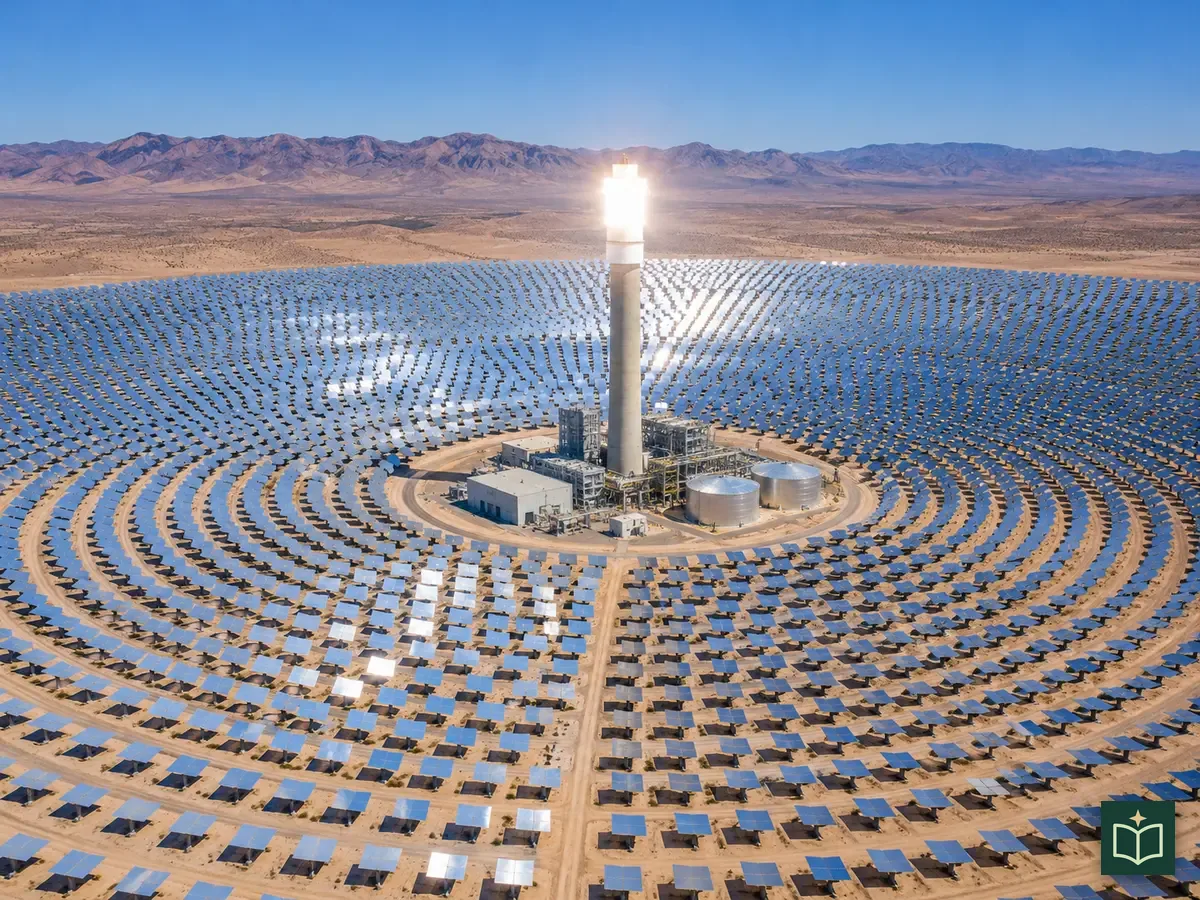
Today’s transition differs from earlier ones in important ways. It aims to replace dominant fuels within a few decades for environmental reasons, not simply to adopt something more convenient. Solar panels and batteries are modular, mass-produced products that can scale faster than large power stations, and their costs have fallen dramatically. Electrification can deliver energy services more efficiently. But history also counsels realism: heavy industry, shipping and aviation will be slower to change, and existing assets will not disappear overnight. Watching both shares and absolute quantities of each energy source gives the clearest picture of how fast this transition is really moving.
Sources & further reading
- Our World in Data (University of Oxford) · Energy production and consumption ↗
- Britannica · Energy conversion ↗
- Science Museum Group · Steam engines ↗
Figures are rounded and widely published; check the linked organisations for the latest editions. These organisations do not endorse this website.