How coal forms
Coal began as plants growing in vast swampy forests, many during the Carboniferous period around 300 to 360 million years ago, which takes its name from coal. When the plants died, they fell into waterlogged ground where low oxygen prevented full decay, forming thick layers of peat. Over time, these layers were buried by sediments. Pressure and the heat of the Earth slowly squeezed out water and volatile compounds, concentrating carbon. Geologists estimate that it can take several metres of compacted plant material to produce a single metre of coal. Coal seams range from a few centimetres to tens of metres thick, and are mined from the surface or underground.
The ranks of coal
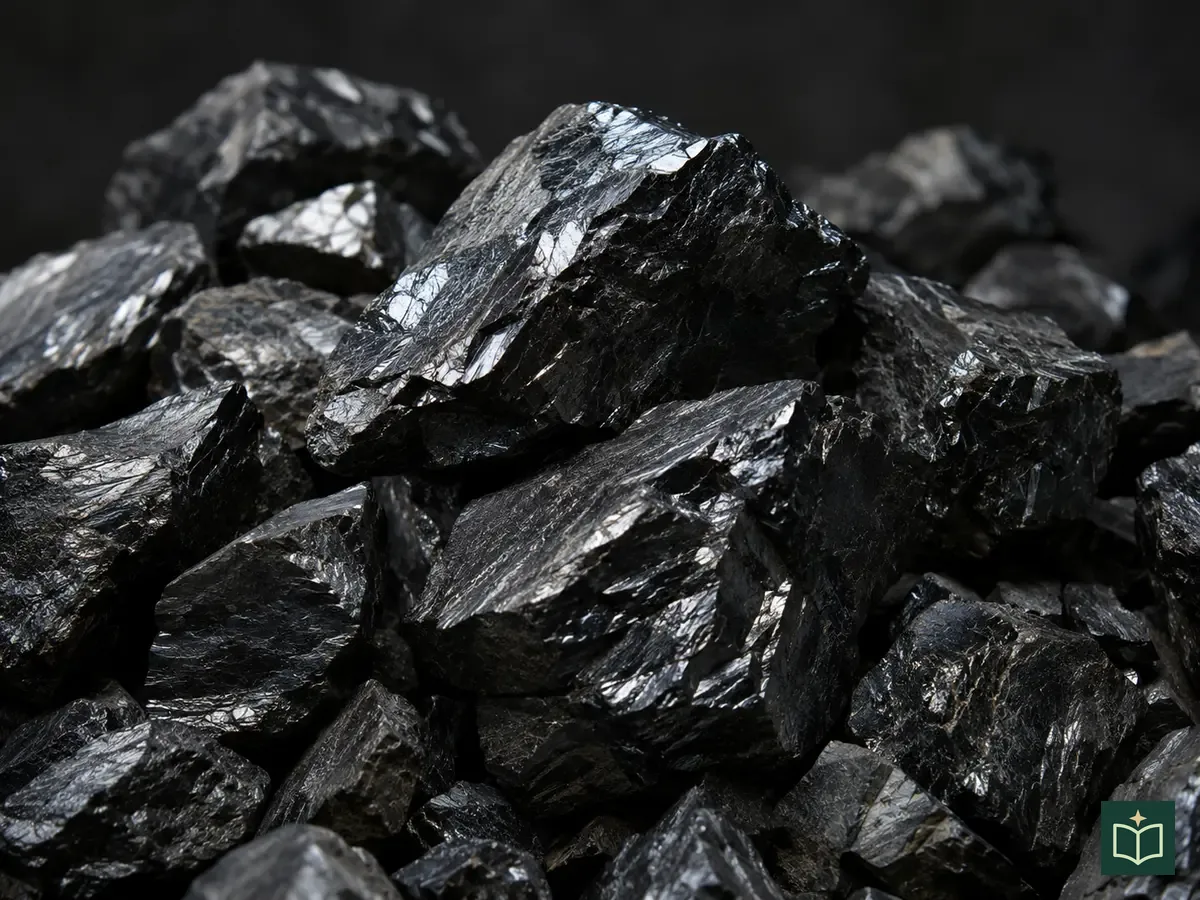
Coal is classified by rank, reflecting how far it has been transformed. Lignite, or brown coal, is the lowest rank: soft, moist and relatively low in energy, so it is usually burned close to where it is mined. Sub-bituminous coal is somewhat harder and more energy-dense. Bituminous coal, the most widely traded, has higher carbon content and energy, and some types, called coking or metallurgical coal, can be made into coke for steelmaking. Anthracite, the highest rank, is hard and shiny, contains the most carbon and burns with little smoke. Energy content ranges roughly from below 15 to above 30 megajoules per kilogram.
What coal is used for
Most coal is burned in power stations to make electricity. Ground into fine powder and blown into a boiler, it heats water into high-pressure steam that drives turbines. Coal has remained the largest single source of global electricity, at roughly a third of the total in the 2020s. The second major use is steelmaking: coke, made by baking coking coal, both fuels blast furnaces and chemically removes oxygen from iron ore. Coal also fires cement kilns and is used in chemical industries, particularly in China, which converts it to chemicals and fuels. China consumes more than half of the world’s coal.
Who produces it
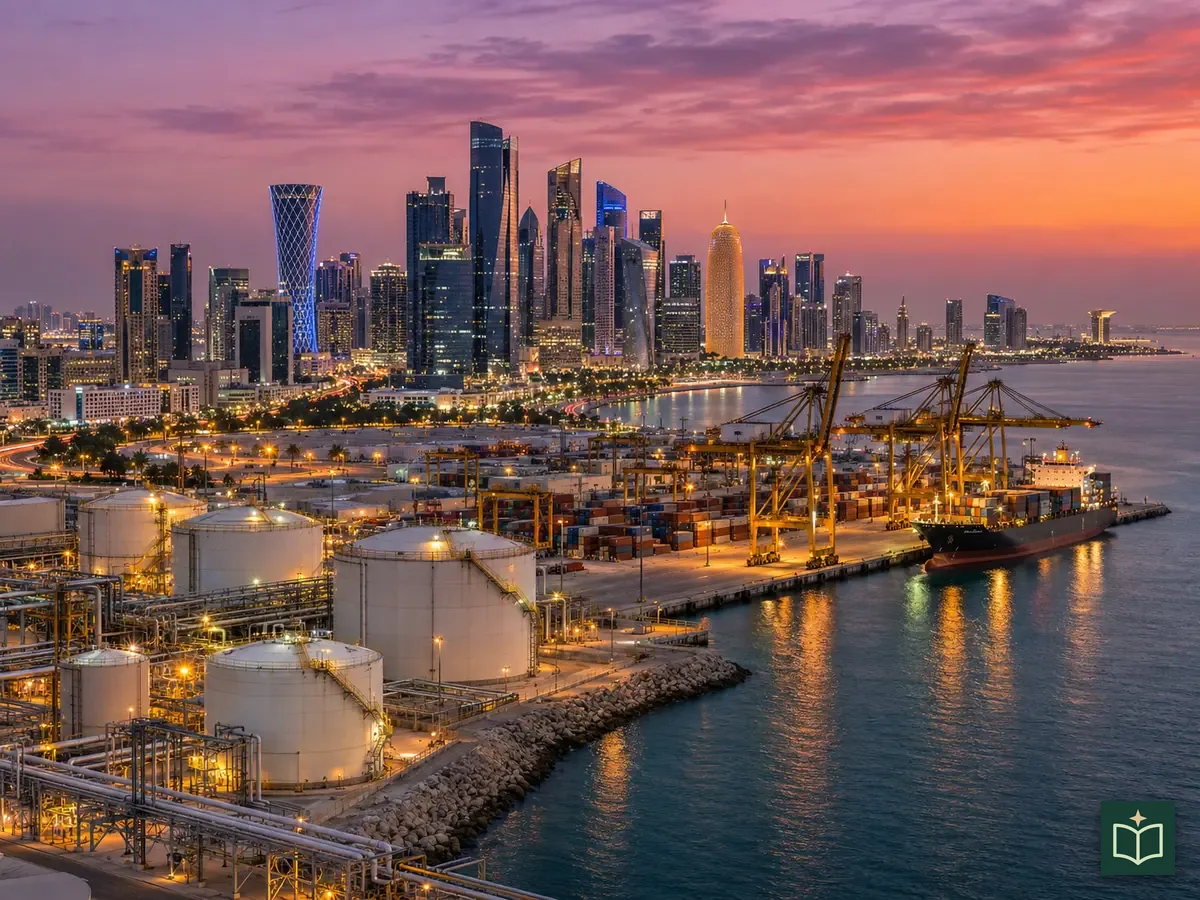
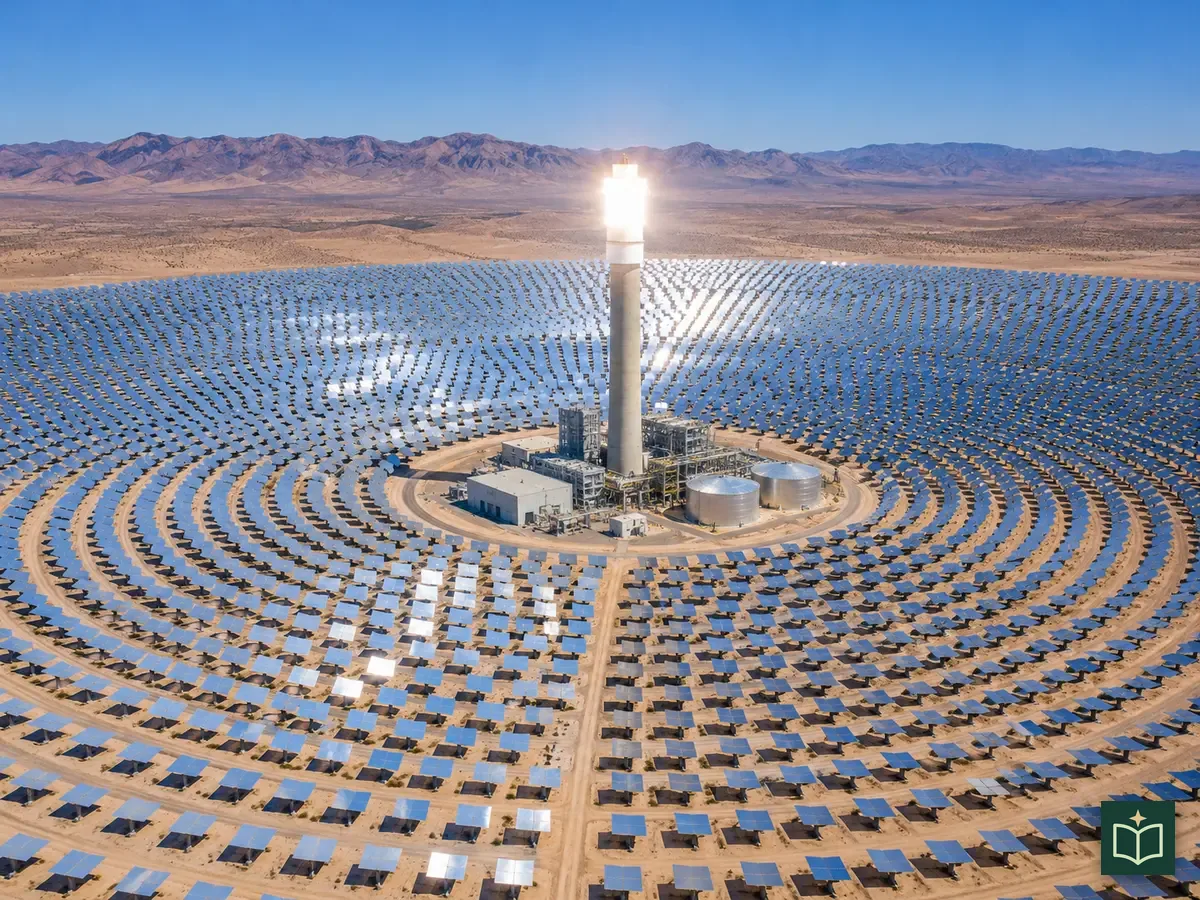
Coal resources are widespread, and the largest producers include China, India, Indonesia, the United States, Australia and Russia. China and India mine mainly for domestic use, while Indonesia and Australia are the leading exporters, selling heavily to Asian markets. The Gulf has no significant coal production, and its power systems were built mainly on natural gas and, more recently, on solar and nuclear. Some Gulf-linked projects have nonetheless used coal: the Hassyan power plant in Dubai was originally designed to burn clean-coal technology but was converted to run on natural gas, reflecting the UAE’s emissions and diversification goals and the falling cost of alternatives.
The environmental costs
Coal is the most carbon-intensive major fuel, emitting roughly twice as much carbon dioxide per unit of electricity as an efficient gas plant. It is the largest single source of energy-related carbon dioxide emissions. Burning coal also releases sulphur dioxide, nitrogen oxides, fine particles and mercury, which harm health unless removed by pollution controls. Mining can cause land disturbance, water pollution and methane emissions, and underground mining has historically been dangerous. Coal ash must be stored safely. These impacts explain why many countries have pledged to phase down unabated coal power, as reflected in agreements at UN climate conferences since 2021.
What to watch
Coal use has fallen sharply in Europe and the United States, where cheap gas and renewables have displaced it, but has grown in parts of Asia to meet rising electricity demand. Global coal consumption reached record levels in the early 2020s. Its future depends largely on decisions in China, India and Southeast Asia, where many coal plants are relatively young. Watch for the pace of new coal plant approvals, retirement of older units, the growth of solar and wind in Asian grids, and steelmaking alternatives such as hydrogen-based direct reduction. Coal’s decline in share has begun, but its absolute use may change more slowly.
Sources & further reading
Figures are rounded and widely published; check the linked organisations for the latest editions. These organisations do not endorse this website.