What it measures
Energy intensity is the ratio of energy use to economic output, usually expressed as megajoules of primary energy per US dollar of GDP, adjusted for purchasing power. A lower number means an economy produces the same value with less energy. It is the main indicator used to track the efficiency target in the UN Sustainable Development Goals, which called for doubling the global rate of improvement in energy intensity by 2030. Because it combines all energy use and all economic activity into one number, energy intensity reflects many factors besides the efficiency of individual devices, which is both its strength as a summary and its weakness as a diagnostic.
The global trend
Global energy intensity has fallen steadily for decades, as economies have grown faster than energy demand. Over the 2010s it improved by roughly 1.5 to 2 per cent a year on average, according to the IEA and SDG7 tracking reports, but progress slowed in some recent years. Improvements come from better technologies, such as LED lighting, efficient motors, modern power plants and vehicles, and from structural change, as economies shift from heavy industry toward services. Measured improvements can also come from changes in how GDP is calculated or from moving energy-intensive manufacturing abroad, which lowers a country’s intensity without reducing global energy use.
Why the Gulf scores high
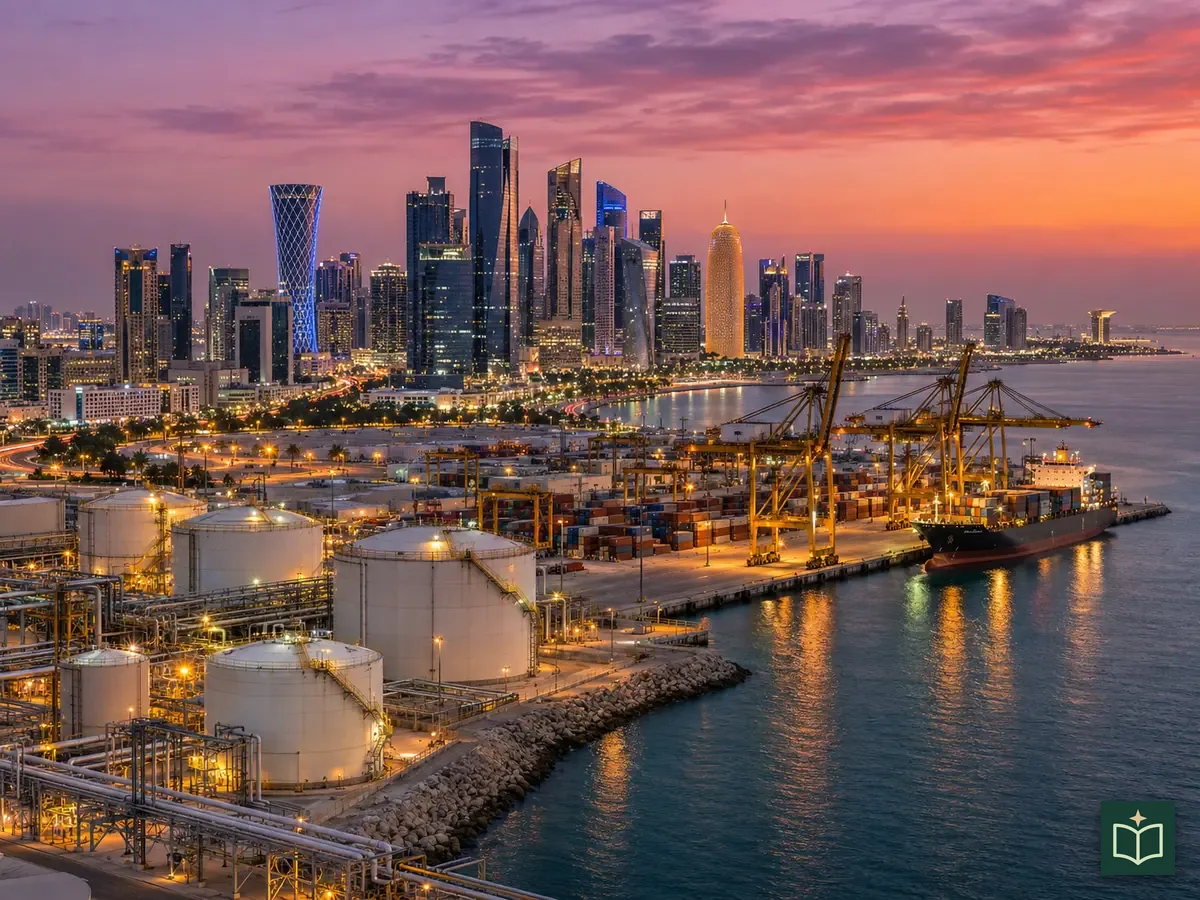
Gulf economies typically have higher energy intensity than the global average. Several structural reasons explain this. Their economies include energy-intensive industries such as oil and gas production, petrochemicals, aluminium smelting and steel, often based on cheap local gas. Hot climates require heavy air conditioning for much of the year, and desalination supplies most drinking water, both of which use large amounts of electricity. Historically low energy prices also reduced incentives for efficiency. Comparing a Gulf country directly with, say, a service-based European economy with a temperate climate therefore says more about structure and climate than about the efficiency of individual buildings or factories.
A doubling pledge
At the COP28 climate conference in Dubai in 2023, countries agreed in the final ‘UAE Consensus’ text to double the global average annual rate of energy efficiency improvements to around 4 per cent a year by 2030, alongside tripling renewable capacity. The IEA has described efficiency as the ‘first fuel’, arguing that faster efficiency gains could deliver a large share of the emissions reductions needed this decade while lowering bills. Meeting the goal requires stronger standards for appliances, vehicles and buildings, more electrification and better industrial processes. Several Gulf states have national efficiency programmes, such as Saudi Arabia’s Energy Efficiency Program and the UAE’s demand-side management strategies.
Limits of the measure
Energy intensity is a blunt instrument. A country can lower its intensity by growing financial services or tourism faster than industry, even if no factory becomes more efficient. Currency changes and the choice between market exchange rates and purchasing power parity alter comparisons significantly. Climate matters: countries with severe winters or summers need more energy for comfort. For these reasons, analysts often supplement energy intensity with sector-specific indicators, such as energy per tonne of steel, per square metre of floor space or per passenger-kilometre. These measure the efficiency of particular activities more directly and are more useful for designing policies.
What to watch
The annual rate of improvement in global energy intensity is a key number to follow, reported each year by the IEA and in the SDG7 tracking reports. Achieving the doubling pledge would require the improvement rate to roughly double from its recent average, which few years have achieved. Watch also for national efficiency standards, building codes, electrification of heating, cooling and transport, and industrial upgrades. In the Gulf, cooling efficiency, district cooling, desalination technology and energy pricing reforms will be among the most important levers. Falling energy intensity does not by itself guarantee falling emissions, but it makes every other climate measure easier and cheaper.
Sources & further reading
Figures are rounded and widely published; check the linked organisations for the latest editions. These organisations do not endorse this website.