Cholesterol needs a ride
Cholesterol is a waxy fat that every cell needs. It forms part of cell membranes and is the raw material for vitamin D, bile and hormones such as oestrogen and testosterone. The liver makes most of the body's cholesterol, and the rest comes from food. Because fat does not dissolve in blood, cholesterol must travel inside particles called lipoproteins, bundles of fat wrapped in a protein shell. Doctors talk about good and bad cholesterol, but the cholesterol molecule is identical in both. What differs is the carrier. The two most discussed are low-density lipoprotein, LDL, and high-density lipoprotein, HDL. This article is general information, not medical advice.
LDL: the delivery service
LDL particles carry cholesterol from the liver out to tissues that need it. Cells take them in through LDL receptors on their surface. Problems arise when there is more LDL in the blood than the body needs. Excess particles can slip through the inner lining of artery walls, where they become trapped and chemically altered. The immune system responds, and over years a fatty plaque builds up, narrowing the artery. This process, atherosclerosis, underlies most heart attacks and many strokes. Large studies, including genetic research, show that higher LDL over a lifetime causes more heart disease, which is why LDL is called bad cholesterol.
HDL: the recovery service
HDL particles work in the opposite direction. They collect surplus cholesterol from tissues and artery walls and carry it back to the liver, which can reuse it or remove it in bile. This is called reverse cholesterol transport. People with higher HDL levels tend, on average, to have less heart disease, which earned HDL the label good cholesterol. The story is more complicated than the nickname. Drugs designed purely to raise HDL failed to reduce heart attacks in large trials, and very high HDL levels are not always protective. HDL appears to be a useful marker of health rather than a simple dial that can be turned up.
Reading a cholesterol test
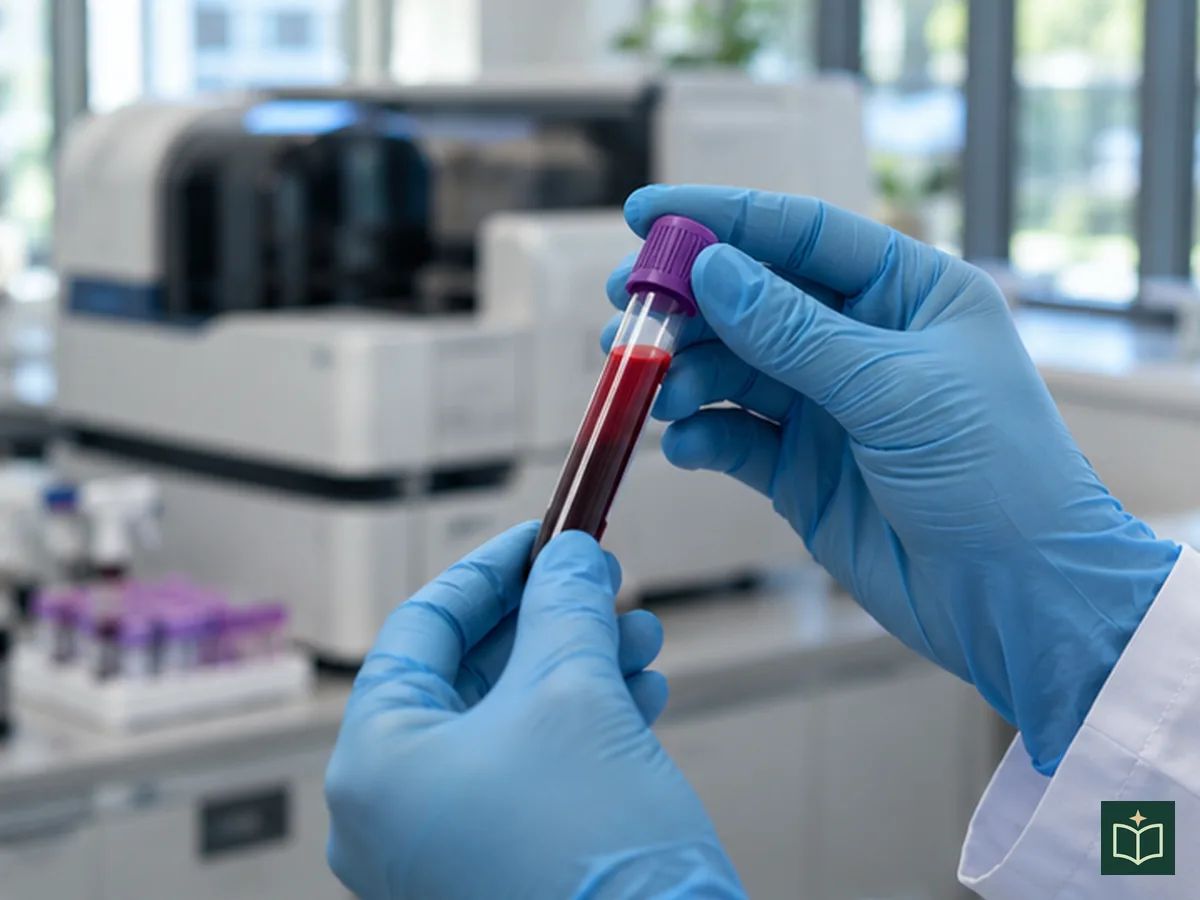
A standard blood test, called a lipid profile, reports total cholesterol, LDL, HDL and triglycerides, another type of fat. In the UAE and much of the world results are given in millimoles per litre; in the United States, milligrams per decilitre. As a broad guide, many health services suggest LDL below about 3 mmol/L, around 116 mg/dL, for healthy adults, and lower targets for people at higher risk. HDL above about 1.0 mmol/L in men and 1.2 mmol/L in women is generally considered desirable. Targets depend on overall risk, including age, blood pressure, diabetes and smoking, so results should always be interpreted by a doctor.
What moves the numbers
Diet, activity and genes all play a part. Diets high in saturated fat, found in fatty meat, butter and many processed foods, tend to raise LDL, while replacing them with unsaturated fats from olive oil, nuts and fish tends to lower it. Soluble fibre from oats and pulses helps a little. Regular exercise and stopping smoking can modestly raise HDL. Genes can override lifestyle: familial hypercholesterolaemia, an inherited condition affecting roughly 1 in 250 people, causes very high LDL from birth. The discovery of the LDL receptor, which explained this condition, won Michael Brown and Joseph Goldstein the Nobel Prize in Physiology or Medicine in 1985.
Why the distinction matters
Understanding the two carriers explains why doctors focus on lowering LDL rather than just total cholesterol. Two people with the same total figure can have very different risks, depending on how it splits between LDL and HDL. Medicines such as statins work mainly by lowering LDL, and decades of trials show that bringing LDL down reduces heart attacks and strokes. Heart disease is a leading cause of death in the Gulf as elsewhere, and high cholesterol often causes no symptoms, so regular screening matters. The simplest summary is that cholesterol itself is essential; trouble starts when too much is left circulating on its way into artery walls.
Sources & further reading
- World Health Organization · Cardiovascular diseases ↗
- NHS · High cholesterol ↗
- US CDC · About cholesterol ↗
Figures are rounded and widely published; check the linked organisations for the latest editions. These organisations do not endorse this website.