What makes a rush
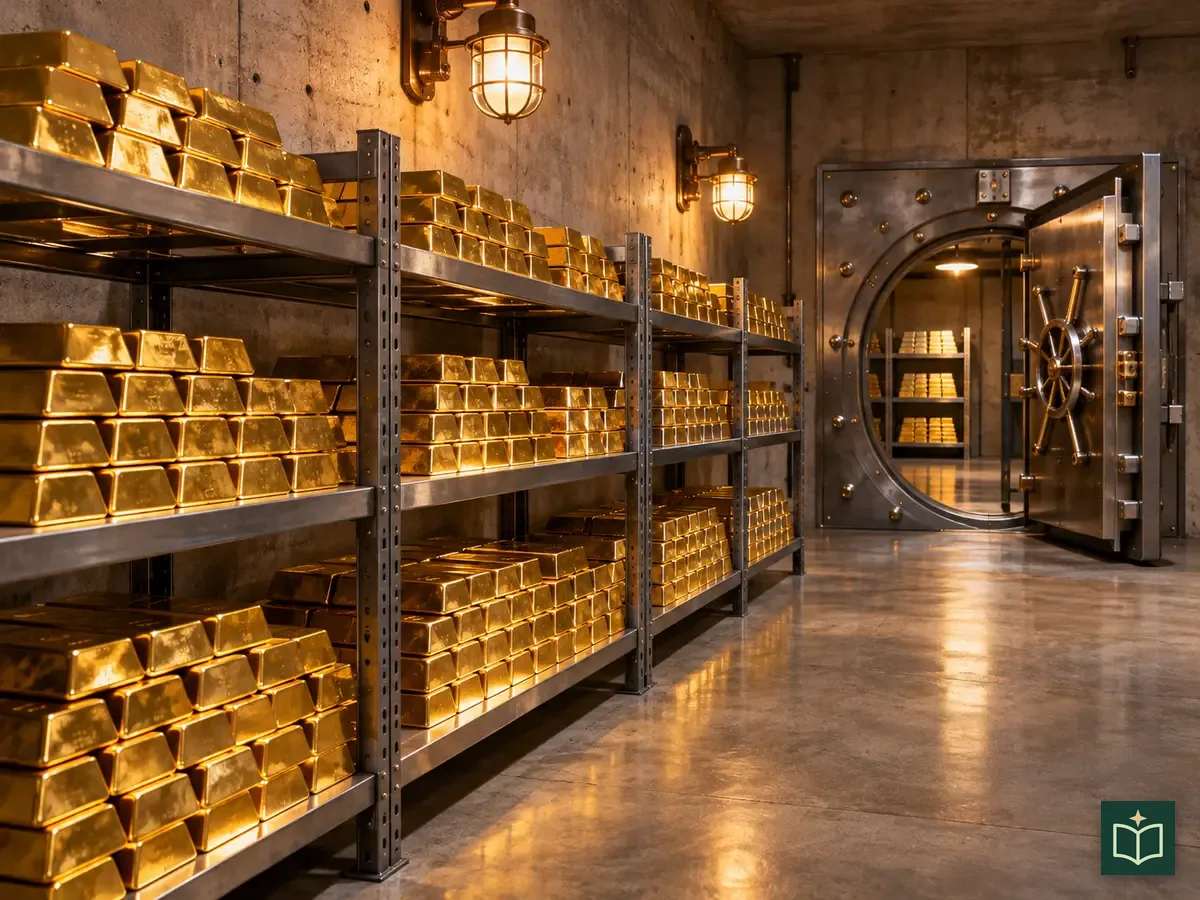
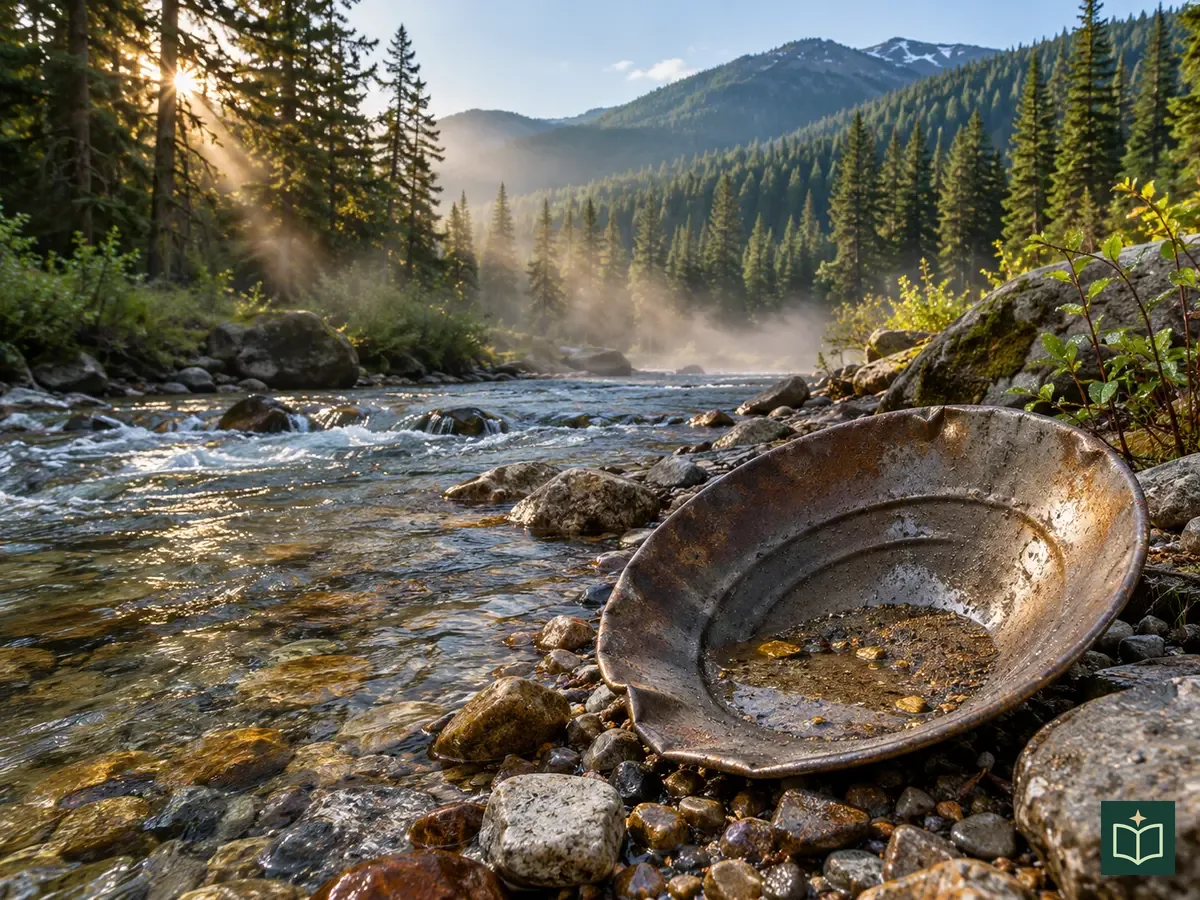
A gold rush needs gold that ordinary people can reach. Placer deposits, where grains and nuggets have been eroded from rock and concentrated in river gravels, are ideal: with a pan, a shovel and patience, anyone might find something. When news of such a deposit spreads, the cost of trying looks small and the possible reward enormous. That combination produced some of the fastest migrations in modern history. Within months, remote valleys filled with tents, then wooden buildings, shops, saloons and banks. Most rushes followed a similar arc: a dramatic find, a frantic boom while surface gold lasted, and then consolidation as companies took over deeper, harder work.
California, 1848
In January 1848, James Marshall noticed flakes of gold in the channel of a sawmill he was building on the American River in northern California. Within a year, the news had travelled around the world, and the arrivals of 1849 gave the participants their nickname, the forty-niners. Roughly 300,000 people came to California by sea and overland in the following years. San Francisco grew from a small settlement into a major port, and California became a US state in 1850. The rush also brought catastrophe for Native Californians, whose population fell sharply through violence, disease and displacement, a part of the story that historians now treat as central rather than incidental.
Australia and South Africa
In 1851, gold discoveries in New South Wales and Victoria began Australia’s rushes. Melbourne grew rapidly into one of the wealthiest cities of its era, and immigration transformed the colonies’ population. Tensions over mining licences led to the Eureka Stockade rebellion at Ballarat in 1854, an event often linked to the growth of democratic rights in Australia. South Africa’s story was different. The Witwatersrand gold found in 1886 lay in thin reefs that ran deep underground, so it could not be worked by individuals with pans. It required capital, machinery and large workforces. The goldfield went on to produce a remarkably large share of all the gold ever mined, and Johannesburg grew around it.
The Klondike, 1896
The last of the classic rushes began in 1896, when gold was found on a tributary of the Klondike River in Canada’s Yukon. News reached the outside world in 1897, during an economic downturn, and tens of thousands set off. The journey was brutal: many crossed steep mountain passes carrying supplies, because Canadian authorities required each prospector to bring roughly a year’s worth of food. Far fewer reached Dawson City than set out, and by the time most arrived, the richest claims had already been staked. Within a few years the rush faded, but it opened up the region, left a lasting cultural legend and shaped the economy of the far north for decades.
Who actually got rich
Rushes produced some spectacular fortunes, yet most prospectors earned little, and many lost everything they brought. The more reliable profits often went to those who supplied the miners: merchants selling tools and food, transport operators, bankers and landowners. Prices in boom towns could be extraordinary, because demand arrived far faster than supply. Over time, mining shifted to companies able to fund hydraulic jets, dredges, deep shafts and processing plants. Hydraulic mining in California washed away entire hillsides and choked rivers with sediment until a court ruling in 1884 restricted it. The pattern of quick individual gains followed by industrial consolidation has repeated in many later rushes.
Why the rushes still matter
The gold rushes helped knit together a global economy. New gold supplies increased the money supply in countries on gold-based monetary systems and financed railways, ports and telegraph lines. They drove large-scale migration from China, Europe and elsewhere, creating diverse communities and, often, discriminatory laws against newcomers. They also displaced Indigenous peoples and scarred landscapes in ways still visible today. Smaller rushes continue in parts of Africa, South America and Asia, where artisanal miners flock to new finds, frequently using mercury and facing serious safety risks. Studying the historic rushes helps explain both the cities they left behind and the social and environmental pressures that sudden mineral wealth can still create.
Sources & further reading
Figures are rounded and widely published; check the linked organisations for the latest editions. These organisations do not endorse this website.