What doré is
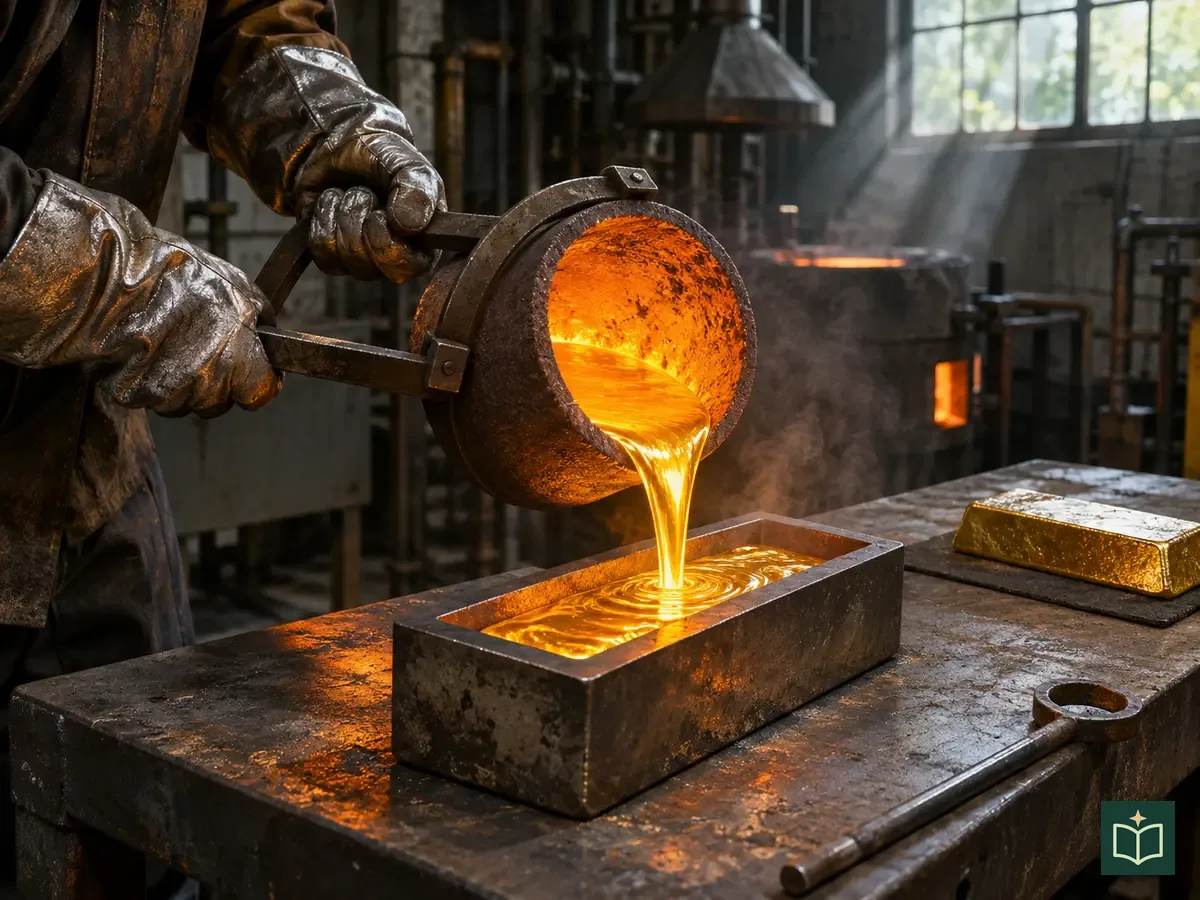
Most gold mines do not ship pure gold. They pour doré, a semi-pure alloy cast on site, which usually contains a large share of gold together with silver and smaller amounts of copper and other metals. The mix varies widely from mine to mine, and some doré is mostly silver. Doré is valuable, but it is not yet investment-grade bullion, because wholesale buyers need a known and consistently high purity. So the bars travel, insured and guarded, to specialised refineries. There they join a second large stream of feedstock: old jewellery, dental alloys, industrial scrap and recovered electronics, all of which must be brought up to the same exacting standard before they can trade freely.
The chlorine route
The Miller process, developed in the 1860s, remains a workhorse for fast, large-scale purification. Chlorine gas is bubbled through molten gold. Silver, copper, zinc and other base metals react to form chlorides, which rise to the surface as slag or escape as fumes that are captured. Gold, being far less reactive, stays behind in the crucible. The method is quick and handles large volumes, but it typically stops at around 99.5% purity, because the final traces of silver and platinum-group metals are difficult to remove this way. For many purposes, including standard large wholesale bars, that level is enough. For higher purity, refiners continue to a second, slower stage of treatment.
Electrolysis and acids
The Wohlwill process, introduced in the 1870s, uses electricity to go further. Plates of impure gold hang as anodes in a bath of hydrochloric acid and gold chloride. When current flows, gold dissolves from the anode and redeposits on the cathode in very pure form, while impurities stay in solution or settle as sludge. Purities of 99.99%, known in the trade as four nines, are routine. Because the process is slow and ties up valuable gold in the cells, many modern refineries use chemical alternatives instead, such as dissolving gold in aqua regia and precipitating it selectively. The choice balances speed, cost, safety and the particular impurities each batch contains.
A refining hub in the Gulf
The UAE has become one of the world’s significant centres for gold trading and refining, with refineries processing doré and scrap imported from many countries. Dubai’s role grew from its long history as a trading port and from a large, busy jewellery market. The Dubai Multi Commodities Centre maintains its own standards and list of approved refiners for bars traded in the emirate. Internationally, refiners can seek accreditation from bodies such as the London Bullion Market Association. Accreditation matters because a bar from an accredited refiner can be accepted by banks and vaults without being melted and tested again, which keeps trading fast, inexpensive and based on trust in the stamp.
What the stamp promises
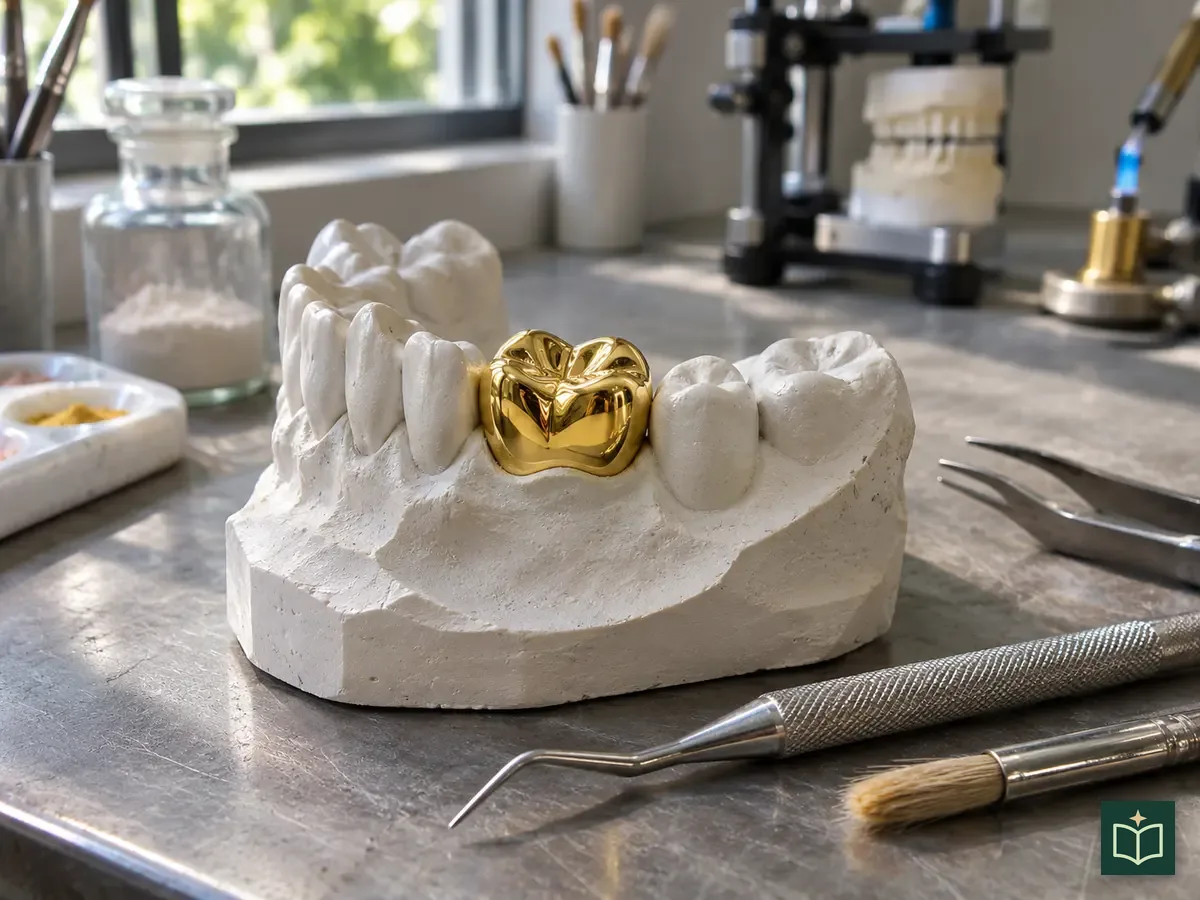
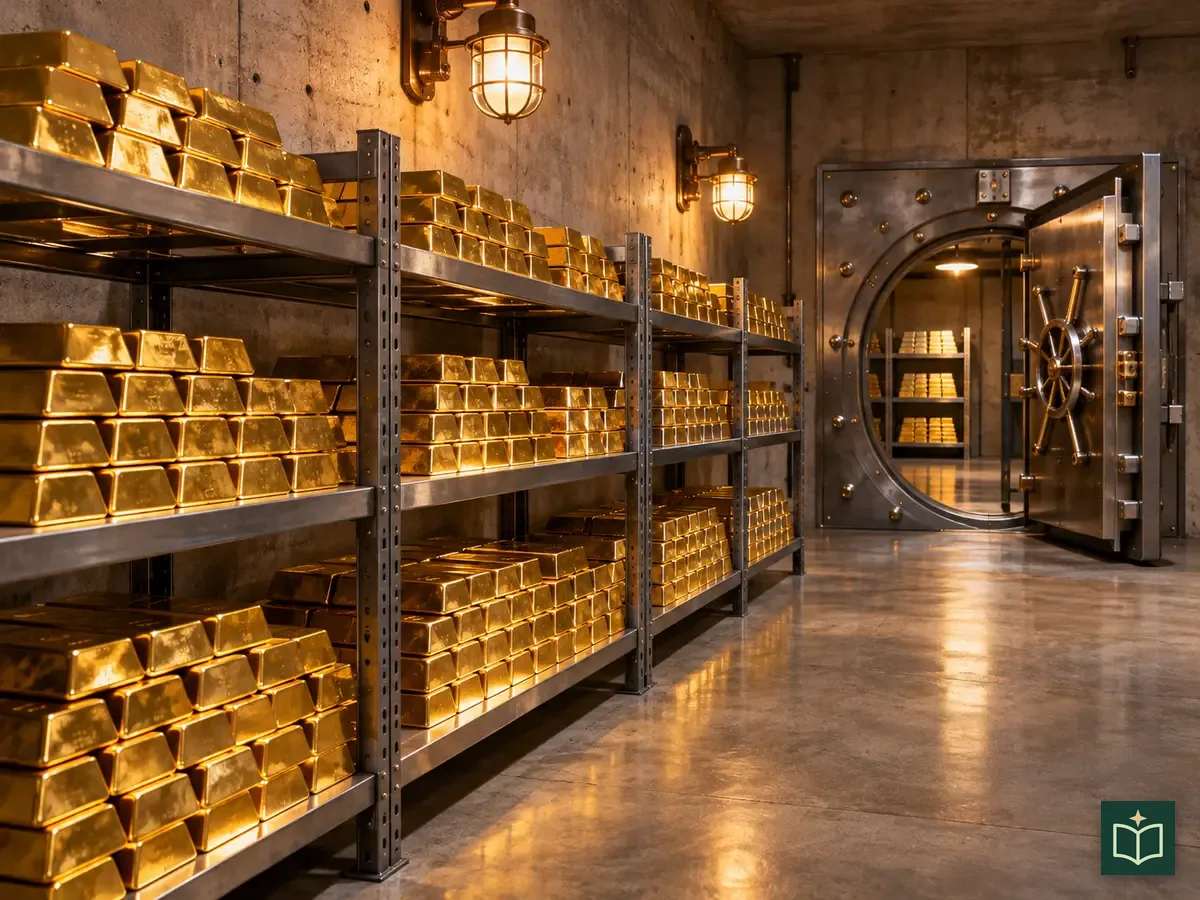
A finished bar carries marks that are a public promise: the refiner’s name or symbol, the fineness, the weight for many bar types, and a serial number that links it to production records. Before those marks are applied, samples are tested by fire assay, a centuries-old technique in which a small portion is melted with fluxes and lead to isolate the precious metal, or by modern instruments that measure trace impurities. The same refinery may produce large wholesale bars of about 400 troy ounces, kilobars that are popular in Asia and the Middle East, small minted bars and granules sold to jewellery manufacturers, who later alloy the pure gold back down to 18 or 22 carats.
Limits and responsibilities
Refining makes gold uniform, and that is also its limitation. Once doré from different mines and scrap from many sources are melted together, chemistry alone rarely reveals where each gram began. This is why responsible-sourcing rules focus on paperwork and due diligence before the furnace, rather than tests afterwards. Another common misunderstanding concerns purity itself: no commercial gold is literally 100% pure, and 24-carat jewellery or bars are generally at least 99.9% gold. Finally, refining is energy-intensive and handles hazardous chemicals, so modern plants invest heavily in fume capture and waste treatment. A clean, shining bar is the visible end of a demanding industrial process that most people never see.
Sources & further reading
Figures are rounded and widely published; check the linked organisations for the latest editions. These organisations do not endorse this website.