Electrochemistry at work
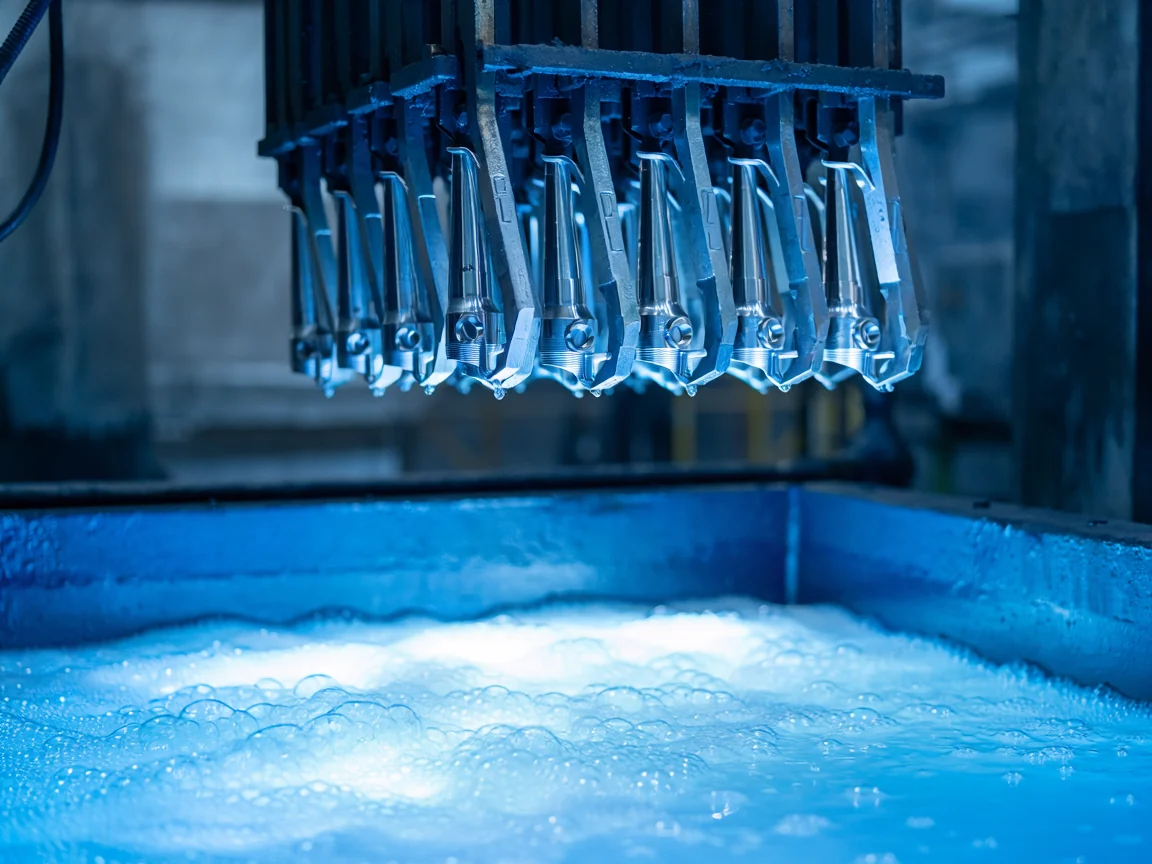
An electroplating tank contains an electrolyte holding dissolved ions of the coating metal. The object to be plated is connected as the cathode, the negative electrode. When current flows, positive metal ions move to it, gain electrons and deposit as metal. Often a bar of the same metal acts as the anode and dissolves to replace the ions.
Preparation matters
Plating only sticks to a spotlessly clean surface. Parts are degreased, pickled in acid and rinsed before entering the bath. The thickness of the deposit depends on current, time and bath chemistry, and engineers control them closely to get an even coat.
Everyday plating
Chrome taps and car trim usually consist of steel or plastic plated with copper, nickel and a thin top layer of chromium. Electronics use gold plating on connectors to prevent corrosion. Tinplate cans are steel thinly coated with tin, and silverware may be silver-plated nickel brass.
Costs and controls
Electroplating uses chemicals that can be toxic, such as cyanide in some gold and silver baths and hexavalent chromium in traditional chrome plating. Many countries strictly regulate waste water and worker exposure, and safer processes, such as trivalent chromium baths, are increasingly used.
Sources & further reading
Thickness values are typical ranges. Photograph: original AI-generated illustration (Adobe Firefly). Reference organisations do not endorse this website.