What knocking is
In a petrol engine, the piston compresses fuel and air before a spark ignites it. If the mixture ignites on its own under heat and pressure, multiple flame fronts collide, producing a metallic knocking or pinging sound. Knocking reduces efficiency and can damage pistons over time.
Measuring resistance
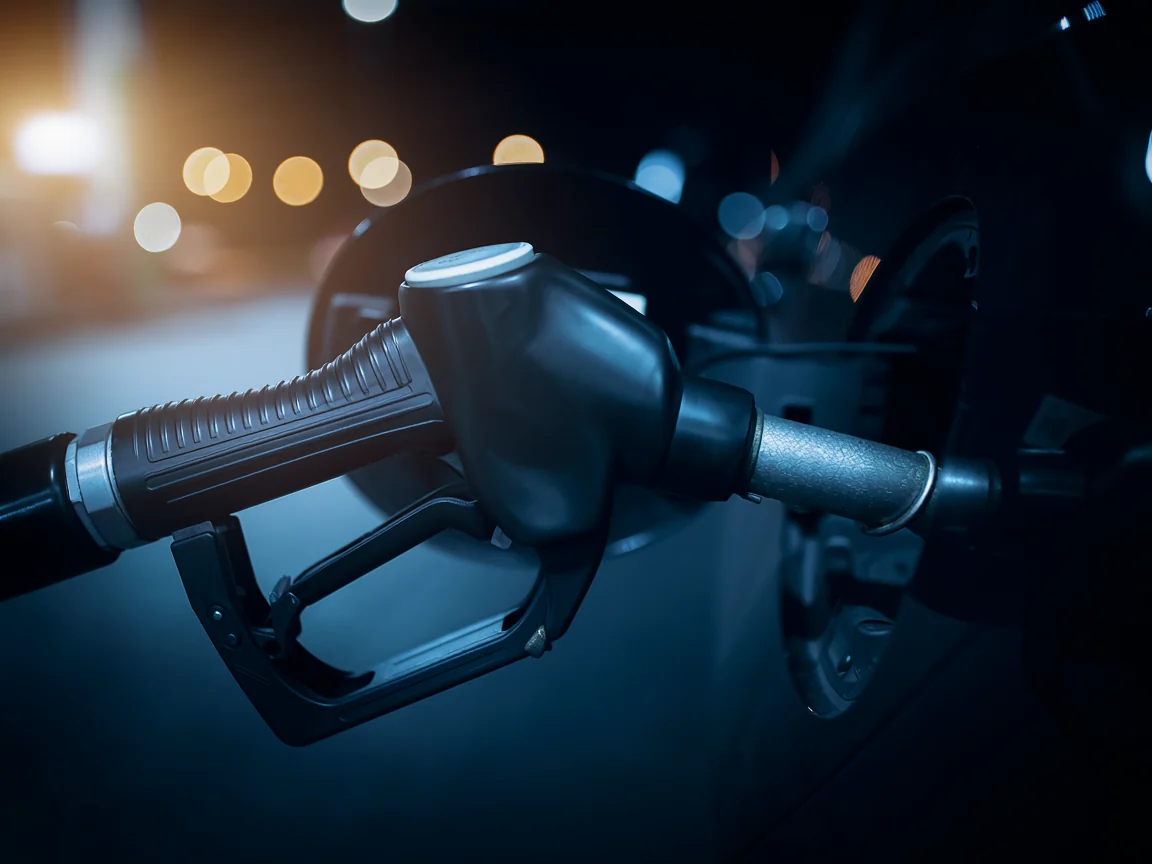
Octane numbers compare a fuel with reference blends of iso-octane, which resists knocking well, and heptane, which knocks easily. A fuel rated 95 behaves like a mixture of 95% iso-octane and 5% heptane in a standard test engine. Different test methods produce RON and MON numbers.
Why some cars need more
Engines with high compression ratios or turbochargers squeeze the mixture harder and need higher-octane fuel. Modern engines have knock sensors that retard ignition timing if they detect knocking, protecting the engine but reducing performance and efficiency when lower-octane fuel is used.
Premium is not always better
Higher-octane fuel does not contain more energy. In a car designed for regular fuel, premium brings little or no benefit. Older ways of raising octane, such as tetraethyl lead, were phased out because of health harms; today refiners use reforming, blending components and ethanol.
Sources & further reading
Grades and labelling vary by country; follow your vehicle manufacturer's guidance. Photograph: original AI-generated illustration (Adobe Firefly). Reference organisations do not endorse this website.