Primary, final and useful
Energy statistics count at several points along the chain. Primary energy is what is extracted from nature: crude oil, coal, gas, uranium, sunlight and wind. Final energy is what reaches users after refining, conversion and transmission: petrol in a tank, gas in a boiler, electricity at a socket. Useful energy is what finally does the job, such as motion or warmth. Electricity appears in this accounting only as a carrier of final energy. Measured that way, the International Energy Agency's balances show it supplying roughly a fifth of the world's final consumption. The headlines about power stations therefore describe an important part of the energy system, but by no means most of it.
Where the other four-fifths go
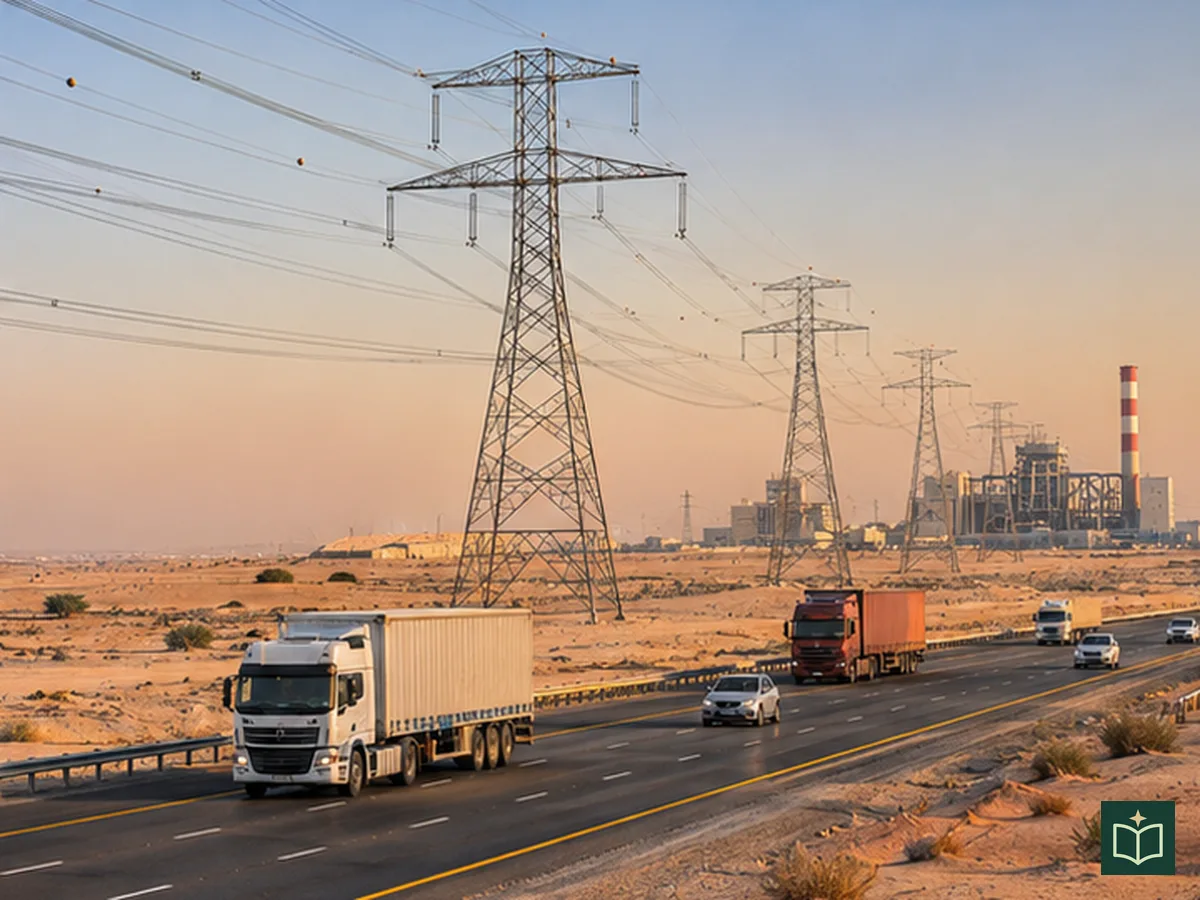
The rest is mostly burned directly. Oil products dominate transport, fuelling almost all of the world's cars, lorries, ships and aircraft. Heat is the other giant: the IEA estimates that heat for industry, buildings and cooking accounts for roughly half of global final energy, most of it supplied by gas, coal, oil and traditional biomass. Steelworks, cement kilns, chemical plants, space heating in cold countries and wood stoves in poorer ones all draw on fuels rather than wires. Electricity, by contrast, powers lighting, motors, electronics, appliances and, increasingly, cooling. In hot countries such as the UAE, air conditioning makes electricity a larger slice of household energy than the global average suggests.
Two different percentages
Two numbers are easily confused. One is electricity's share of final energy, a measure of electrification. The other is the share of electricity generated from low-carbon sources such as hydro, nuclear, wind and solar, a measure of how clean the power is. Globally, low-carbon sources produce a little under two-fifths of electricity. Multiply the two shares and the result is sobering. If electricity is 20 per cent of final energy and 40 per cent of it is low-carbon, then clean electricity supplies only about 8 per cent of everything users consume. That is why a country can report a greener grid while its overall dependence on fossil fuels barely changes.
Why electrification shrinks the total
Switching a job from fuel to electricity often cuts final energy, not just emissions. An electric car turns roughly three-quarters of the energy in its battery into motion, while a petrol engine manages perhaps a quarter. A heat pump moves several units of heat for each unit of electricity it consumes, whereas a gas boiler can never deliver more heat than the fuel contains. So as electricity's share rises, total final energy demand can level off or fall even as people travel and heat more. Analysts therefore watch the electrification share as a leading indicator of a transition, alongside the growth of renewable and nuclear generation.
What is hard to wire
Not every use is easily electrified. Long-haul aviation and deep-sea shipping need very dense fuels, and batteries remain heavy for those distances. Some industrial processes need temperatures above 1,000°C, or use carbon as a chemical ingredient, as in blast-furnace steelmaking. Fertiliser and plastics use oil and gas as feedstocks rather than fuels. For these, options include hydrogen and its derivatives made with clean electricity, sustainable fuels, or capturing carbon dioxide. Even so, many studies of deep decarbonisation expect electricity's share of final energy to roughly double over the coming decades, because the easier uses, such as cars, buildings and low-temperature heat, make up a large part of demand.
Reading energy headlines
These distinctions explain why energy figures can seem contradictory. A report that renewables supply a large share of new power capacity is about electricity alone. A statement that fossil fuels still supply about four-fifths of the world's energy is usually about primary energy, which also counts the heat lost in power stations and refineries. A claim about electrification refers to the share of final energy delivered as electricity. Each is valid within its own boundary. When comparing countries or years, it helps to ask which stage of the chain is being measured, whether it is primary, final or useful energy, and whether the figure describes electricity or the entire energy system.
Sources & further reading
Figures are rounded and widely published; check the linked organisations for the latest editions. These organisations do not endorse this website.