Heat that usually escapes
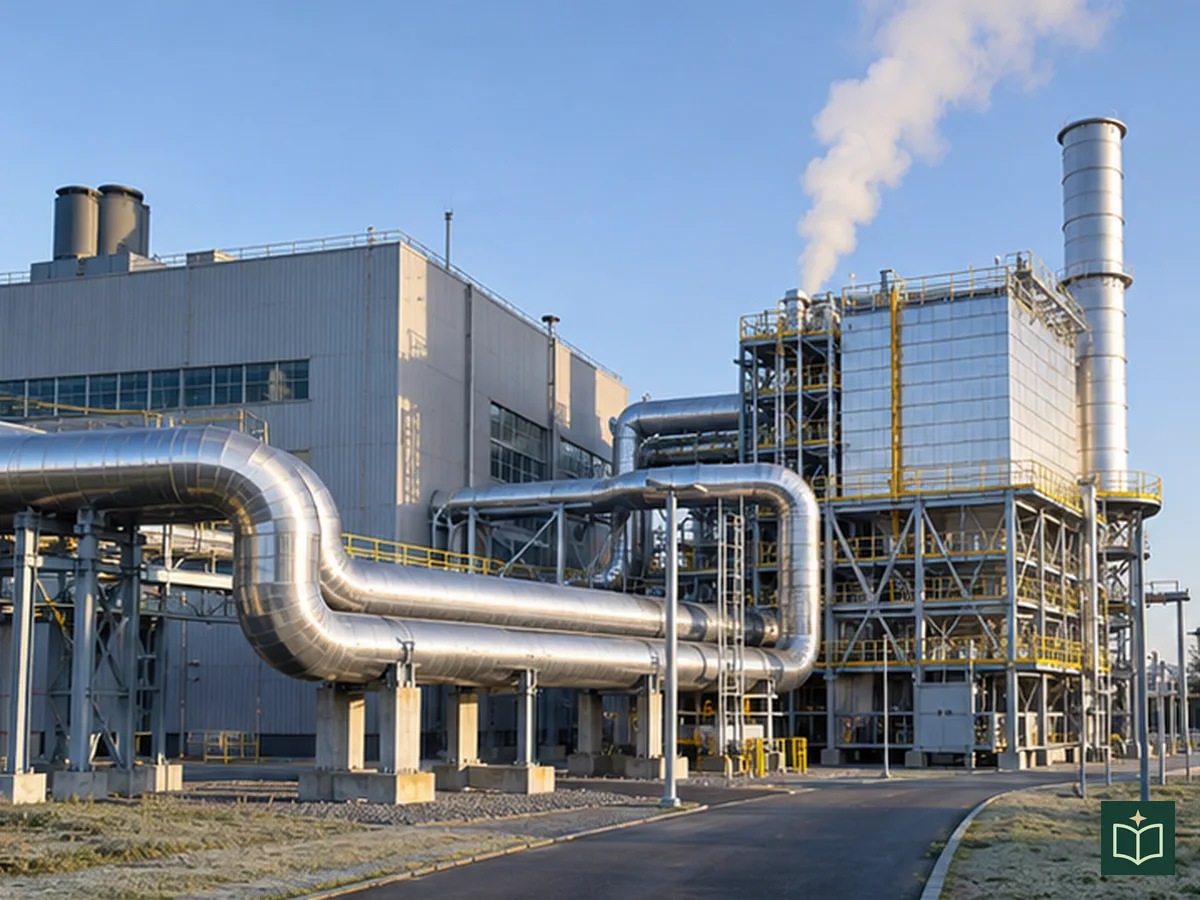
Every thermal power station turns only part of its fuel into electricity. A conventional steam plant converts perhaps 35 to 40 per cent; the rest leaves through cooling towers, seawater outfalls and chimneys as low-grade heat. Combined heat and power, also called cogeneration, captures much of that heat and puts it to work. The plant still makes electricity, but its steam, hot exhaust or warm water then supplies a factory, a hospital, a district heating network or a desalination unit. Because both products come from one fuel, US Department of Energy and Environmental Protection Agency guidance puts typical overall efficiency at around 65 to 80 per cent, sometimes higher.
How the hardware works
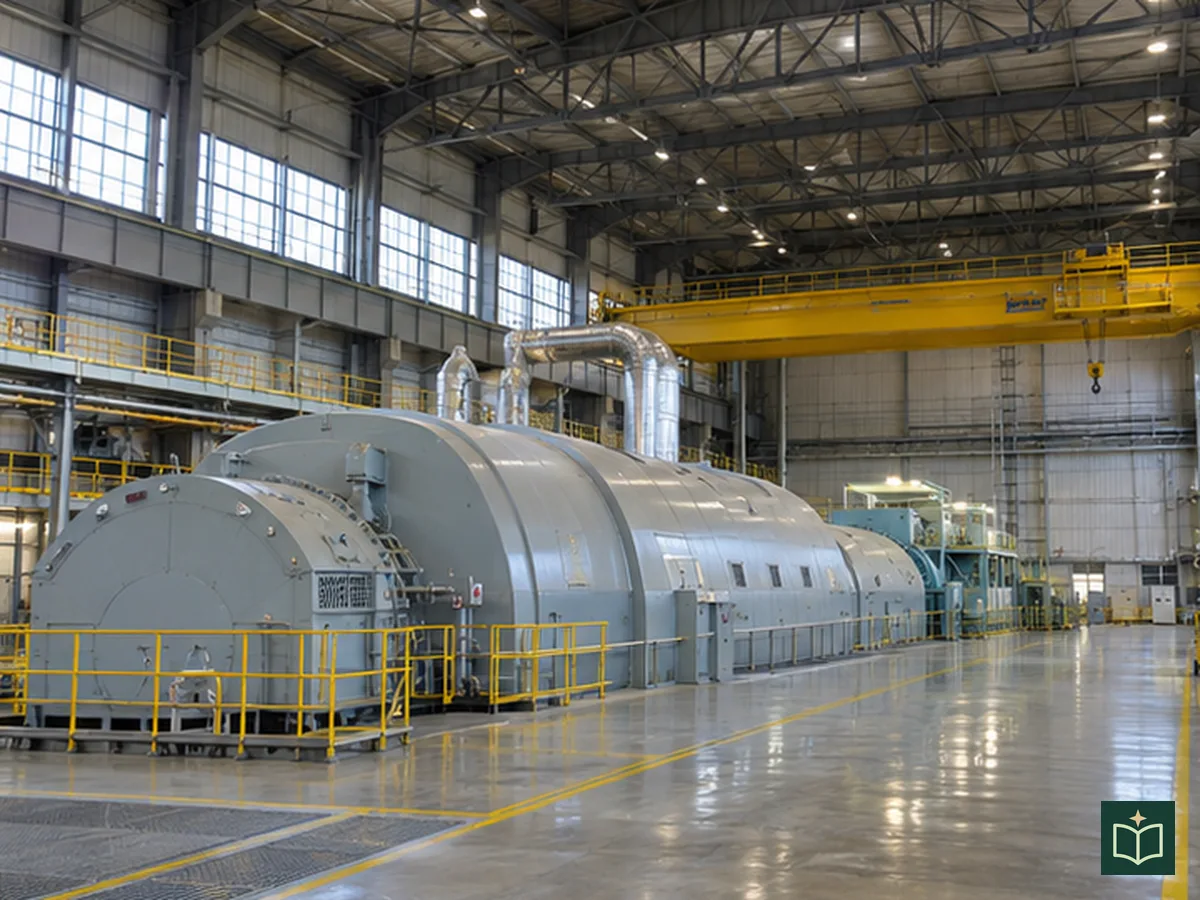
Several designs exist. In a gas turbine system, hot exhaust from the turbine at around 500°C passes through a heat-recovery steam generator, which raises steam for industrial use. Reciprocating engines, similar to large ship engines, recover heat from both exhaust and cooling water and suit hospitals, campuses and hotels. Steam-turbine systems burn fuel in a boiler and draw off part of the steam at useful pressure before or after the turbine. Adding an absorption chiller turns recovered heat into chilled water, a combination called trigeneration. The right choice depends on how much heat the site needs compared with electricity, and at what temperature.
A worked comparison
Imagine a CHP plant receiving 100 units of fuel energy and delivering 35 units of electricity plus 45 units of useful heat, an overall efficiency of 80 per cent. Producing the same outputs separately would need a power station and a boiler. At 40 per cent efficiency, the station needs 87.5 units of fuel for 35 units of electricity. At 85 per cent, the boiler needs about 53 units for 45 units of heat. Together that is roughly 140 units, against 100 for the CHP plant, so cogeneration saves about 29 per cent of the fuel. Real savings depend on what it replaces; against a modern combined-cycle plant they are smaller.
Power and water in the Gulf
The Gulf has practised a form of cogeneration for decades. Many coastal plants in the UAE, Saudi Arabia and Kuwait were built to produce both electricity and drinking water, using steam from power turbines to drive thermal desalination such as multi-stage flash distillation. Dubai's Jebel Ali complex is a large example of this power-and-water model. Industrial zones also run CHP to supply refineries, petrochemical plants and aluminium smelters with steam and electricity together. As reverse-osmosis desalination, which runs on electricity, spreads, the link between power and water plants is loosening, and the economics of each new project depend on how the two outputs are planned.
An old idea
Cogeneration is as old as the power industry. Early urban power stations in the late 19th century often sold steam or hot water to nearby buildings as well as electricity. Large centralised stations later pushed it aside in many countries, because plants were built far from cities and heat cannot travel far. Northern Europe kept the practice alive through district heating. Denmark and Finland, for example, generate a large share of their electricity in CHP plants that warm whole towns through networks of insulated pipes. Industries that need steam, such as paper, chemicals and food processing, are also long-standing users, as are many universities and hospitals that run their own plants.
Where it fits, and where it does not
CHP only pays when there is a steady demand for heat close by, because hot water and steam lose energy over distance. A plant running for electricity when nobody needs the heat is just an ordinary power station. Sites must also balance the ratio of heat to power; a factory needing mostly steam suits a different design from an office needing mostly electricity. Fuel matters too: gas-fired CHP is efficient but still emits carbon dioxide, so some plants are moving to biomass, waste or, in future, hydrogen. As grids add more solar and wind, cogeneration's role may shift towards flexible plants that also store heat.
Sources & further reading
- US EPA · Combined Heat and Power Partnership ↗
- US Department of Energy · Combined heat and power basics ↗
- IEA · Industry ↗
Figures are rounded and widely published; check the linked organisations for the latest editions. These organisations do not endorse this website.