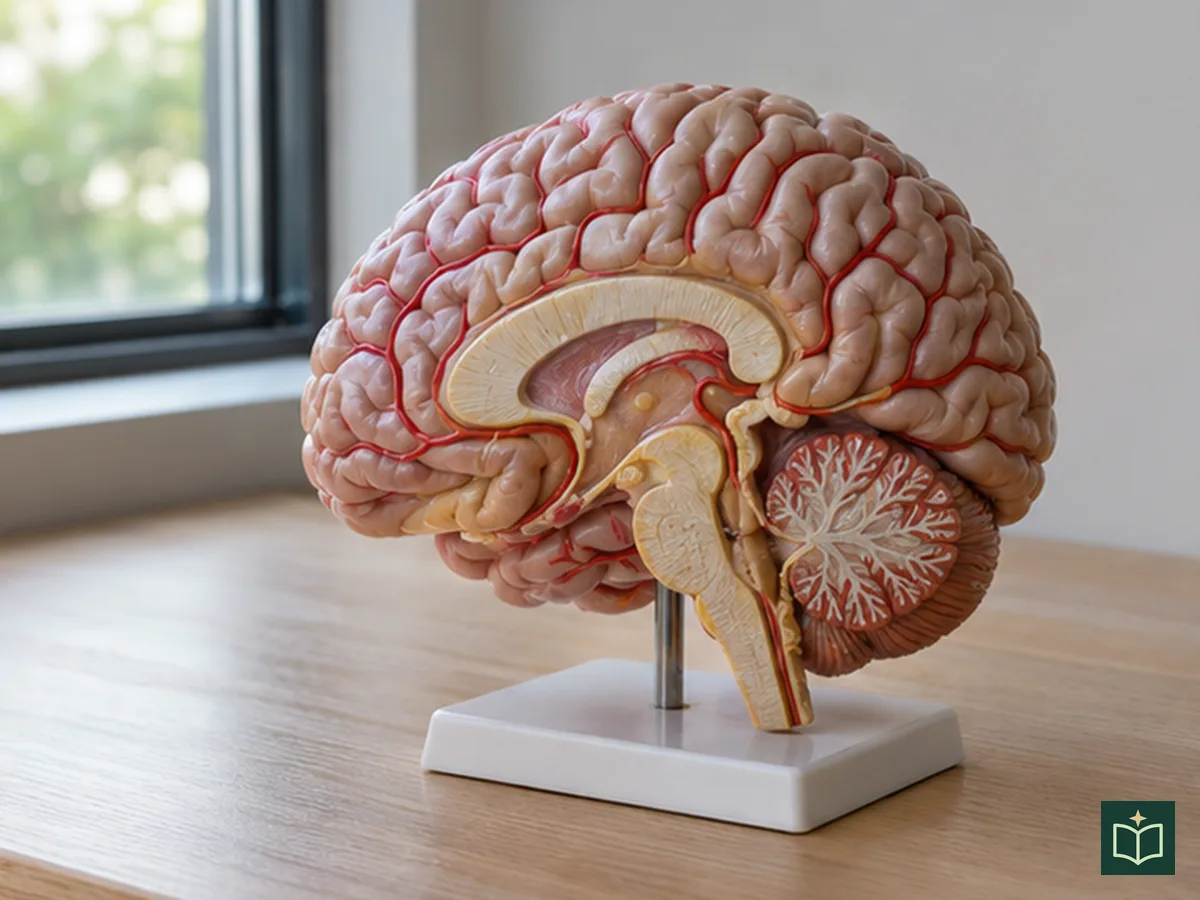
Chemical messengers
Dopamine and serotonin are neurotransmitters, chemicals that nerve cells use to pass signals to one another. When an electrical impulse reaches the end of a neuron, it releases these molecules into a tiny gap called a synapse, where they bind to receptors on the next cell and change its activity. Both belong to a family called monoamines and are made from amino acids in food: dopamine from tyrosine, serotonin from tryptophan. Each is produced by relatively small groups of neurons whose fibres reach across large parts of the brain. This article offers general information only; anyone concerned about mood, sleep or movement should seek professional medical advice.
Dopamine: motivation and movement
Dopamine is often called the pleasure chemical, but research suggests its main role is closer to motivation and learning. Dopamine neurons fire strongly when something turns out better than expected, a so-called reward prediction error, which helps the brain learn which actions are worth repeating. It drives wanting and effort more than the enjoyment itself. Dopamine also controls movement. In Parkinson's disease, the dopamine-producing neurons in a region called the substantia nigra die off, causing tremor, stiffness and slowness. The Swedish scientist Arvid Carlsson, who showed that dopamine is a neurotransmitter in its own right, shared the Nobel Prize in Physiology or Medicine in 2000.
Serotonin: mood, sleep and the gut
Serotonin influences many functions, including mood, anxiety, sleep, appetite, body temperature and pain. In the brain, it is made mainly by neurons in the raphe nuclei of the brainstem, which project widely. The body also turns serotonin into melatonin, the hormone that signals night-time to the body clock. Yet most of the body's serotonin, around 90%, is made not in the brain but in cells lining the gut, where it helps control the movement of food through the intestines. It also plays a role in blood clotting. Serotonin made in the gut does not cross into the brain, so the two supplies are largely separate.
Myths about dopamine
Popular culture has turned dopamine into a buzzword. Social media, sugar and shopping are said to cause dopamine hits, and so-called dopamine detox regimes promise to reset the brain by avoiding stimulation. These ideas contain a grain of truth: rewarding experiences do engage dopamine circuits, and habits can be shaped by them. But dopamine levels cannot be fasted back to a baseline, and the brain's reward system is not a simple tank that empties and fills. Dopamine is also involved in attention, memory and planning. Taking breaks from screens may be beneficial, but the benefit comes from changed habits, not from flushing out a chemical.
Myths about serotonin
For decades, depression was widely described as a chemical imbalance caused by low serotonin. Many scientists now say this was an oversimplification. A large review published in 2022 found no consistent evidence that depression is caused simply by low serotonin levels, prompting debate among researchers. Depression is thought to involve many factors, including genes, stress, inflammation and life circumstances, as well as brain chemistry. Importantly, this does not mean antidepressants that act on serotonin, such as SSRIs, are useless; clinical trials show they help many people, though how they work is still being studied. Anyone taking such medicines should not stop without medical guidance.
How they work together
Dopamine and serotonin are often presented as rivals, one for excitement and one for calm, but in reality they interact with each other and with many other chemicals, including noradrenaline, glutamate and GABA. The same messenger can have different effects depending on the receptor it binds to and the brain circuit involved: there are at least five types of dopamine receptor and more than a dozen of serotonin. Sleep, daylight, exercise, diet and social contact all influence both systems. The best summary is modest. Dopamine helps us pursue and learn, serotonin helps regulate our internal state, and neither alone explains happiness, addiction or mental illness.
Sources & further reading
Figures are rounded and widely published; check the linked organisations for the latest editions. These organisations do not endorse this website.