Two emergencies, one organ
The two terms are often used as if they mean the same thing, but they describe different failures. A heart attack, known medically as a myocardial infarction, happens when blood flow to part of the heart muscle is blocked, usually by a clot forming on a fatty plaque inside a coronary artery. The muscle downstream begins to die from lack of oxygen. Cardiac arrest is the sudden stop of effective pumping. The heart's electrical system misfires, the chambers quiver or fall still, and blood stops reaching the brain. One is a problem of plumbing, the other a problem of wiring. A person having a heart attack is usually conscious; a person in cardiac arrest is not.
What a heart attack feels like
The classic sign is pressure, tightness or squeezing in the centre of the chest, lasting more than a few minutes or coming in waves. The discomfort may spread to the arms, jaw, neck, back or stomach. Breathlessness, sweating, nausea and light-headedness are common, and some people, particularly women, older adults and people with diabetes, have milder or less typical symptoms. The key point is that the heart is still beating. Treatment aims to reopen the artery quickly, with clot-busting drugs or a balloon and stent, because the amount of muscle saved depends on time. Doctors summarise this as 'time is muscle'. Calling an ambulance immediately, rather than driving to hospital, gets treatment started sooner.
What happens in cardiac arrest
In cardiac arrest the most common culprit is ventricular fibrillation, a chaotic electrical storm in which the lower chambers quiver instead of contracting. Within seconds the person collapses, becomes unresponsive and stops breathing normally, though they may gasp. Without blood flow the brain begins to suffer damage within minutes. Cardiac arrest can strike people with no known heart disease, during sport or sleep, and it can be triggered by inherited rhythm disorders, a heart attack, drowning or electric shock. There is no time to wait for an ambulance to do everything. Survival depends on someone nearby keeping blood moving with chest compressions and restoring a normal rhythm with a defibrillator.
How one can lead to the other
The two conditions are linked. A heart attack damages muscle and irritates the surrounding electrical tissue, and this can set off ventricular fibrillation, turning a heart attack into a cardiac arrest. That risk is highest in the first hours after symptoms start, which is one reason emergency services want to reach heart attack patients quickly and monitor them closely. Yet many cardiac arrests occur without any heart attack, and many heart attacks never cause an arrest. Thinking of them as separate events helps. A heart attack is a warning that the heart's blood supply is failing. A cardiac arrest is the moment the pump itself stops, and death follows within minutes unless someone acts.
What a bystander should do
For suspected heart attack, call the emergency number, which is 998 for an ambulance in the UAE, keep the person resting and follow the dispatcher's advice; they may suggest chewing an aspirin if it is safe for that person. For a collapse with no normal breathing, the order changes. Call for help, ask someone to fetch an automated external defibrillator, and start chest compressions in the centre of the chest at a rate of 100 to 120 a minute, pressing about five to six centimetres deep. Hands-only CPR is far better than nothing. When the AED arrives, switch it on and follow its spoken instructions. It will only deliver a shock if the rhythm needs one.
Why the distinction matters
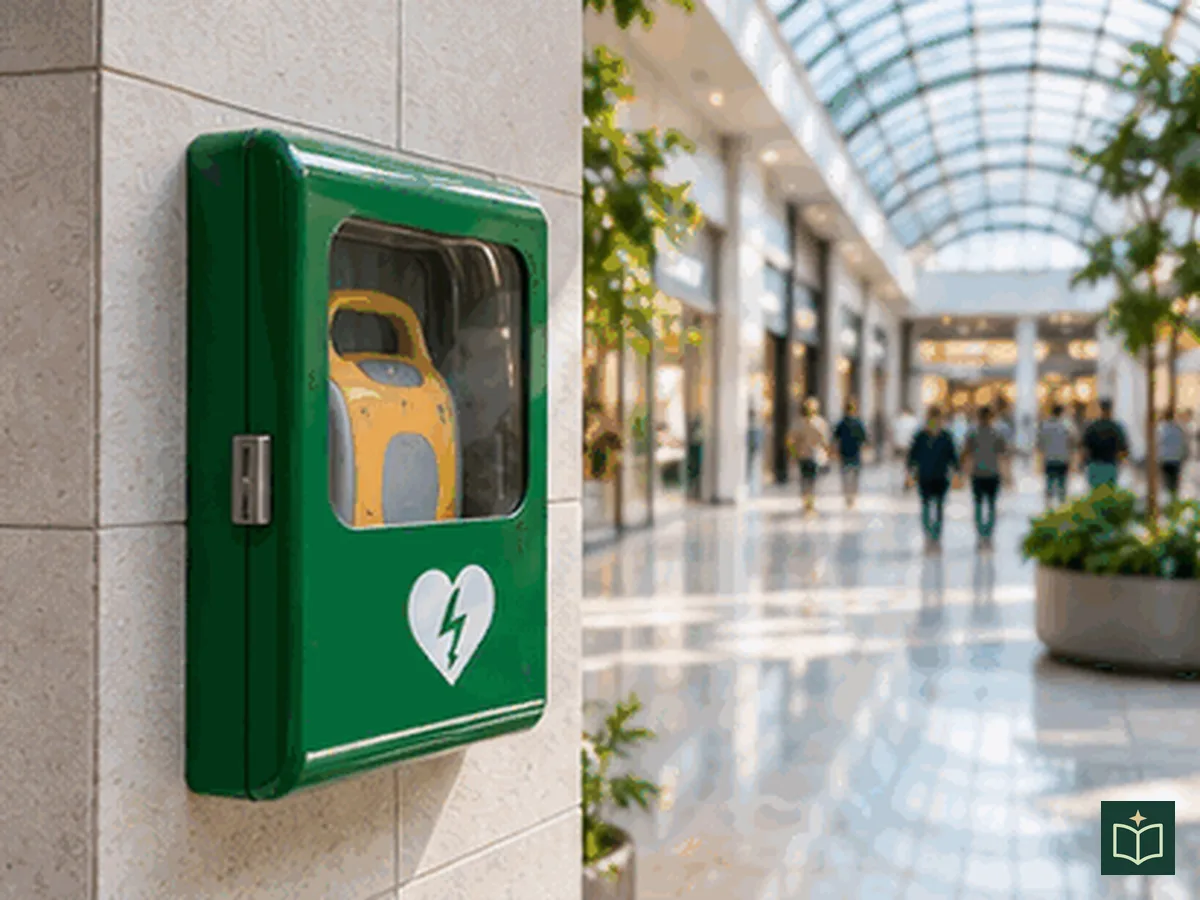
Knowing which emergency is unfolding changes the response from waiting to doing. In many countries fewer than one in ten people who suffer cardiac arrest outside hospital survive, but rates are several times higher where bystanders start CPR and public defibrillators are close at hand. That is why AEDs now hang in airports, malls, mosques and sports clubs across the Gulf, and why schools and employers teach basic life support. Heart attacks, meanwhile, are best prevented through blood pressure, cholesterol, diabetes and smoking control. This story is general information only; anyone with chest pain or heart concerns should seek medical help. In an emergency, the simple rule is call, compress and shock.
Sources & further reading
- NHS · Heart attack ↗
- British Heart Foundation · Cardiac arrest ↗
- WHO · Cardiovascular diseases fact sheet ↗
Figures are rounded and widely published; check the linked organisations for the latest editions. These organisations do not endorse this website.