Grids run on computers
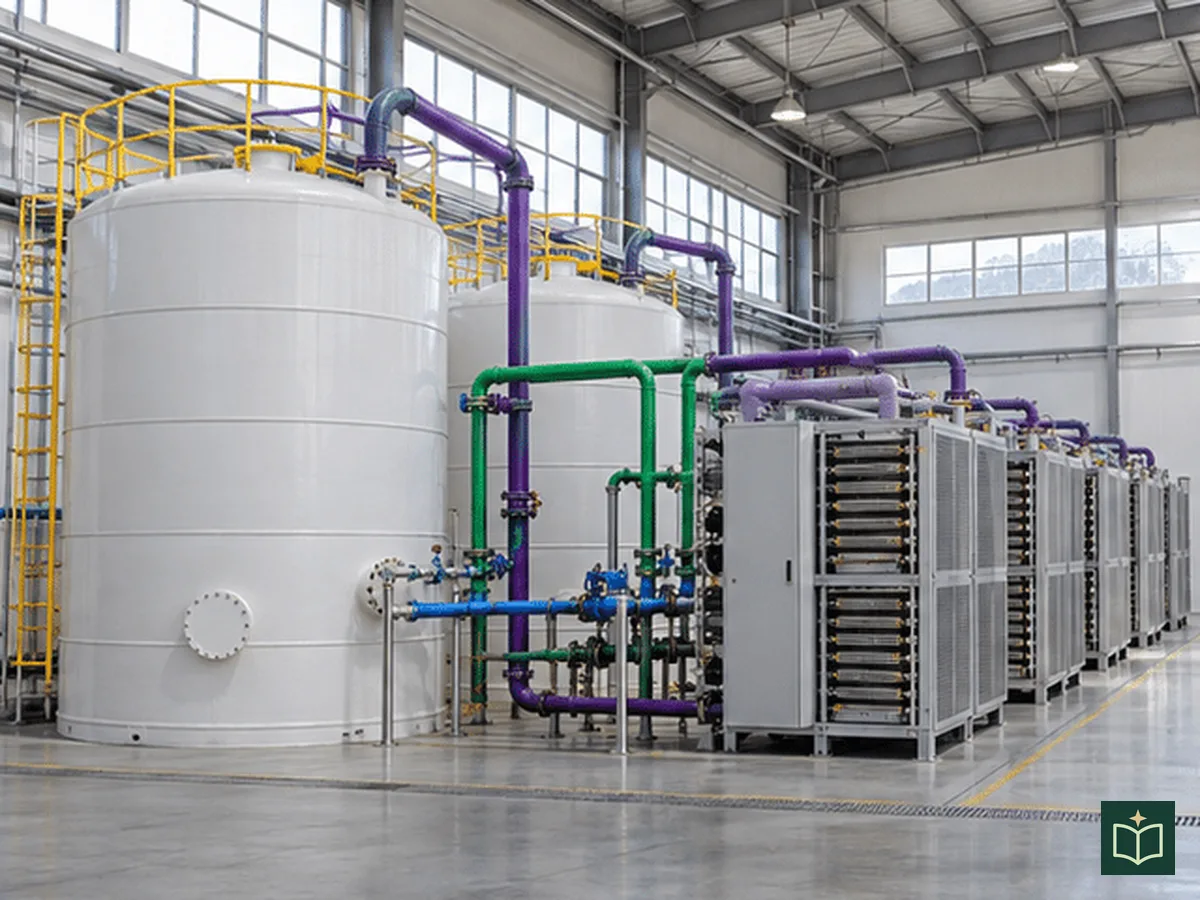
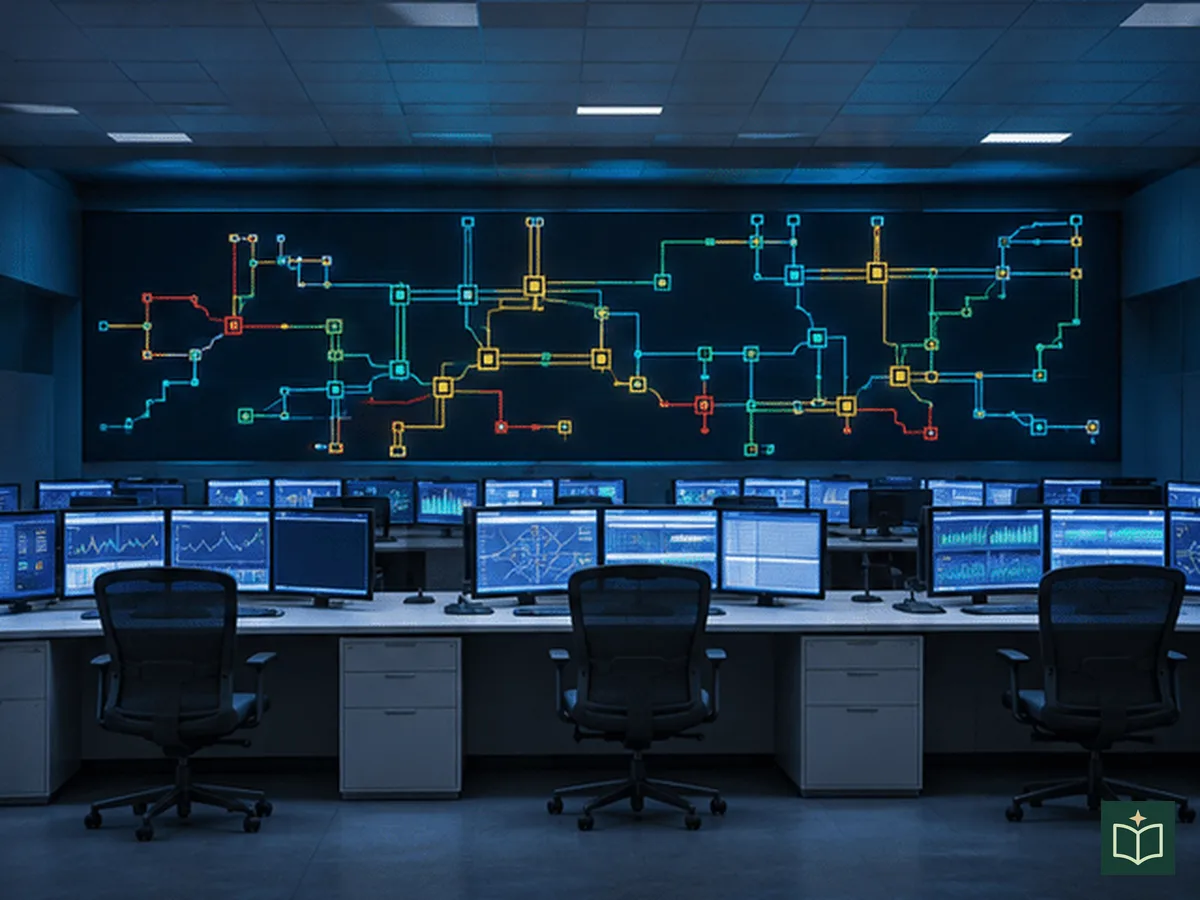
A modern power system is controlled from screens. Control centres use supervisory control and data acquisition systems, known as SCADA, and energy management systems to watch flows, balance generation with demand and open or close circuit breakers hundreds of kilometres away. In substations, remote terminal units, programmable logic controllers and digital protection relays carry out those commands and react within milliseconds to faults. This automation makes grids more efficient and more reliable. It also means that equipment once operated only by hand can now be operated over a network. Anyone who gains control of that network, legitimately or not, can in principle change the physical state of the grid.
Old protocols, new connections
Much grid equipment was designed when control networks were isolated and trusted. Common industrial protocols such as Modbus and DNP3 were created to be simple and fast, and their original versions did not check who was sending a command. Equipment in substations often stays in service for twenty or thirty years, far longer than office computers, and cannot easily be patched or rebooted without interrupting supply. Meanwhile, utilities have linked control systems to corporate networks for billing, maintenance and remote access, and added millions of connected devices, from smart meters to rooftop solar inverters. Each connection is useful, and each is a potential route in for attackers.
Ukraine, 2015
The clearest example came on 23 December 2015 in western Ukraine. Attackers who had entered three regional distribution companies months earlier, apparently through phishing emails carrying malicious documents, used the companies' own control software to open breakers at dozens of substations. Around 225,000 customers lost power for several hours. The attackers also disabled backup power at control centres, overwrote the firmware of devices linking control networks to substations, wiped computers and flooded customer call centres with calls. Power was restored largely by engineers driving to substations and operating them manually. Investigations published by US government agencies afterwards made the incident a reference case for utilities worldwide.
A more automated attack
A year later, in December 2016, a transmission substation near Kyiv was disconnected, cutting power to part of the city for about an hour. Researchers who analysed the malicious software, later named Industroyer or CrashOverride, found that it could speak the industrial protocols used in substations directly, issuing commands to switch equipment without a human operator at the keyboard. It also attempted to disable protective relays. Earlier, the Stuxnet worm, discovered in 2010, had shown that code could physically damage industrial machinery, in that case centrifuges rather than grid equipment. Together these cases ended any assumption that cyberattacks would only steal data and never switch off physical systems.
Defence in depth
Operators respond with layers rather than a single barrier. Control networks are separated from office networks, with tightly controlled gateways between them and no direct internet access. Remote access requires strong authentication, and accounts and devices are strictly inventoried. Monitoring tools look for unusual commands or traffic patterns, while secure versions of industrial protocols add authentication. Standards set minimum practices: in North America, compliance with the NERC Critical Infrastructure Protection standards is mandatory for bulk power systems, and the IEC 62443 series is widely used internationally. Utilities also run exercises simulating attacks, share threat information with peers and governments, and require suppliers to meet security rules for equipment and software.
Keeping the lights on
No defence is perfect, so resilience matters as much as prevention. Grids are designed so that the loss of any single element does not cause a widespread blackout, and protection systems isolate faults automatically. Many operators keep staff trained to run substations manually, as Ukrainian engineers did, and keep spare equipment, offline backups and plans to restart the system from scratch. The growing number of small, internet-connected devices, from electric vehicle chargers to home batteries, raises new questions, because large numbers switching at once could disturb grid frequency. Governments increasingly treat grid cybersecurity as part of national security, alongside physical protection of substations, transmission lines and control centres.
Sources & further reading
- CISA · Cyber-attack against Ukrainian critical infrastructure ↗
- North American Electric Reliability Corporation ↗
- IEA · Power systems in transition ↗
Figures are rounded and widely published; check the linked organisations for the latest editions. These organisations do not endorse this website.