Two giants, side by side
China and Russia top this table with total land borders of about 22,400 kilometres each, a difference of only about 50 kilometres between them. Each borders fourteen countries, more than any other nation, and they share a border of more than 4,000 kilometres with each other. China’s neighbours range from North Korea and Vietnam to India, Pakistan and Kazakhstan. Russia’s stretch from Norway and Finland to Mongolia and North Korea, and include two separate borders around its Kaliningrad exclave on the Baltic. The figures come from widely used reference data, and other sources give slightly different totals, which could reverse the order of the top two.
Why size is not everything
Total border length depends on more than area. Canada is the second-largest country by area but only ninth here, because it has a single land neighbour, the United States, and most of its edge is coastline. Australia, larger than India, has no land borders at all. Brazil, by contrast, borders ten countries, every South American nation except Chile and Ecuador, giving it about 16,100 kilometres of land border. India’s long boundaries with Bangladesh, Pakistan, China, Nepal and Myanmar add up to about 13,900 kilometres. Its border with Bangladesh alone runs for more than 4,000 kilometres through rivers, farmland and densely populated plains.
The longest single borders
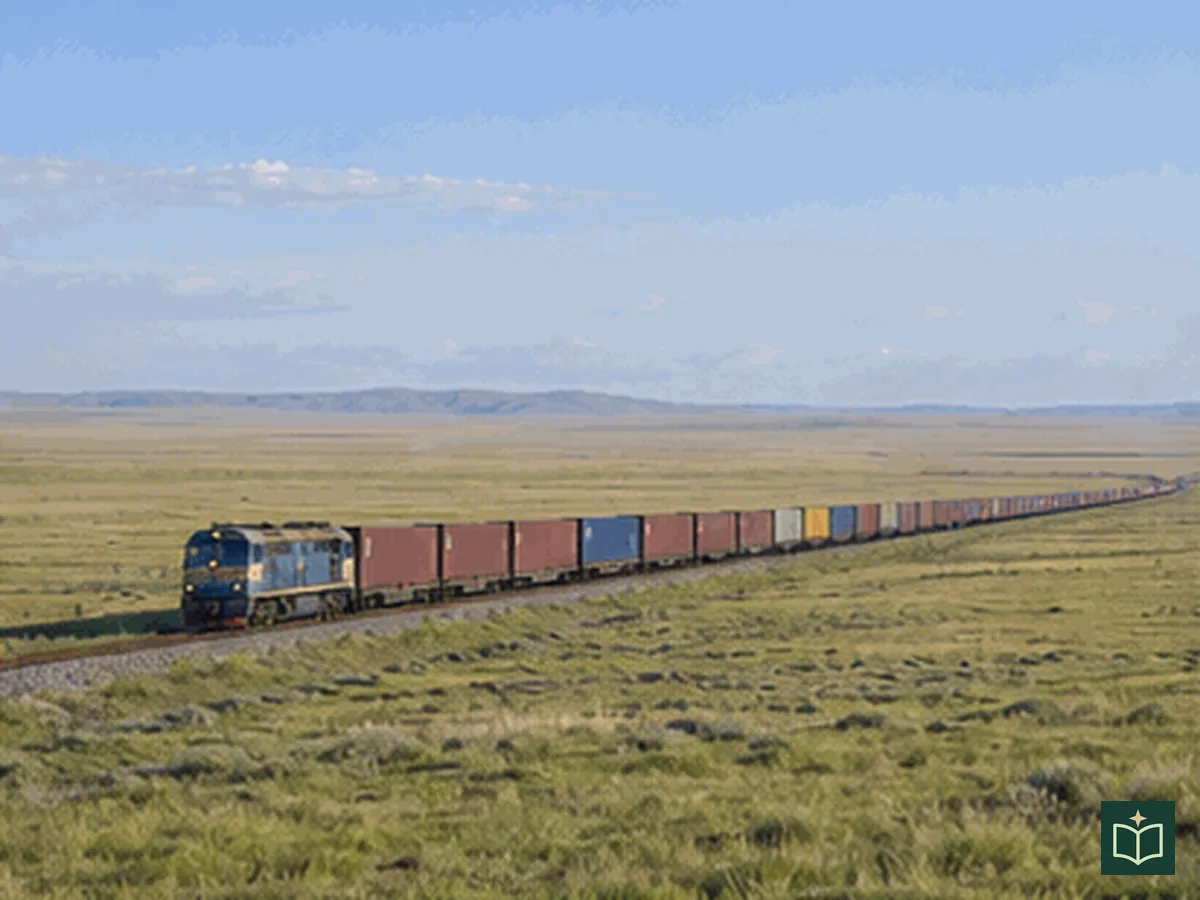
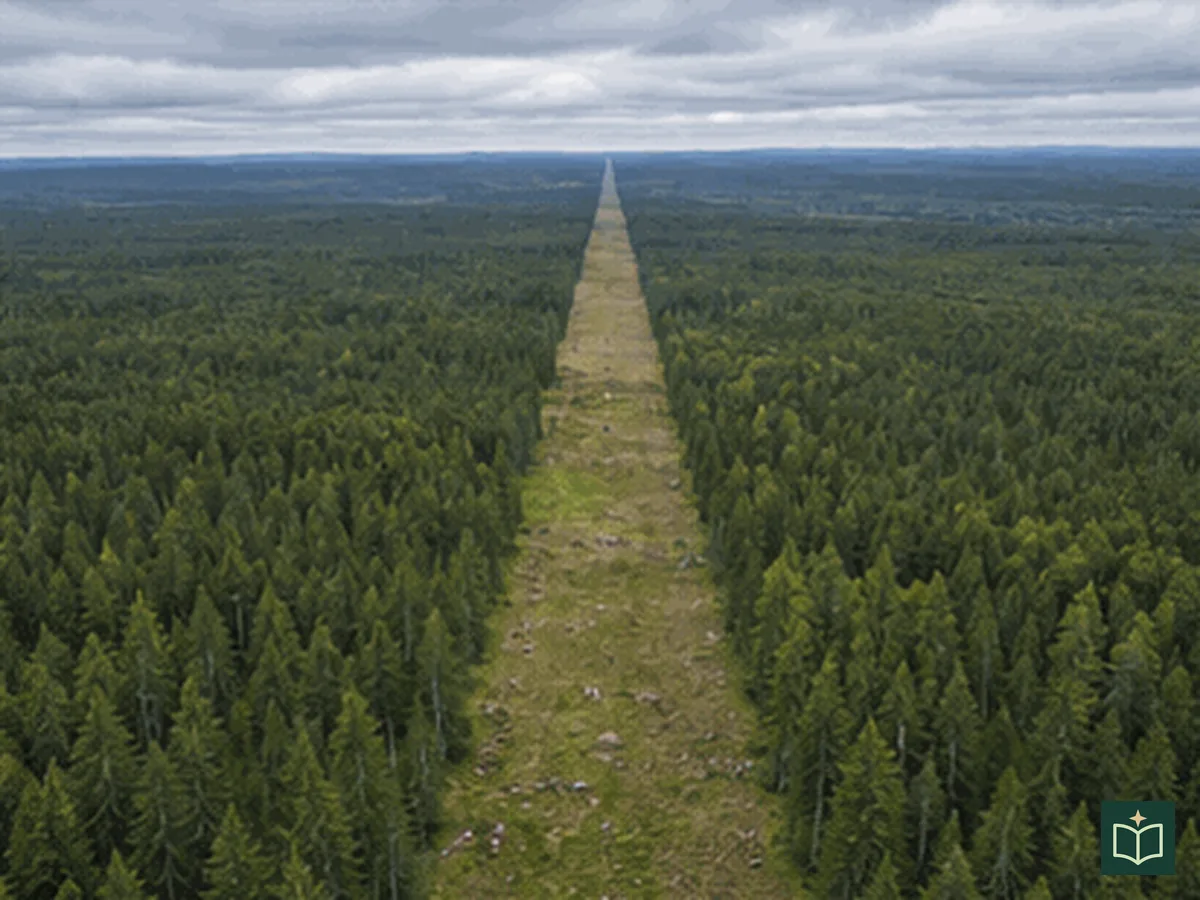
The longest border between two countries is the boundary between Canada and the United States, about 8,900 kilometres including the section between Alaska and Canada. Much of it follows the 49th parallel across the plains, a straight line agreed in treaties in the nineteenth century, and it is maintained by a joint commission that keeps a cleared strip through forests. Second is the border between Kazakhstan and Russia, about 7,600 kilometres across steppe and semi-desert. Third is the boundary between Argentina and Chile, about 6,700 kilometres, which runs along the crest of the Andes and was settled in a series of arbitrations and agreements.
Measuring a line on the ground
Border lengths are surprisingly hard to pin down. A boundary that follows a winding river or a jagged mountain crest has a different length depending on how finely it is measured, a problem similar to measuring a coastline. Rivers also change course, sometimes shifting territory from one side to the other. Some borders are disputed, and countries may publish different figures for the same line. Modern surveys use satellite positioning and digital maps, which have refined many old figures. The values here are rounded from a single consistent reference source, so the order is reliable even though individual figures may differ elsewhere.
Borders in the Gulf
Gulf countries have relatively short land borders, because much of their territory meets the sea. The UAE’s land border, shared with Saudi Arabia and Oman, totals roughly 1,000 kilometres. Saudi Arabia has the longest land borders in the region, with seven land neighbours: Jordan, Iraq, Kuwait, Qatar, the UAE, Oman and Yemen. Its border with Yemen crosses mountains and the sands of the Rub’ al Khali. Many Gulf boundaries were settled only in the late twentieth century, often through treaties that resolved long-standing claims. Bahrain has no land border, though the King Fahd Causeway connects it by road to Saudi Arabia.
Why borders matter
Long land borders bring both opportunities and challenges. They allow trade by road and rail, shared rivers and close cultural ties, but they are also costly to manage and can be difficult to secure. Countries with many neighbours often have complex diplomacy and a long history of disputes and agreements. Mongolia, last in the table, is a striking case: its entire border of about 8,100 kilometres is shared with only two countries, China and Russia, which shapes its trade and foreign policy. Kazakhstan, fifth, is the world’s largest landlocked country, and all of its trade with distant markets must pass through its neighbours.
Sources & further reading
- CIA World Factbook · Land boundaries ↗
- International Boundary Commission (Canada–United States) ↗
- Britannica · Boundary ↗
Figures are rounded and widely published; check the linked organisations for the latest editions. These organisations do not endorse this website.