A small but essential amount
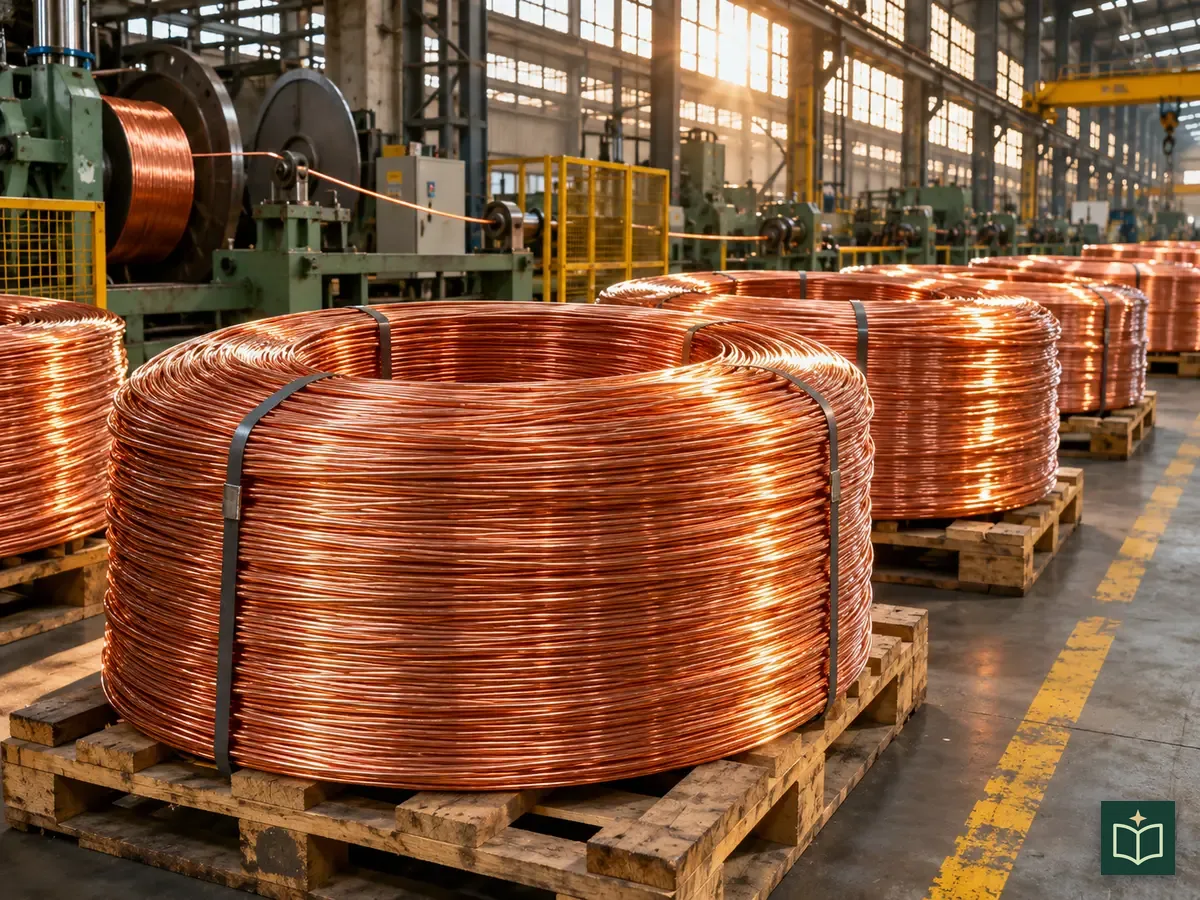
The adult human body contains only a small amount of copper, roughly 50 to 120 milligrams in total, much of it in the liver, muscles and bones. That is roughly the weight of a few grains of rice, yet life depends on it. Copper is an essential trace element: the body cannot make it, so it must come from food. Its usefulness lies in its chemistry. Copper atoms can easily switch between two electrical states, accepting or donating an electron. This makes copper ideal for enzymes that move electrons around during chemical reactions, especially those involving oxygen, which is central to how our cells produce energy.
What copper does
Several important enzymes require copper. Cytochrome c oxidase, inside the mitochondria, performs the final step in the process that turns food and oxygen into usable energy. Superoxide dismutase helps neutralise harmful oxygen by-products that can damage cells. Lysyl oxidase links collagen and elastin fibres, giving strength to blood vessels, skin and bones. Ceruloplasmin, the main copper-carrying protein in blood, helps release iron from storage so it can be used to make red blood cells. Other copper enzymes help produce melanin, the pigment in skin and hair, and certain brain signalling chemicals. Copper deficiency therefore shows up in surprisingly varied ways, from anaemia to nerve problems.
Where it comes from
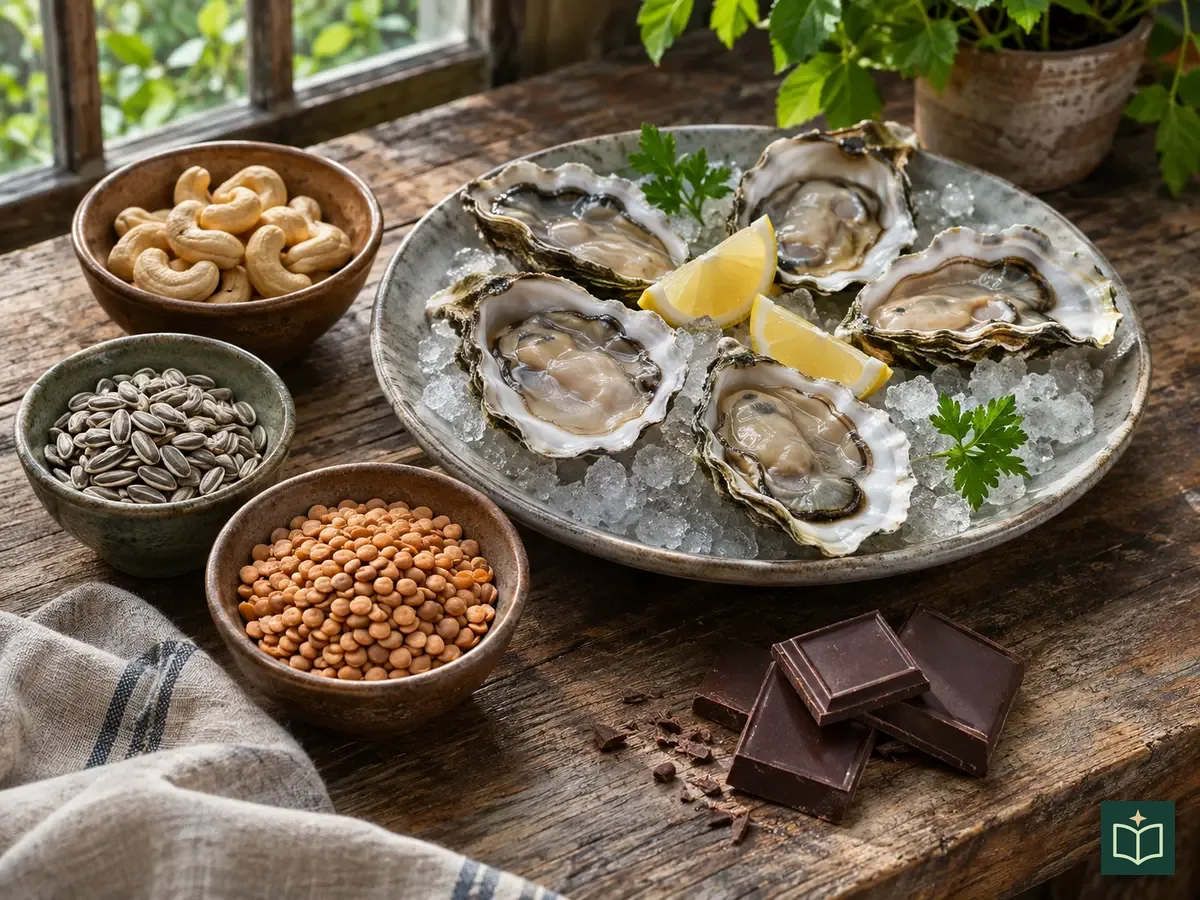
Copper is widely distributed in food, so most people with a varied diet obtain enough. Good sources include shellfish such as oysters, organ meats such as liver, nuts, seeds, legumes, whole grains and dark chocolate. Drinking water can contribute too, particularly where it passes through copper pipes, especially if the water is slightly acidic or has stood in pipes for long periods. The World Health Organization sets a guideline value for copper in drinking water to protect against stomach upsets from excessive levels. In the UAE and elsewhere, desalinated water is treated to control its chemistry, partly to protect distribution pipes and plumbing from corrosion.
When there is too little
Copper deficiency is uncommon, but it does occur. It can follow some types of weight-loss surgery that reduce absorption, certain gut disorders, or long-term use of high-dose zinc supplements, because excess zinc interferes with copper absorption in the intestine. Symptoms can include anaemia that does not respond to iron, low white blood cell counts and, in some cases, nerve damage affecting balance and sensation. A rare inherited condition, Menkes disease, prevents the body from transporting copper properly and affects infants severely. Because symptoms overlap with other conditions, deficiency must be diagnosed through medical tests, not guesswork, and treatment should be supervised by a qualified healthcare professional.
When there is too much
The body regulates copper tightly, mainly by excreting excess through bile, so toxicity from normal diets is rare in healthy people. Problems can arise from contaminated water, misuse of supplements or genetic disorders. The best known is Wilson’s disease, an inherited condition in which the liver cannot excrete copper effectively. Copper gradually builds up in the liver, brain and eyes, sometimes visible as a coppery ring around the cornea. Untreated, it can cause liver disease and neurological symptoms, but with diagnosis and lifelong treatment many people live normal lives. This explainer offers general information only; questions about diet, supplements or symptoms should always go to a doctor or registered dietitian.
Blue blood and beyond
Copper’s biological role extends far beyond humans. Octopuses, squid, many crabs, snails and spiders transport oxygen using haemocyanin, a copper-containing protein, rather than the iron-based haemoglobin found in humans. Haemocyanin turns blue when it binds oxygen, which is why these animals are said to have blue blood. Plants also depend on copper for photosynthesis and other processes, so copper deficiency in soil can limit crop yields. At the same time, excess copper is toxic to many microorganisms, algae and aquatic animals, which is why copper compounds have been used as fungicides and anti-fouling paints. The same metal that sustains life in small doses can harm it in larger ones.
Sources & further reading
Figures are rounded and widely published; check the linked organisations for the latest editions. These organisations do not endorse this website.