What it is
Carbon capture and storage, often shortened to CCS, is a set of technologies that prevent carbon dioxide from reaching the atmosphere by catching it at its source and storing it deep underground. When the captured gas is used for something, such as making chemicals or boosting oil recovery, the term becomes carbon capture, utilisation and storage, or CCUS. It is mainly aimed at large point sources: power plants, cement kilns, steel mills, refineries, fertiliser plants and gas processing facilities. Some of these, such as cement, emit carbon dioxide from chemical reactions as well as from burning fuel, so switching to clean energy alone cannot eliminate their emissions.
How capture works
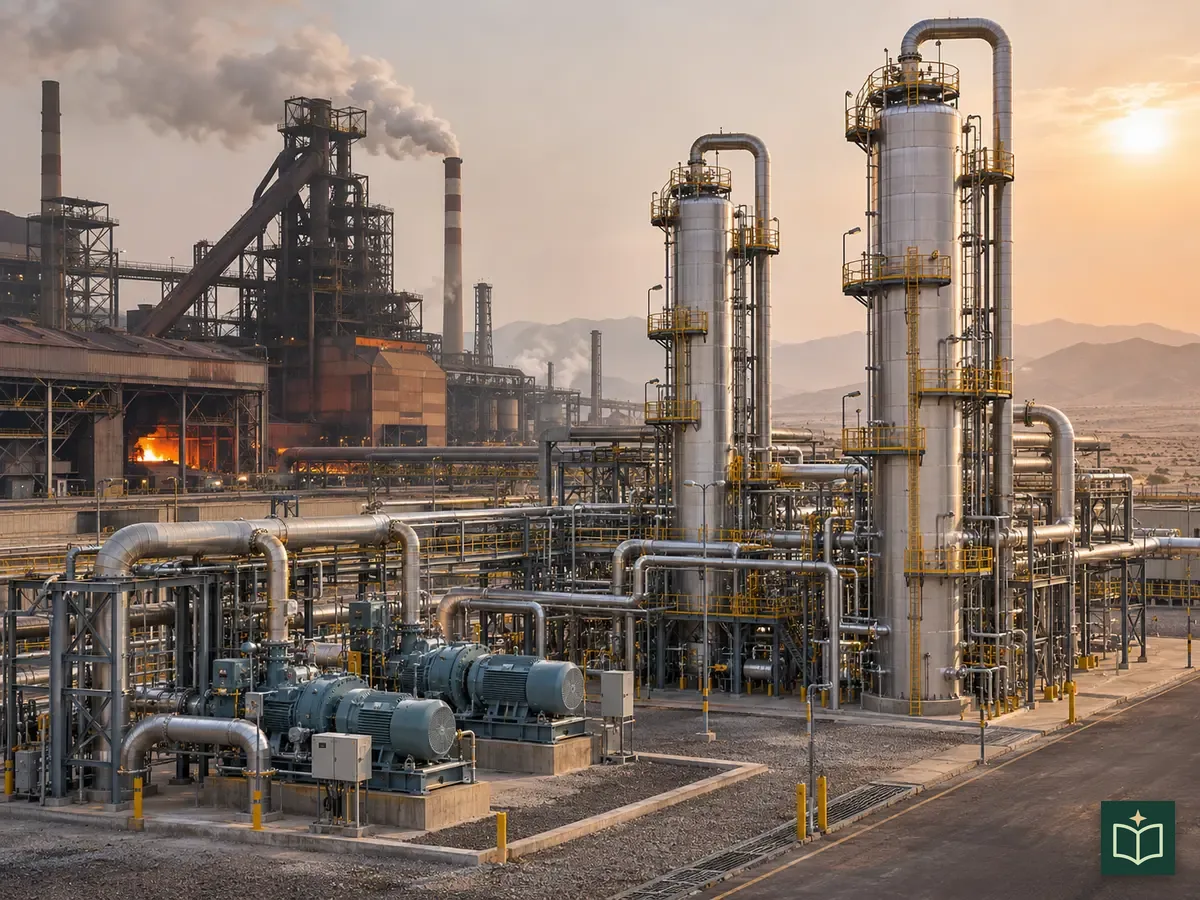
The most established method is post-combustion capture using chemical solvents, usually amines. Exhaust gas bubbles through the solvent, which absorbs carbon dioxide; the solvent is then heated to release a concentrated stream, and reused. This takes considerable energy, which reduces a power plant’s output. Pre-combustion capture converts fuel into hydrogen and carbon dioxide before burning. Oxy-fuel combustion burns fuel in nearly pure oxygen, leaving exhaust that is mainly carbon dioxide and water. The cheapest capture opportunities are where the gas is already concentrated, such as natural gas processing and ammonia production, where separating carbon dioxide is part of the normal process anyway.
Where it is stored
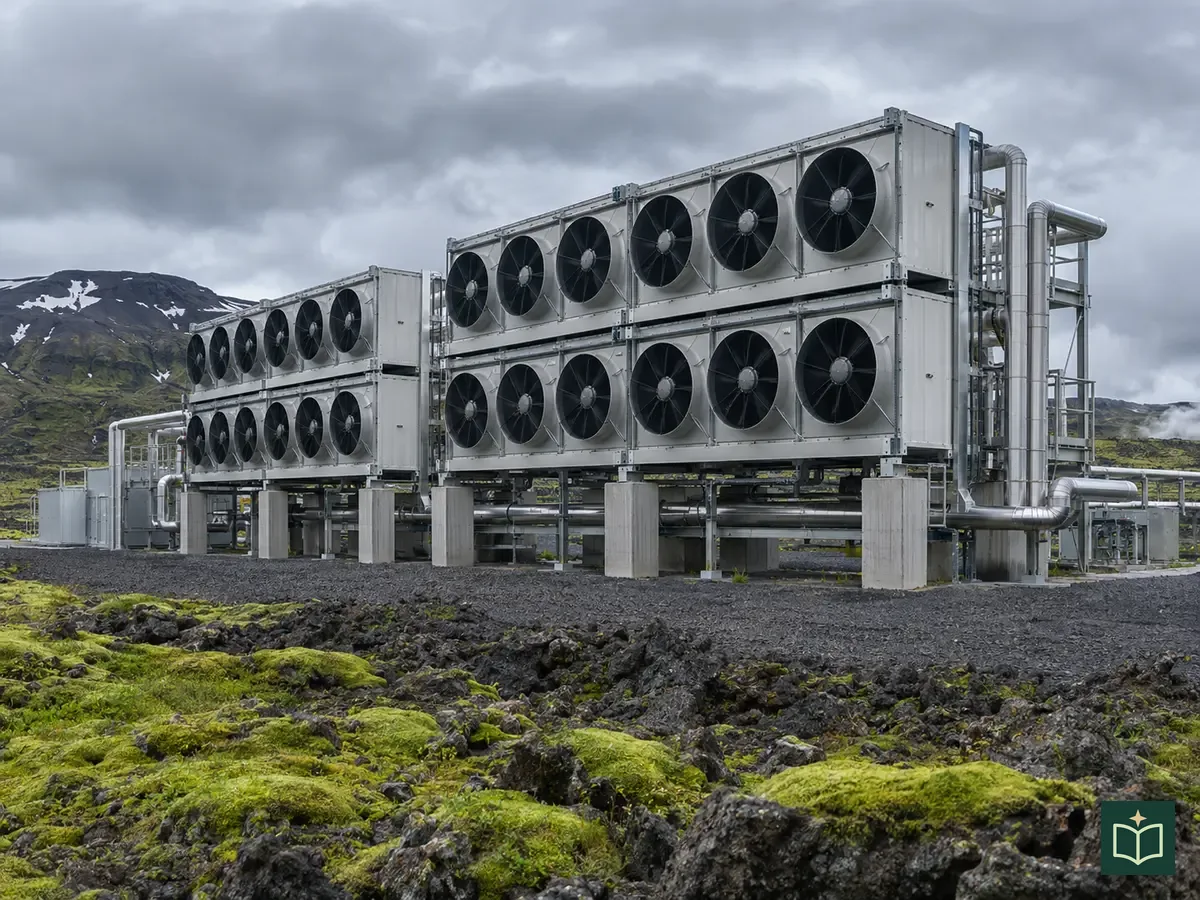
Captured carbon dioxide is compressed into a dense, liquid-like state and injected more than about 800 metres below ground, usually into porous sandstone saline formations or depleted oil and gas fields. Impermeable cap rock above traps it, and over time some dissolves into brine and some reacts to form minerals, making storage more secure. Geologists select sites carefully and monitor them with seismic surveys and wells. Norway’s Sleipner project has stored around a million tonnes a year beneath the North Sea since 1996, and Iceland’s Carbfix injects carbon dioxide into basalt, where it mineralises within a few years, according to the project’s researchers.
The Gulf’s role
The Gulf hosts some of the world’s notable projects. Al Reyadah in Abu Dhabi, launched by ADNOC in 2016, captures carbon dioxide from the Emirates Steel plant and was described as the world’s first commercial-scale CCUS facility in the steel industry, with capacity of about 800,000 tonnes a year. The gas is used to enhance oil recovery. Saudi Aramco and Qatar have also operated capture projects at gas and industrial sites and announced larger hubs. Using captured carbon dioxide to produce more oil is debated: it stores carbon, but the extra oil produced will release emissions when burned, so the net climate effect depends on how it is accounted for.
Why progress has been slow
Despite decades of research, global operating capture capacity remains in the tens of millions of tonnes a year, tiny compared with annual energy-related emissions of more than 35 billion tonnes. Many planned projects have been cancelled. Costs are the main reason: capture equipment, energy use, pipelines and monitoring are expensive, and without a carbon price, tax credit or regulation, emitting is cheaper. Some high-profile projects have underperformed their capture targets. Public acceptance of underground storage also varies. Supporters argue that costs fall with scale and that some industries have few alternatives; critics warn that CCS can be used to delay cheaper emission cuts.
What to watch
Recent policies, such as tax credits in the United States and carbon pricing in Europe, have revived interest, and several countries are developing shared ‘hubs’ where many emitters feed into one pipeline and storage site. Scenarios from the IEA and the IPCC that limit warming typically include some CCS, especially for cement, chemicals and removing carbon from the air, though the amounts vary widely. Useful questions when reading an announcement are: how much carbon dioxide will be captured, what share of the plant’s emissions that represents, where it will be stored and who will verify that it stays there. The answers separate meaningful projects from symbolic ones.
Sources & further reading
- IEA · Carbon capture, utilisation and storage ↗
- IPCC · Special Report on Carbon Dioxide Capture and Storage ↗
Figures are rounded and widely published; check the linked organisations for the latest editions. These organisations do not endorse this website.