What biofuels are
Biofuels are liquid or gaseous fuels made from recently living material, as opposed to fossil fuels formed over millions of years. The two most common are ethanol, an alcohol that substitutes for petrol, and biodiesel or renewable diesel, which substitute for diesel. Their basic appeal is that the carbon released when they burn was absorbed from the air by plants a short time earlier, so in principle the cycle can be close to carbon-neutral. In practice, farming, fertiliser, transport and processing all use energy and release emissions, and clearing land for crops can release large amounts of stored carbon. Those factors determine their real impact.
Making ethanol
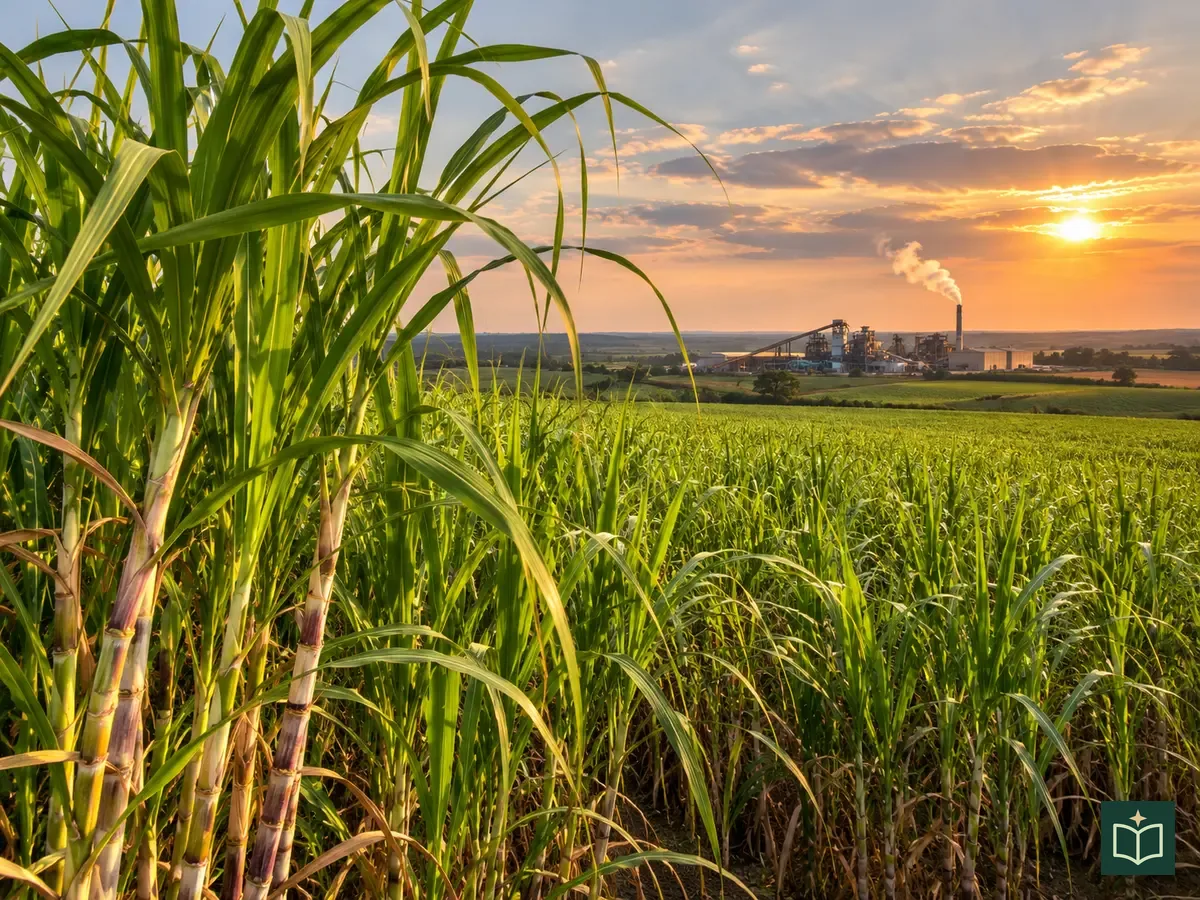
Ethanol is made by fermentation, the same basic process used for brewing. Yeasts convert sugars into ethanol and carbon dioxide, and distillation concentrates the alcohol. In Brazil, the main feedstock is sugarcane, which grows quickly in the tropics and provides waste stalks, called bagasse, that can be burned to power the mill. In the United States, maize is the main feedstock, and the grain’s starch must first be broken down into sugars. The two countries produce most of the world’s fuel ethanol. Ethanol has about two-thirds of the energy of petrol per litre, so cars travel a little less far on each litre.
Diesel substitutes
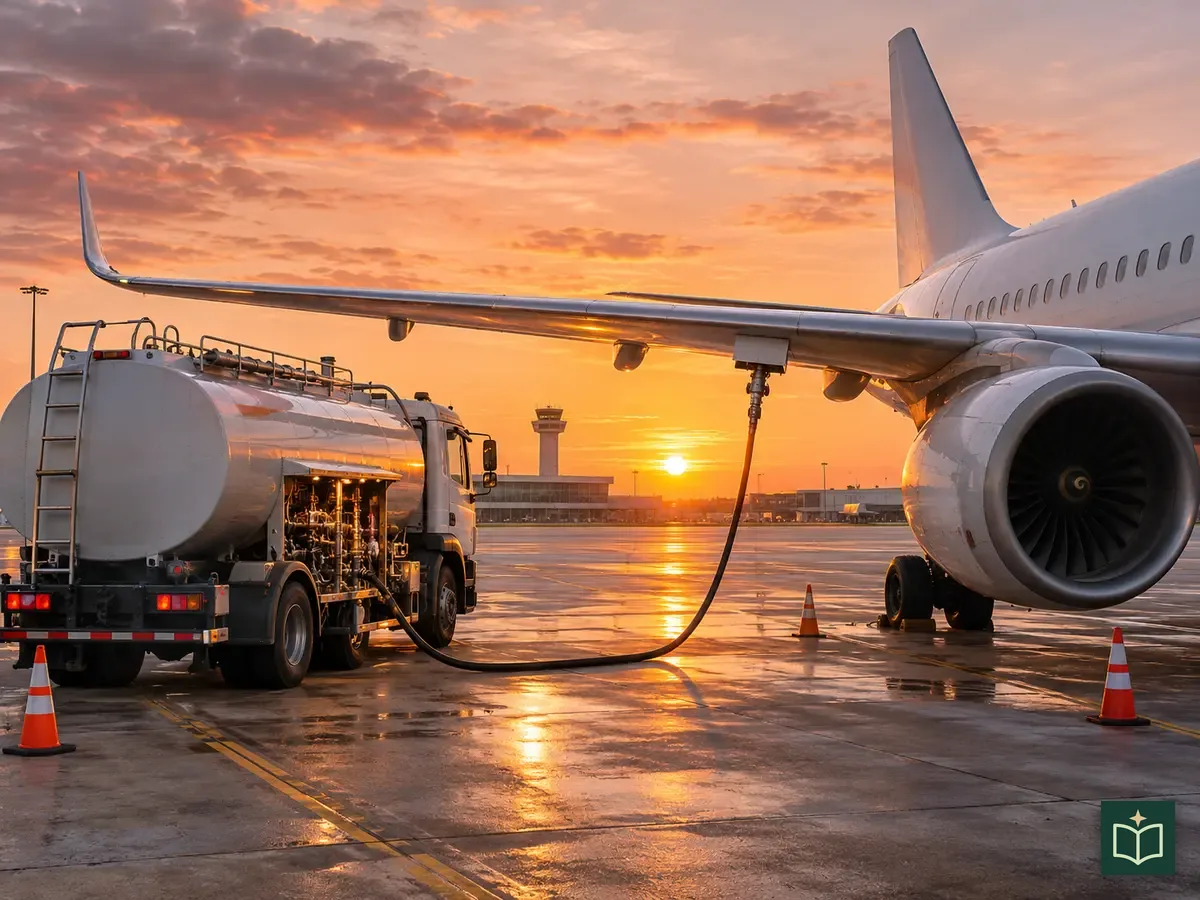
Traditional biodiesel, known as FAME, is made by reacting vegetable oils or animal fats with methanol. It works in diesel engines but is usually blended at limited percentages because of cold-weather and storage issues. Renewable diesel, often called HVO, is made by treating the same oils and fats with hydrogen in a refinery-style process, producing a fuel chemically similar to fossil diesel that can be used at much higher blends. Feedstocks include soybean, rapeseed and palm oils, and increasingly used cooking oil and animal fats. Waste-based fuels generally have lower life-cycle emissions, but supplies are limited and sometimes subject to fraud concerns about mislabelled imports.
Food, land and forests
The biggest controversy is land. Growing fuel crops can compete with food production and raise prices, an issue debated intensely during the global food price spikes of 2007 to 2008. If demand for biofuels leads to forests or peatlands being cleared elsewhere, a process called indirect land-use change, the resulting emissions can outweigh the savings for many years. Palm oil linked to deforestation in Southeast Asia is a frequently cited example. Policymakers have responded by capping crop-based biofuels, favouring wastes and residues, and requiring sustainability certification. Life-cycle emissions vary widely, so careful accounting is needed for each fuel and supply chain.
Beyond the first generation
Researchers have long pursued ‘advanced’ biofuels from non-food materials such as crop residues, wood waste, grasses and algae. Turning tough plant fibres, or cellulose, into fuels is technically possible but has proved difficult to scale economically, and several commercial plants closed after struggling with costs. Algae attracted much attention in the 2000s but remains expensive. Today, the main growth areas are waste oils and fats, and new pathways to make aviation fuel. In the Gulf, small-scale projects have converted used cooking oil from restaurants into biodiesel for vehicle fleets, a sensible use of waste in a region with little farmland.
What to watch
Biofuels already provide a few per cent of global transport fuel, mostly as ethanol in petrol and biodiesel in diesel. Their future role is likely to shift as cars electrify, with more biofuel directed to aviation, shipping and heavy transport, where alternatives are scarcer. Because sustainable feedstocks are limited, many analysts argue that biomass should be used where it adds most value. Indicators worth following include blending mandates, the share of waste-based feedstocks, certification rules and evidence on land-use change. As with hydrogen, the label alone says little; the feedstock, the process and the counting method determine whether a biofuel truly lowers emissions.
Sources & further reading
Figures are rounded and widely published; check the linked organisations for the latest editions. These organisations do not endorse this website.