A sea in the desert
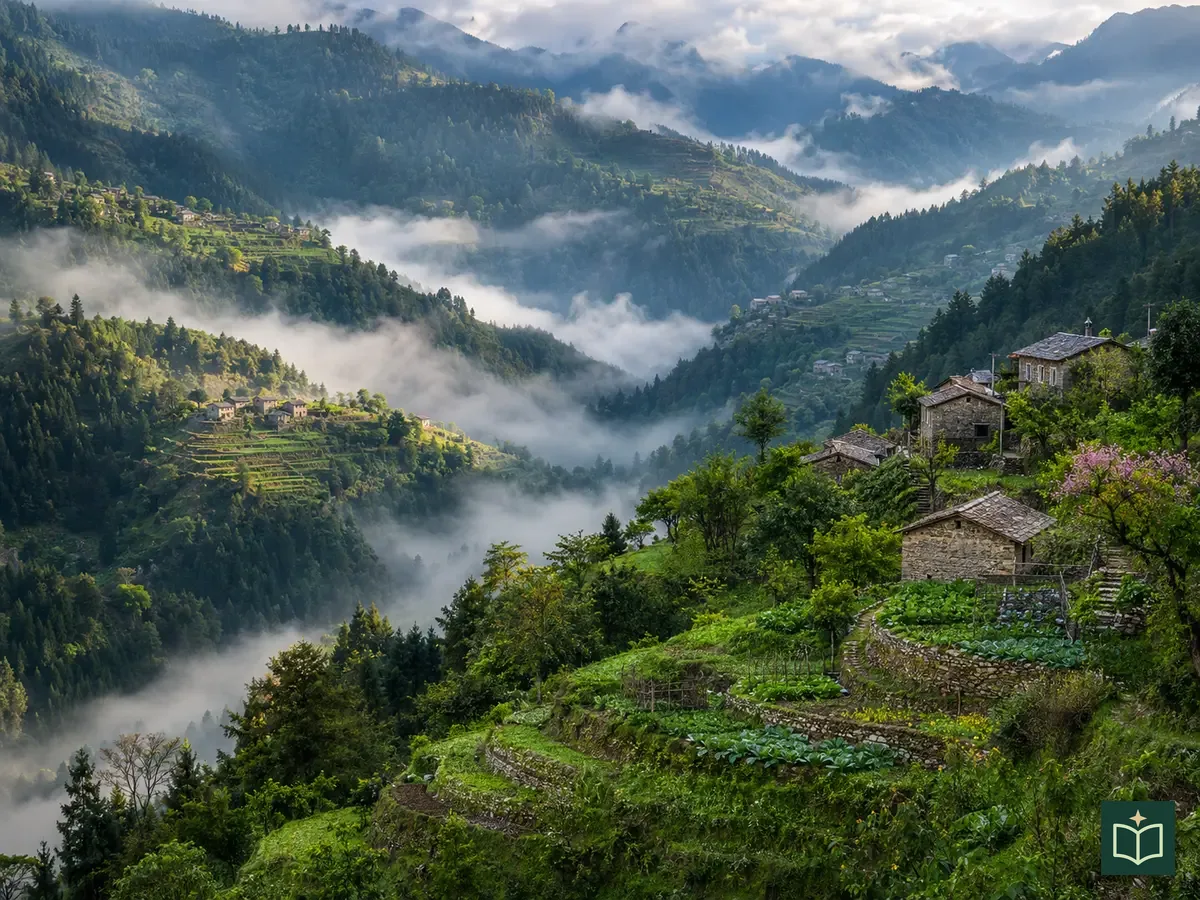
The Aral Sea lies in Central Asia, on the border between Kazakhstan and Uzbekistan, in a basin with no outlet to the ocean. For thousands of years it was fed by two great rivers, the Amu Darya and the Syr Darya, which carry snowmelt and glacier water from the Pamir and Tian Shan mountains across hundreds of kilometres of desert. In 1960 the lake covered roughly 68,000 square kilometres, ranking among the four largest lakes in the world, and supported a substantial fishing industry. Ports such as Aralsk in the north and Moynaq in the south shipped fish across the Soviet Union.
Water for cotton
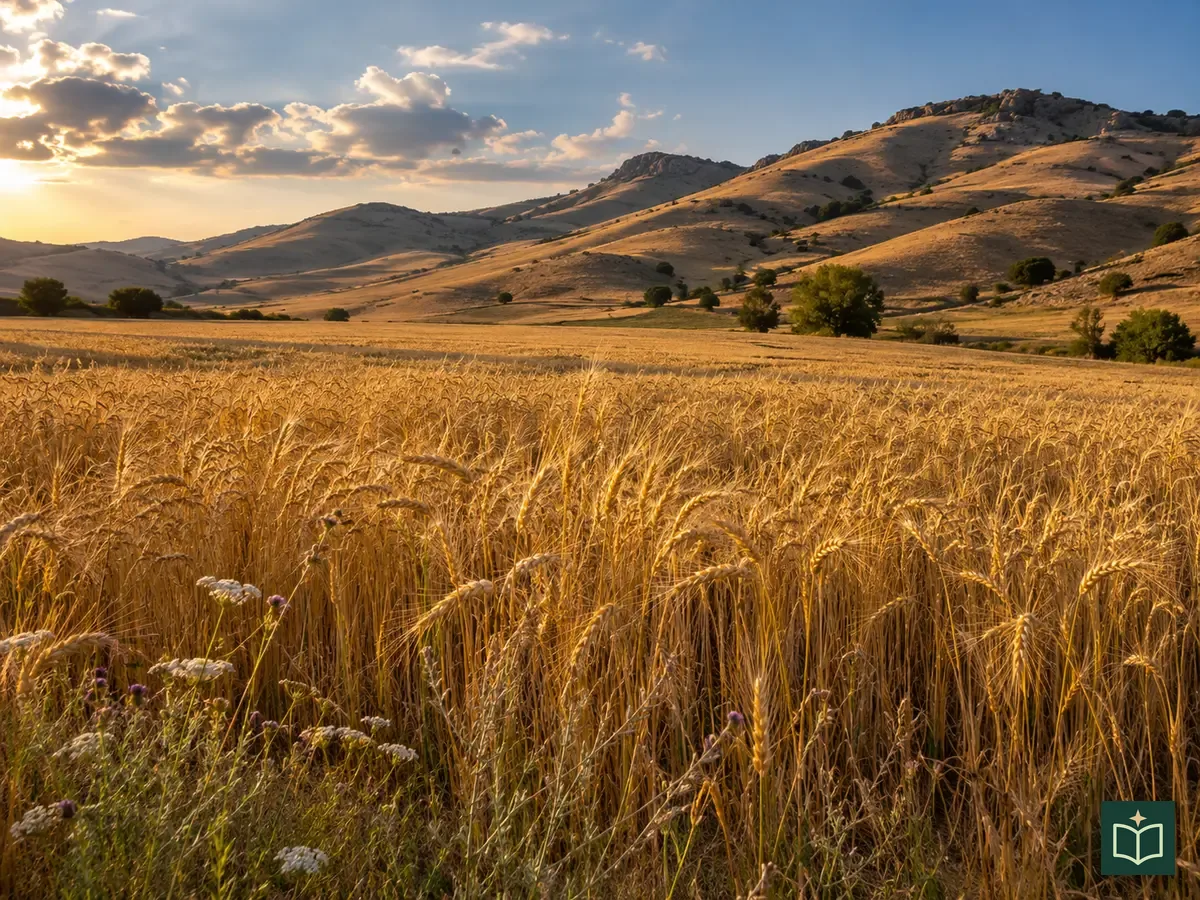
From the 1960s onwards, Soviet planners greatly expanded irrigated agriculture in Central Asia, particularly cotton, by building canals that drew water from both rivers. The Karakum Canal in Turkmenistan, one of the longest irrigation canals in the world, carried Amu Darya water far to the west. Many canals were unlined, and large amounts of water were lost to seepage and evaporation before reaching fields. As the irrigated area grew, the volume of water reaching the Aral Sea fell sharply, in some years to a small fraction of earlier levels. Because the lake had no outlet, its level depended entirely on that inflow, and it began to fall.
Splitting apart
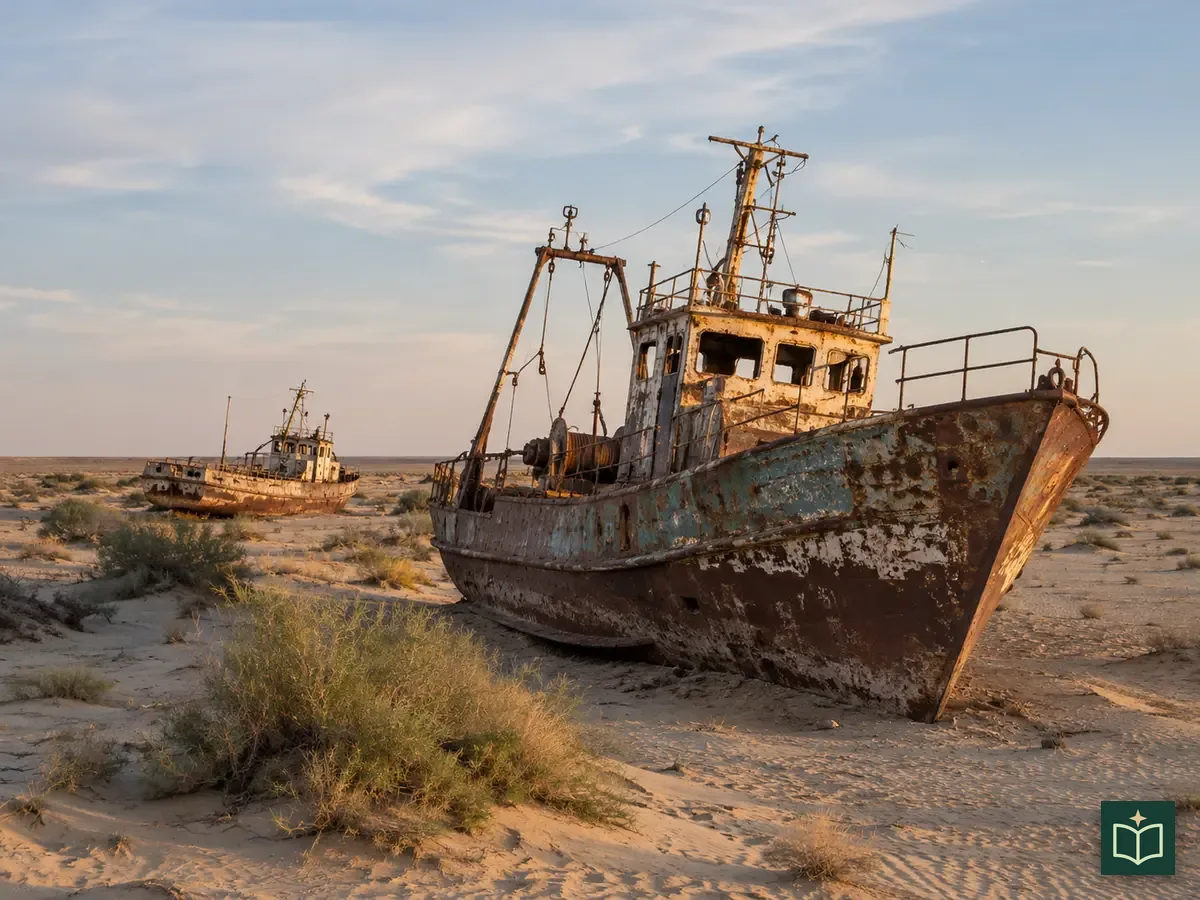
By the late 1980s the Aral Sea had divided into a smaller northern lake, fed by the Syr Darya, and a larger southern lake. The southern part continued to shrink and later split into western and eastern basins. NASA satellite images showed the eastern basin almost completely dry in 2014, for the first time in modern history. Moynaq, once a busy port, ended up many tens of kilometres from the water, and rusting fishing boats on the dry seabed became a worldwide symbol of environmental change. Salinity in the remaining southern waters rose far above that of the ocean, wiping out most native fish.
A new desert
The exposed seabed, now often called the Aralkum Desert, covers tens of thousands of square kilometres. It is coated with salts and residues of agricultural chemicals carried by the rivers over decades. Strong winds lift this material into dust storms that can travel hundreds of kilometres, affecting farmland and air quality. The local climate has also become more extreme, with hotter summers and colder winters, because the moderating influence of a large body of water has diminished. Studies have reported health problems in the surrounding region, especially in Karakalpakstan in Uzbekistan, and the collapse of fishing drove many people to leave.
A partial recovery
In 2005, Kazakhstan completed the Kokaral dam, supported by the World Bank, to separate the northern Aral Sea from the southern basins and hold back the Syr Darya’s inflow. Together with improvements to the river channel, the dam allowed the northern lake to rise and its salinity to fall. Fish returned, including commercially valuable species, and the shoreline moved back towards Aralsk. The northern recovery is modest compared with the original lake, but it showed that ecosystems can respond when water returns. Plantings of salt-tolerant shrubs such as saxaul on the dry seabed have also been used to stabilise soils and reduce dust.
Lessons for water planners
The Aral Sea is often cited as one of the most dramatic human-caused environmental changes of the twentieth century. Its lesson applies widely: terminal lakes, those without outlets, depend on the balance between inflow and evaporation and can shrink rapidly when upstream use grows. Similar pressures have affected Lake Urmia in Iran and the Great Salt Lake in the United States. Restoring such lakes requires difficult choices about irrigation, crops and water sharing between regions or countries. For the five Central Asian states that share the Aral basin, cooperation on water management remains central to the region’s future. Its shores remain a sobering destination for researchers and visitors alike.
Sources & further reading
Figures are rounded and widely published; check the linked organisations for the latest editions. These organisations do not endorse this website.