An ancient material
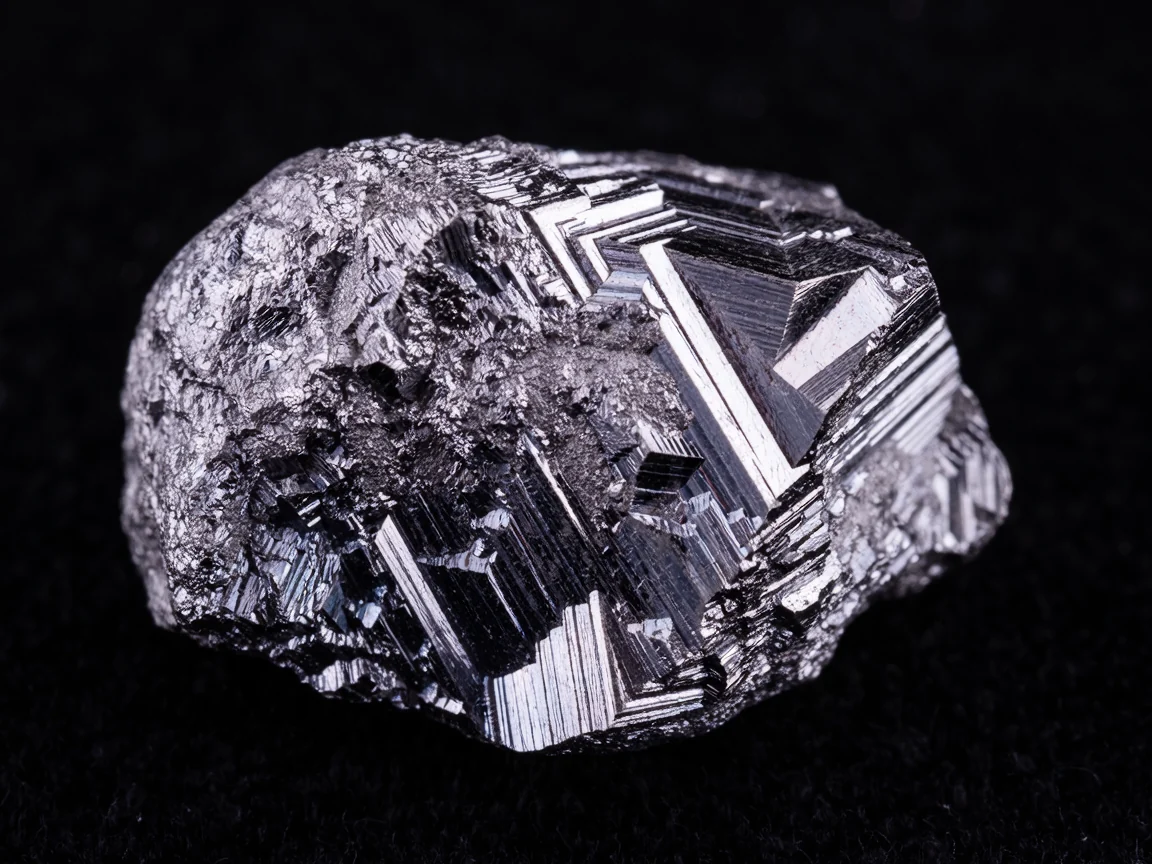
Antimony has been used for thousands of years. Ground stibnite, a dark antimony sulphide, was used as kohl, an eye cosmetic, in ancient Egypt and across the Middle East. Medieval alchemists studied the element, and printers later added it to lead type metal to make crisp letters that resisted wear.
Fighting fire
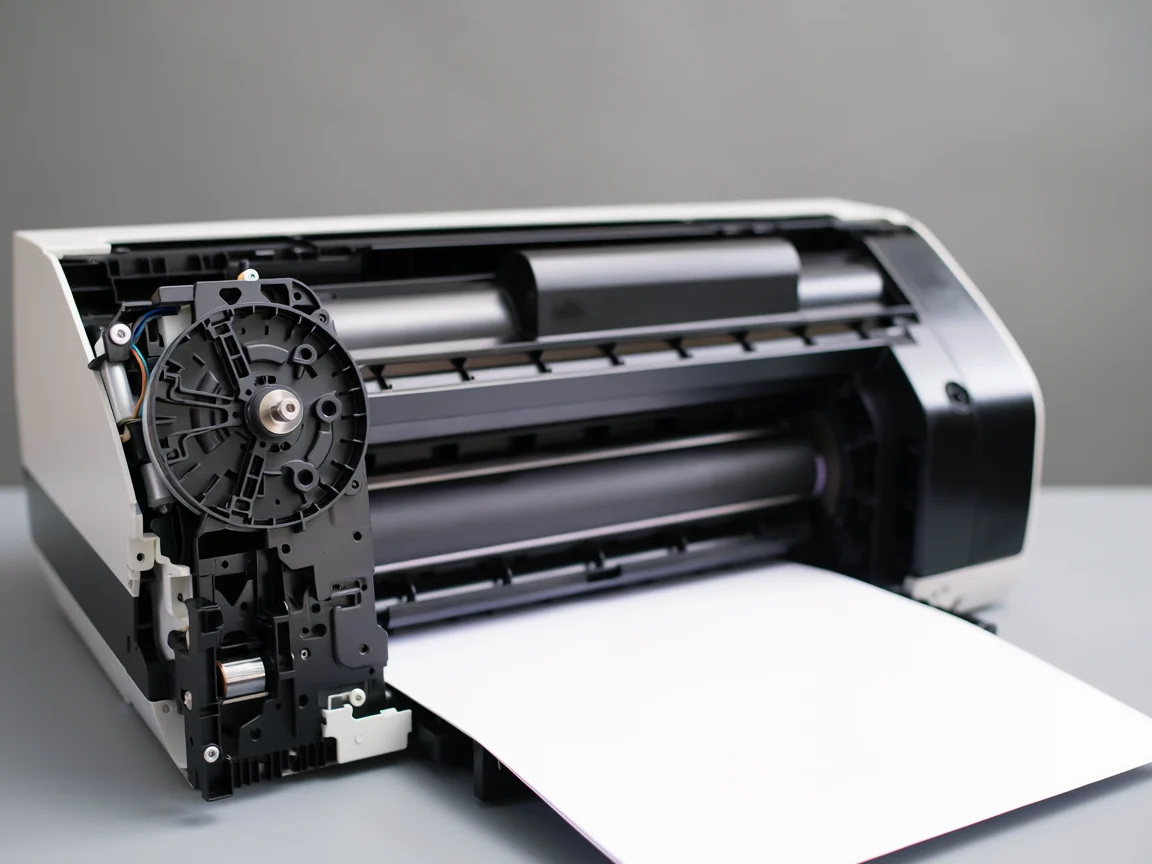
The biggest modern use is in flame retardants. Antimony trioxide works together with halogen-containing compounds to interrupt the chemical reactions of burning. It is added to plastics in electronics, cable insulation, textiles and building materials to help them meet fire-safety standards.
Batteries, glass and more
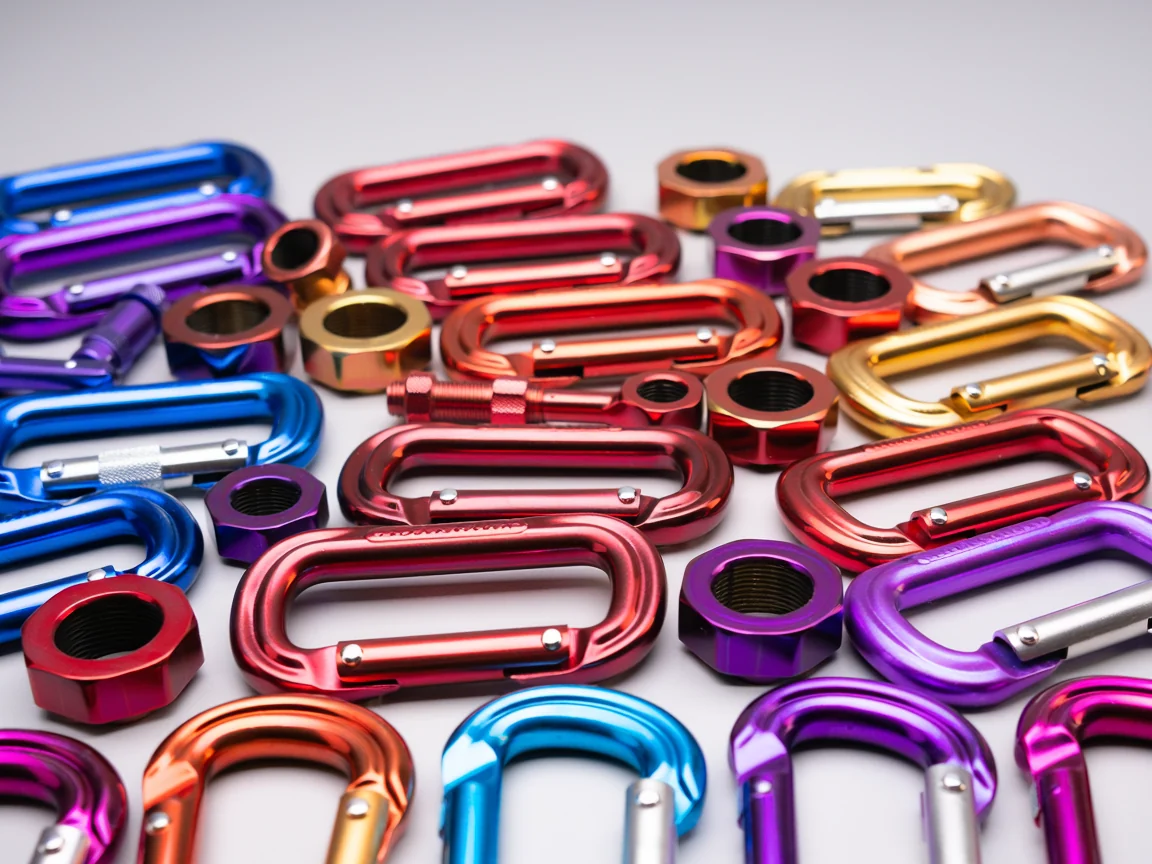
Antimony hardens lead in lead–acid car batteries. It is also used to clarify glass, including special glass for solar panels, as a catalyst in making PET plastic, and in small amounts in semiconductors and military applications such as ammunition primers.
A strategic metal
Production is concentrated in a few countries, led by China, followed by Russia and Tajikistan. Export restrictions and rising demand have pushed prices up and prompted governments to list antimony as a critical mineral and to explore new mines elsewhere. Recycling, mainly from old lead batteries, provides some supply.
Sources & further reading
Use shares are approximate and change over time. Photograph: original AI-generated illustration (Adobe Firefly). Reference organisations do not endorse this website.