Fresh in, salt left behind
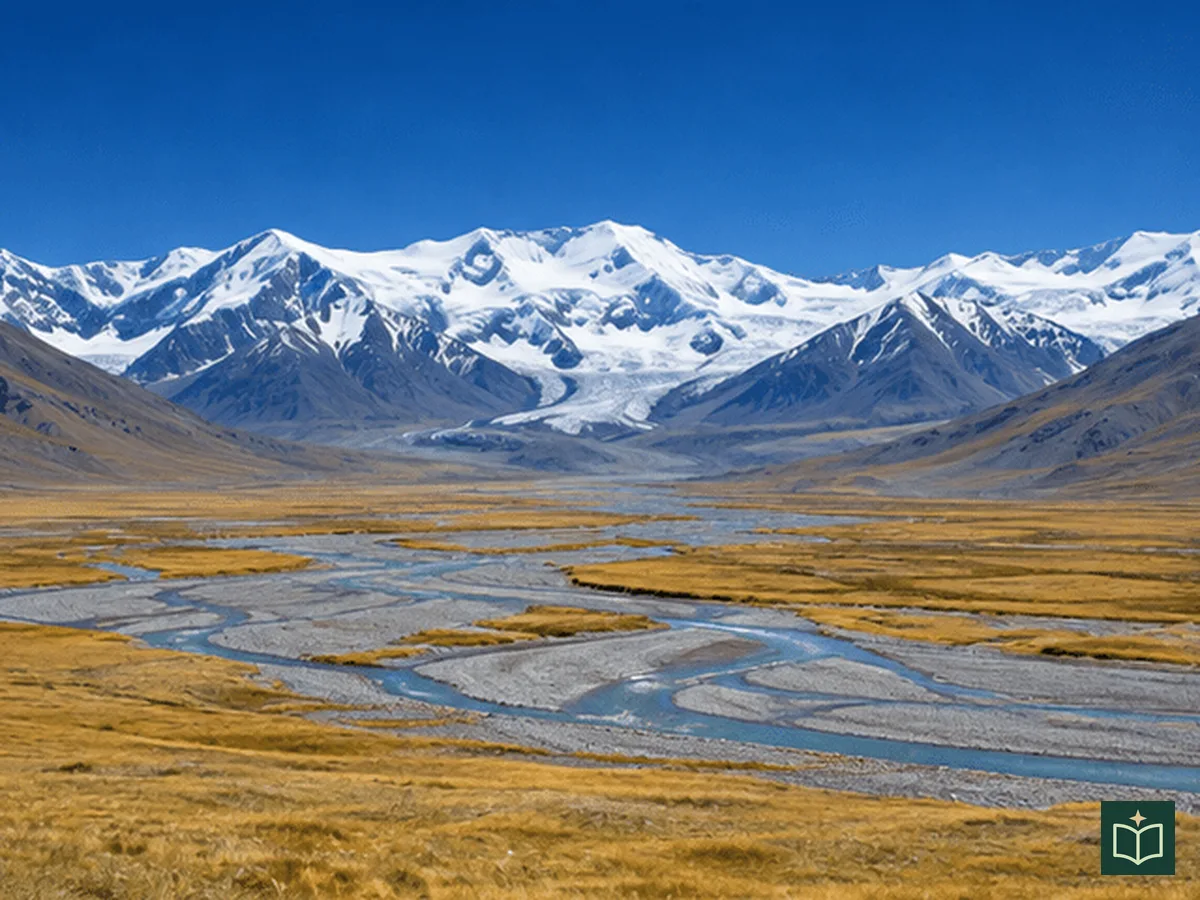
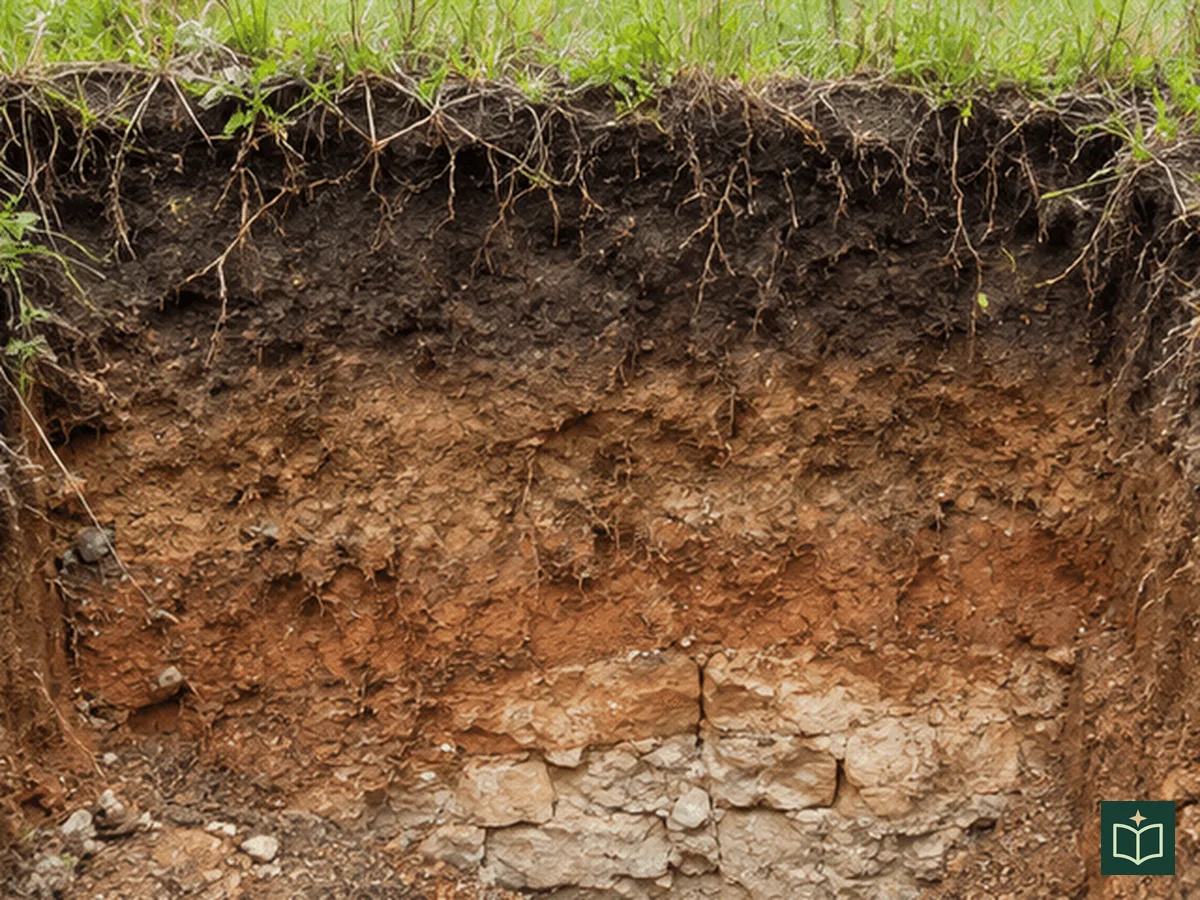
River water tastes fresh, but it is never pure. As rain soaks through soil and rock, it dissolves small amounts of sodium, chloride, calcium, magnesium and other ions, and rivers carry these into lakes. A lake with an outlet passes most of that salt downstream, so it stays fresh. A lake with no outlet, in a closed or endorheic basin, loses water only by evaporation, and evaporation removes almost pure water while leaving salts behind. Year after year the dissolved load builds up. In a dry climate, over thousands of years, the result can be water far saltier than the ocean, with crusts of salt along its shores.
The simple arithmetic of shrinking
Salinity is a concentration: the mass of salt divided by the volume of water. If a lake loses half its water to evaporation while its salt stays put, the concentration doubles. That is why salt lakes respond so sharply to drought and to water taken from their rivers. Seawater averages about 3.5 per cent salt. The north arm of the Great Salt Lake has at times reached saturation at roughly 27 per cent, nearly eight times as salty as the ocean. When salinity passes the saturation point, the water cannot hold any more, and crystals of salt begin to form on the lake bed and shoreline.
Great Salt Lake
Utah’s Great Salt Lake is the shrunken remnant of Lake Bonneville, a vast Ice Age lake that once covered much of the region. Today it has no outlet and its level rises and falls with snowmelt and water use upstream. A railway causeway built across the lake in 1959 split it into two parts: the south arm, fed by most rivers, is less salty, while the cut-off north arm is so salty that salt-loving microbes turn it pink and red. Brine shrimp thrive in the south and feed millions of migrating birds. Record lows in recent years have raised concerns about exposed lake bed and dust.
Lake Assal, below the sea
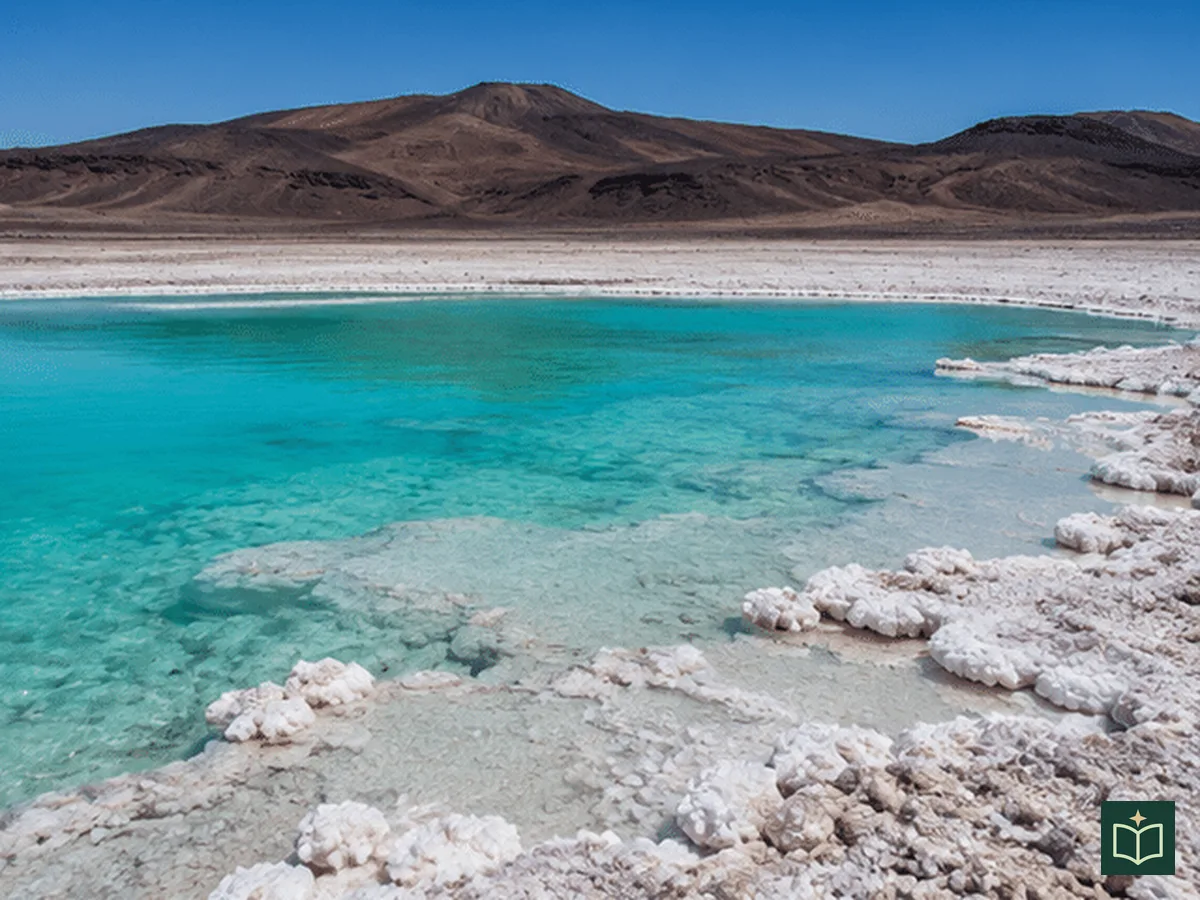
In Djibouti, Lake Assal lies about 155 metres below sea level, the lowest point in Africa, in a rift where the crust is pulling apart. It is fed not by rivers but largely by seawater seeping underground from the nearby Gulf of Tadjoura through fractured volcanic rock. In a scorching climate, evaporation is intense, so the water reaches around ten times the salinity of the ocean, among the highest of any lake on Earth. Thick banks of white salt surround the turquoise water, and caravans have carried salt from its shores for centuries. Lake Assal shows that a salt lake can be fed by the sea itself.
Lake Urmia’s warning
Lake Urmia in north-western Iran was once one of the largest salt lakes in the world. From the late 1990s it shrank dramatically, losing most of its surface area at its lowest point in the 2010s. Studies blame a combination of drought, rising temperatures, dams and heavy use of river water for irrigation upstream. As the lake shrank, its salinity rose sharply, harming the brine shrimp at the base of its food web, and the water sometimes turned red from salt-loving algae and bacteria. Exposed salt flats raised fears of salt storms. Restoration programmes have since aimed to return more water to the lake, with mixed results.
Why salt lakes matter
Salt lakes are more than curiosities. They are among the most productive places on Earth for brine shrimp and brine flies, which in turn feed huge flocks of flamingos, grebes and gulls. Their brines are mined for salt, potash, magnesium and lithium. They also behave like rain gauges for whole regions: because they have no outlet, their level records the balance between inflow and evaporation. When they shrink, the exposed lake bed can release dust carrying salt and pollutants, as at the Aral Sea. Managing how much water reaches them is therefore a question about human health and agriculture, not only about wildlife.
Sources & further reading
Figures are rounded and widely published; check the linked organisations for the latest editions. These organisations do not endorse this website.