An invisible resource
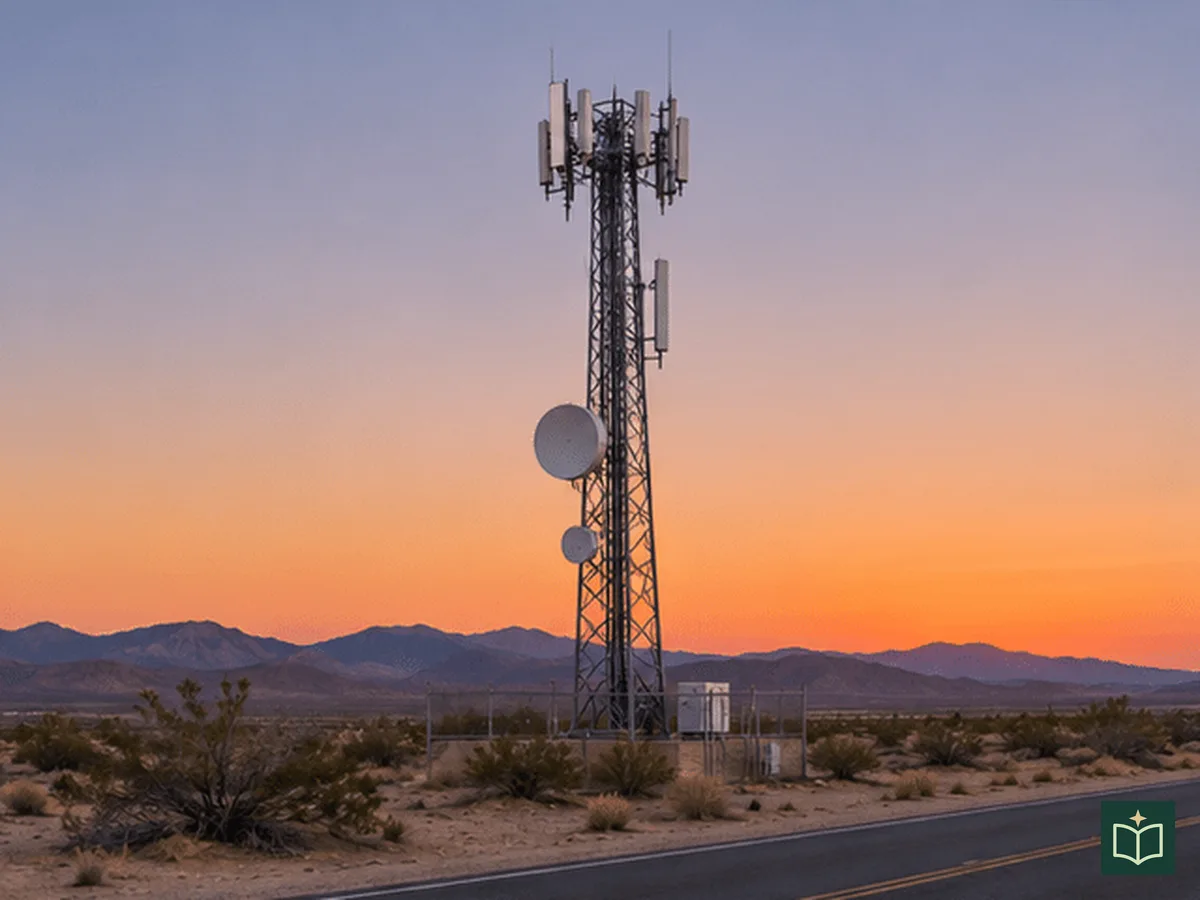
Every wireless device, from a car key to a weather satellite, communicates using radio waves at particular frequencies, measured in hertz, or cycles per second. The range of usable frequencies is called the radio spectrum. It is invisible, but it behaves like a scarce resource. Two transmitters using the same frequency in the same area at the same time interfere, much as two people shouting on one telephone line would drown each other out. And not every frequency is equally useful, because each band has different physical properties. Mobile networks, broadcasters, aircraft, ships, satellites, the military, emergency services and scientists all want the best portions. Something has to decide who gets what.
Low, middle and high bands
Frequency shapes behaviour. Lower frequencies, below about 1 gigahertz, travel long distances and pass through walls well, making them ideal for rural mobile coverage and broadcasting, but they offer little room for carrying data. Higher frequencies carry far more data, yet fade faster and are easily blocked by buildings, rain, trees and even people. The wavelength, the distance between wave peaks, shrinks as frequency rises: about 43 centimetres at 700 megahertz, roughly 8.6 centimetres at 3.5 gigahertz, and around 1 centimetre at 28 gigahertz. That is why 5G networks combine bands. Mid-range frequencies such as 3.5 gigahertz have become especially prized, balancing coverage and capacity.
Who decides
Radio waves cross borders, so rules start internationally. The International Telecommunication Union, a UN agency, maintains the Radio Regulations, a treaty dividing the spectrum into bands for broad services such as mobile, broadcasting, aeronautical and satellite use. Every three to four years, a World Radiocommunication Conference updates those rules; the 2023 conference was held in Dubai. Some bands are protected for safety, including those used for air traffic control, maritime distress calls and satellite navigation, and certain frequencies are kept quiet for radio astronomy. Within these frameworks, each country's regulator decides who may use which band. In the UAE that responsibility rests with the Telecommunications and Digital Government Regulatory Authority.
Licences and auctions
Because spectrum is limited and valuable, governments usually license it. In the past many awarded licences by administrative decision or contest. In 1994 the United States began auctioning licences, letting operators bid for exclusive rights, and many countries followed. Auctions can raise large sums: in 2000 the United Kingdom's auction of 3G mobile licences raised about £22.5 billion, a figure that later burdened the winning operators with heavy debts. Critics argue that high prices can slow network investment, while supporters say auctions put spectrum in the hands of those who value it most. Many countries still assign some bands through administrative processes, and regulators attach coverage or quality obligations to licences.
Squeezing in more
Scarcity drives clever engineering. Mobile networks reuse the same frequencies in different cells, keeping each transmitter's power low enough not to disturb neighbours, which is why more, smaller cells add capacity in busy cities. Better coding and antenna techniques pack more data into each hertz. Some bands are unlicensed, open to anyone using approved low-power equipment, which is how Wi-Fi and Bluetooth flourish in the 2.4 and 5 gigahertz bands. Regulators also move users around: when television switched from analogue to digital broadcasting, it needed less spectrum, freeing valuable low frequencies for mobile data in many countries, sometimes called the digital dividend. Newer sharing schemes let different users take turns in the same band.
Why it keeps getting harder
Demand keeps rising faster than new spectrum can be found. Mobile data use grows year after year, satellite internet constellations need frequencies for thousands of spacecraft, and new uses from drones to connected cars all want reliable links. Every reallocation creates winners and losers, and existing users, from broadcasters to weather radars and satellite operators, argue that interference could harm their services. Those disputes are technical, commercial and sometimes geopolitical, and they are worked out at international conferences and in national consultations. For ordinary users, spectrum policy is invisible, but it shapes how fast their phones are, how much they pay for data and whether coverage reaches remote roads and desert areas.
Sources & further reading
- ITU · Radiocommunication Sector (ITU-R) ↗
- UAE TDRA · Telecommunications and Digital Government Regulatory Authority ↗
Figures are rounded and widely published; check the linked organisations for the latest editions. These organisations do not endorse this website.