What makes a desert
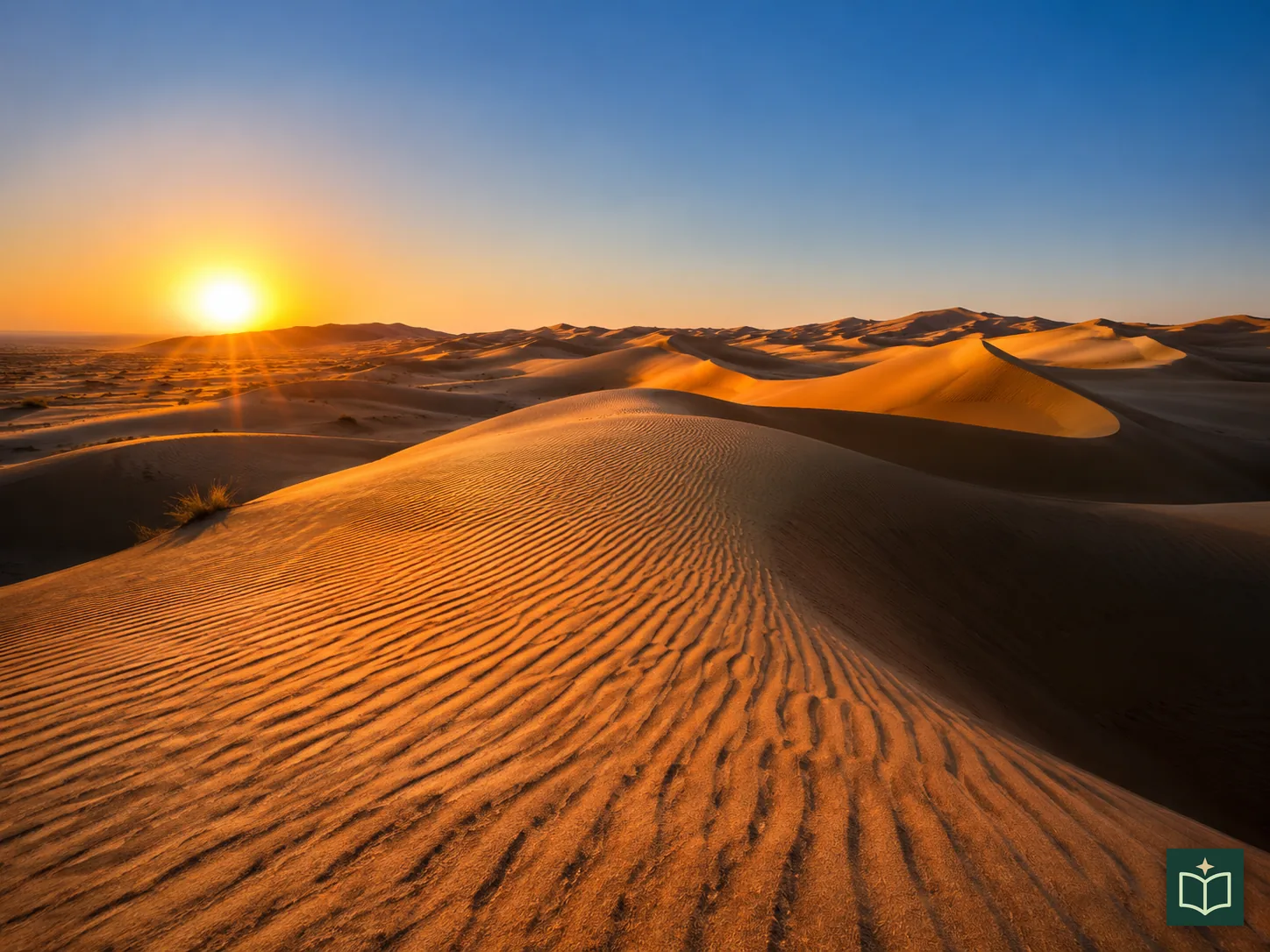
Geographers usually define a desert as a place receiving less than about 250 millimetres of precipitation a year, or where evaporation far exceeds rainfall. That definition includes cold places: Antarctica is the largest desert on Earth. Only around a fifth of the world’s deserts are covered by sand dunes; many are rocky plains and gravel.
The subtropical highs
The biggest hot deserts—the Sahara, the Arabian, the Kalahari and the Australian deserts—sit near 30° latitude. Air that rose and rained over the tropics descends there in what scientists call the Hadley circulation. Sinking air compresses and warms, which stops clouds from forming, leaving clear skies and very little rain.
Rain shadows and cold coasts
Mountains create rain shadows: moist air rises over the range, rains on the windward side and arrives dry on the other side, as with the Gobi Desert north of the Himalaya and Tibetan Plateau. Cold ocean currents also make deserts, such as the Atacama and Namib, by cooling the air above them and making rainfall rare. Some deserts are simply very far from any sea.
Life adapts
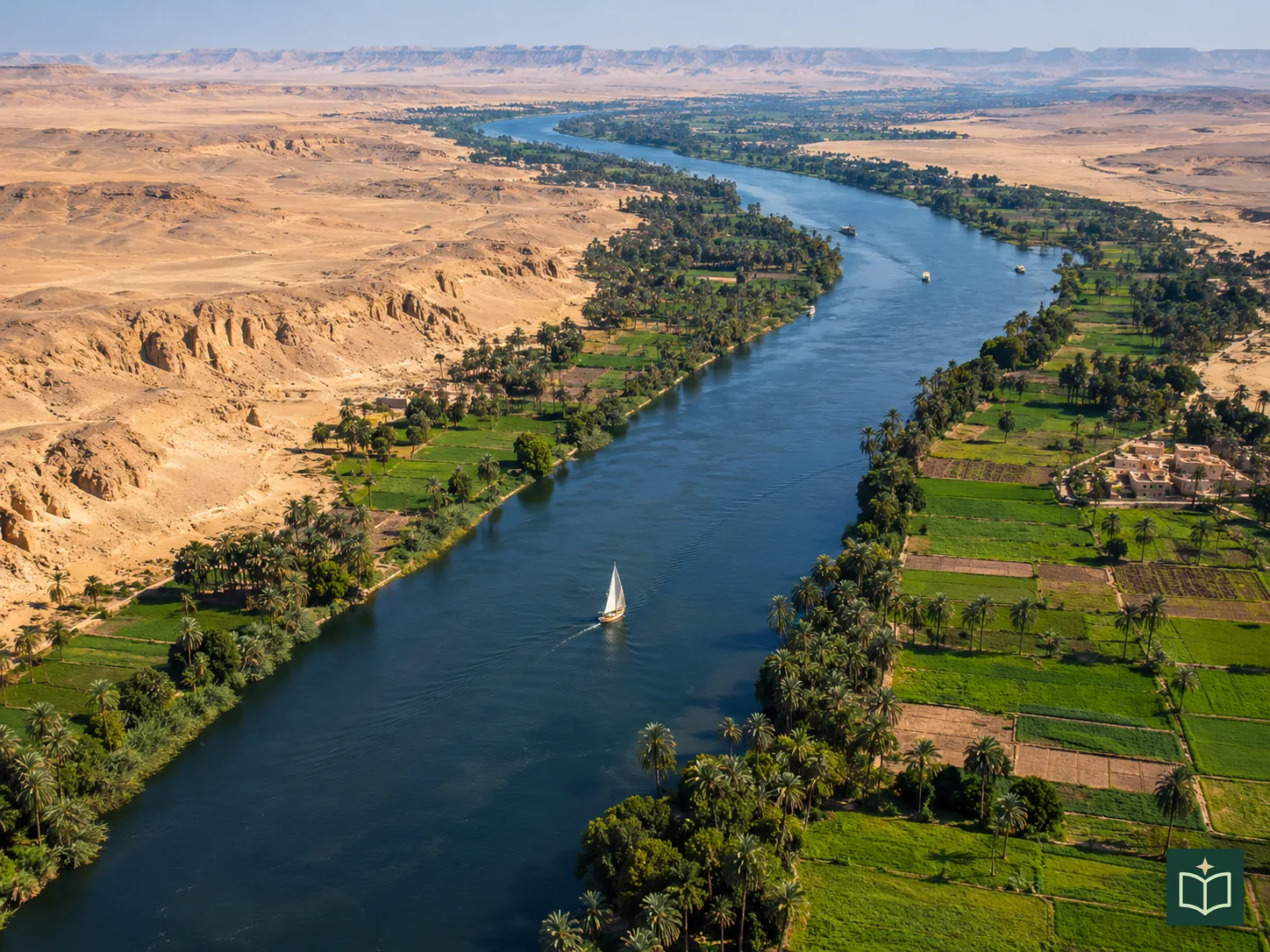
Deserts are far from empty. Plants store water, close their pores by day or race through life cycles after rare rains. Animals, from camels to the Arabian oryx, conserve water and avoid daytime heat. Human communities developed oases, underground channels such as the aflaj in Oman and the UAE, and trade routes linking scattered water sources.
Sources & further reading
Figures are rounded and widely published; check the linked organisations for the latest editions. These organisations do not endorse this website.