The body's largest internal organ
The liver sits under the right side of the ribcage and weighs about 1.5 kilograms in an adult, making it the heaviest organ inside the body. It is often credited with more than 500 separate functions. Unusually, it has two blood supplies. The hepatic artery brings oxygen-rich blood from the heart, while the larger portal vein carries blood straight from the stomach and intestines, loaded with whatever has just been absorbed. That plumbing places the liver as a checkpoint between the gut and the rest of the body. Its working units are tiny six-sided lobules, each built from rows of liver cells, called hepatocytes, lined by blood channels.
A fuel store
After a meal, sugar floods into the blood. The liver takes up much of it and links the glucose molecules into chains of glycogen, a compact storage form. Between meals and overnight, it breaks the glycogen back down and releases glucose to keep blood sugar steady, which is vital for the brain. When glycogen runs low during a long fast, the liver makes fresh glucose from building blocks such as amino acids and turns fats into ketones, an alternative fuel for muscles and brain. It also stores vitamins A, D and B12 and iron. Hormones, chiefly insulin and glucagon from the pancreas, tell the liver whether to store or release fuel.
A factory and a drain
The liver manufactures many of the proteins in blood plasma. Albumin, the most abundant, holds water inside blood vessels and carries hormones and drugs. Most of the clotting factors that seal a cut are also made here, which is why severe liver disease can cause easy bleeding. The liver makes cholesterol and packages fats for transport. It also produces bile, a greenish fluid of bile salts, water and waste pigments, at a rate of several hundred millilitres a day. Bile is stored in the gallbladder and squeezed into the intestine after a meal, where its salts break fats into tiny droplets that digestive enzymes can attack.
Neutralising toxins and medicines
Many substances that enter the body are fat-soluble, so they cannot easily be flushed out in urine. The liver's enzymes, especially a family known as cytochrome P450, chemically alter these molecules and attach handles that make them water-soluble, ready to leave in bile or urine. This system processes alcohol, caffeine, environmental chemicals and most medicines. It is why doctors adjust some doses for people with liver disease, and why certain drugs interact with one another or with foods. The liver also converts ammonia, a toxic by-product of breaking down protein, into urea, which the kidneys then excrete. Old red blood cells are recycled, and their pigment ends up in bile.
An organ that regrows
The liver has a remarkable capacity to regenerate. If part of it is removed, the remaining cells start dividing again, and the organ can return to close to its original size within weeks to a few months, provided the remaining tissue is healthy. This is what makes living-donor liver transplants possible: a portion of a healthy adult's liver is transplanted into a patient, and both pieces grow. Surgeons can safely remove a large share of a healthy liver. The Greek myth of Prometheus, whose liver was eaten each day and regrew each night, is often cited as an uncanny coincidence. The new tissue restores mass and function rather than the original shape.
When the works are overloaded
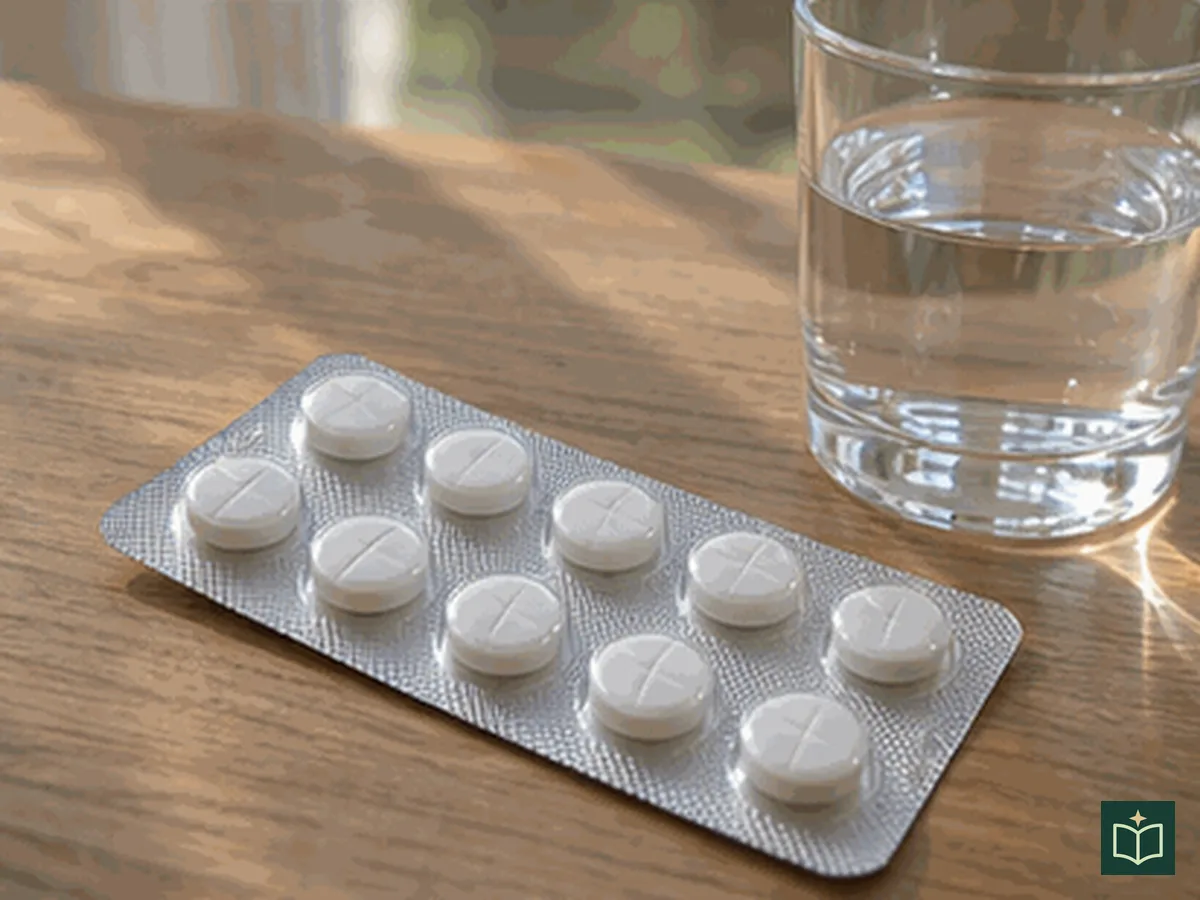
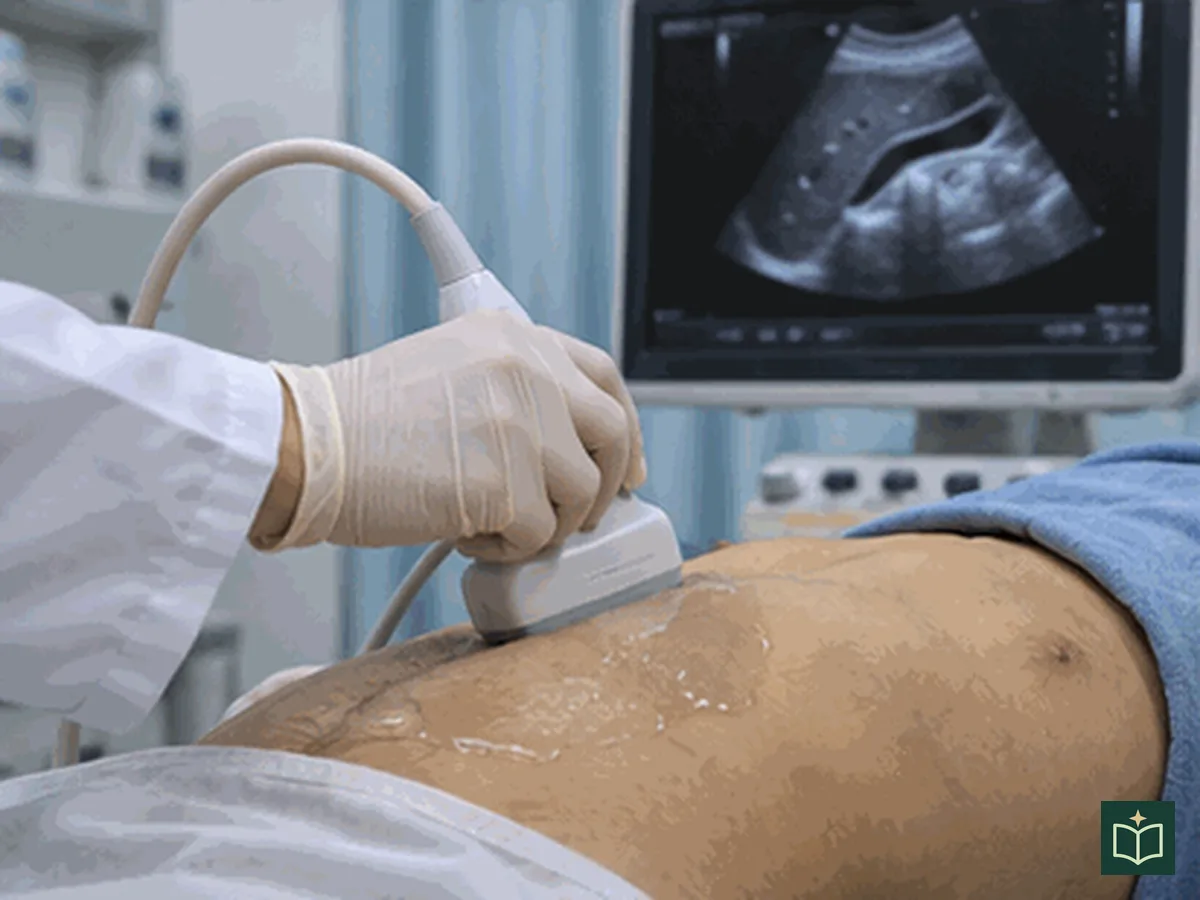
Regeneration has limits. Repeated injury from heavy alcohol use, viral hepatitis or the build-up of fat can cause scarring, called fibrosis, and eventually cirrhosis, in which scar tissue replaces working cells. Fatty liver disease linked to excess weight and type 2 diabetes has become very common worldwide, including in the Gulf, and often causes no symptoms for years. Overdoses of some medicines, notably paracetamol taken above the labelled dose, can severely damage the liver. Blood tests measuring liver enzymes help doctors spot problems early. Anyone with concerns about their liver health or medicine use should speak to a doctor or pharmacist rather than relying on general information.
Sources & further reading
Figures are rounded and widely published; check the linked organisations for the latest editions. These organisations do not endorse this website.