Molecules like beaded necklaces
A plastic is a material made mainly of polymers, molecules built by joining many smaller units, called monomers, end to end. Polyethylene, the most widely produced plastic, is made from ethylene, a small molecule of two carbon atoms and four hydrogen atoms. In the polymer, thousands of these units are linked into a chain, with a long backbone of carbon atoms. A useful picture is a beaded necklace in which every bead is identical. Nature makes polymers too: cellulose in wood, proteins and DNA are all long chains of repeating units. What distinguishes plastics is that they are mostly synthetic and can be moulded into shape, which is what the word plastic originally meant.
Where the raw materials come from
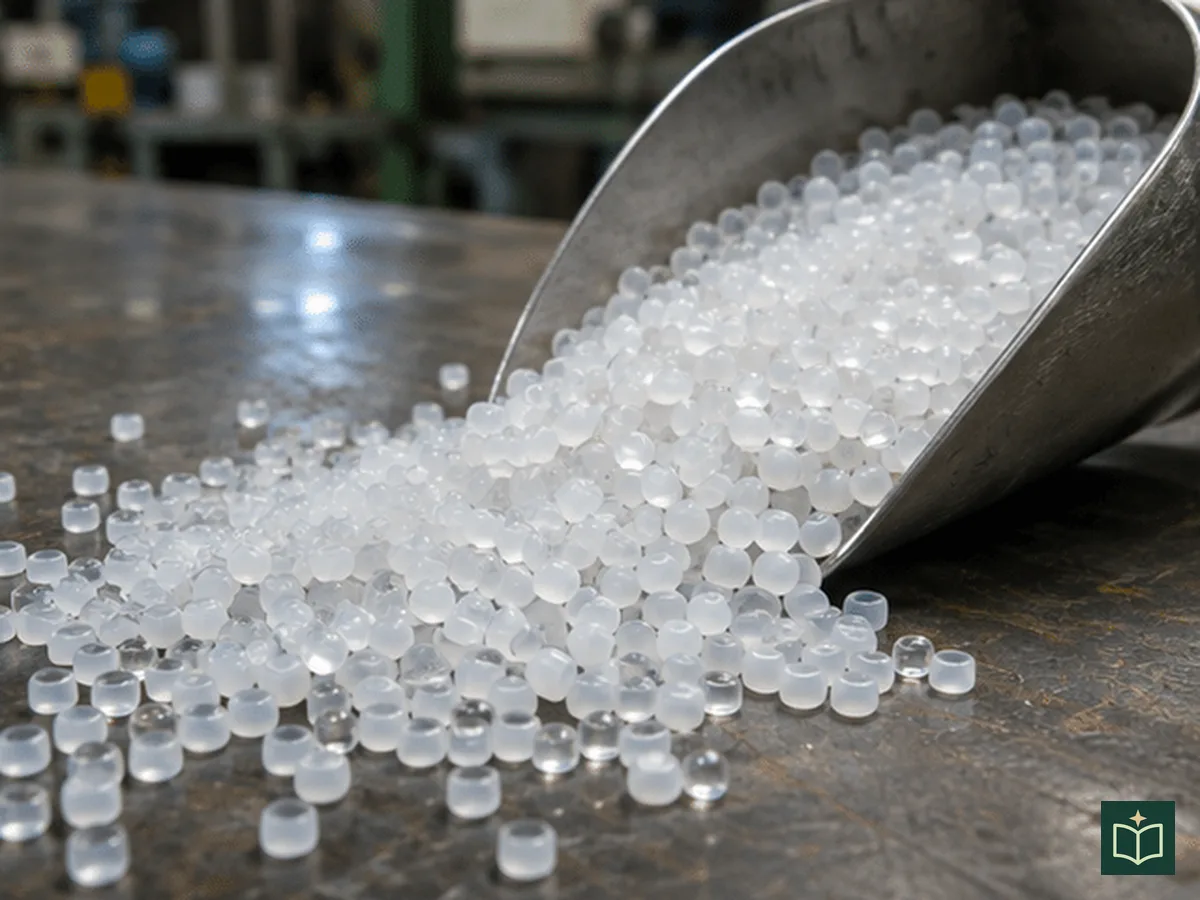
Most plastics today are made from fossil fuels. Ethane from natural gas or naphtha from crude oil is heated in huge plants called steam crackers, which break the molecules into ethylene, propylene and other building blocks. Catalysts then link these monomers into polymers, producing pellets that factories melt and shape. The Gulf is a major producer, with large petrochemical complexes in Saudi Arabia, the UAE and Qatar turning local gas into plastics for export, including at Ruwais in Abu Dhabi. Smaller amounts of plastic are made from plant sources such as sugar cane or corn starch, though bio-based does not always mean biodegradable.
Why plastics differ
Different monomers and chain arrangements give very different materials. Polyethylene can be made with straight chains that pack tightly, giving stiff high-density polyethylene for milk bottles, or with branched chains that pack loosely, giving soft, flexible low-density film. Polypropylene withstands heat and is used for food containers. PET, or polyethylene terephthalate, makes clear, strong drinks bottles and polyester clothing fibres. PVC is rigid in pipes but flexible when softeners are added. The numbers from 1 to 7 in a triangle on many products identify these main types for recycling. Additives such as colourings, stabilisers and flame retardants further change their properties.
Melt or set
Plastics fall into two broad families. Thermoplastics, which include polyethylene, polypropylene, PET and PVC, consist of separate chains held together by relatively weak forces. Heat lets the chains slide past each other, so the material softens and can be remoulded, which is what makes them recyclable in principle. Thermosets are different: during manufacture their chains are chemically cross-linked into a single rigid network, so once set they cannot be melted again and char instead. Epoxy resins, melamine kitchenware and the first fully synthetic plastic, Bakelite, invented by Leo Baekeland in 1907, belong to this family. Polyethylene itself was discovered by accident at a British chemical company in 1933.
Why plastics last
Natural polymers break down because microbes have evolved enzymes to digest them over millions of years. Most synthetic plastics are new, and their long carbon backbones with few weak points offer microbes little to attack. Instead of decaying, plastics exposed to sunlight, heat and abrasion become brittle and fragment into smaller and smaller pieces. Particles smaller than five millimetres are called microplastics, and they have been found in oceans, soils, Arctic ice, food, drinking water and human tissue. Scientists have discovered some bacteria and fungi with enzymes able to break down certain plastics such as PET, but these work slowly and are being studied as possible recycling tools.
A material in question
Plastic production has grown enormously since the 1950s, reaching more than 400 million tonnes a year. Its benefits are real: light packaging reduces food waste and fuel use, and plastics are vital in medicine, cars and electronics. But the OECD has estimated that only about 9 per cent of plastic waste is recycled globally, partly because mixed and contaminated plastics are hard to process. Governments, including in the UAE, have restricted single-use plastic bags and other items, and countries have been negotiating a global plastics treaty. The chemistry that makes plastic durable is the same chemistry that makes managing its waste one of the most persistent environmental challenges.
Sources & further reading
Figures are rounded and widely published; check the linked organisations for the latest editions. These organisations do not endorse this website.