What a window is
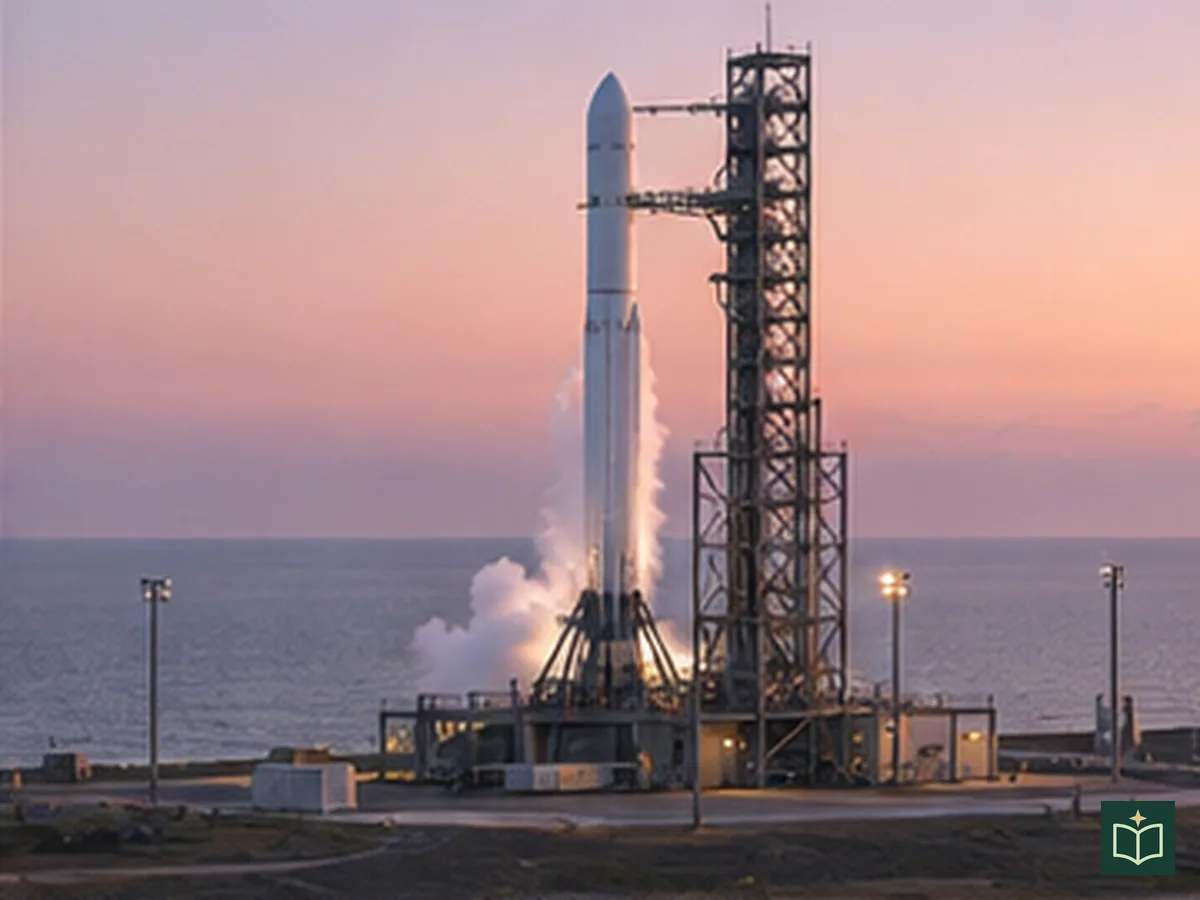
A launch window is the span of time during which a rocket can lift off and still reach its intended destination with the fuel it carries. Windows can be generous or extremely tight. A satellite heading for a broad orbit around Earth might have a window lasting a couple of hours. A mission to a space station may have only an instant, because the rocket must chase a target that is circling the planet at about 28,000 km/h. Missions to other planets have two layers of timing: a period of weeks every year or two when the planets are well placed, and a daily window within it.
Why the Earth's spin matters
A launch pad is carried around by the Earth's rotation once a day. An orbit, by contrast, is a fixed ring in space, tilted at a particular angle. A rocket can reach that ring most efficiently when the pad passes beneath it. Launch a few minutes too early or too late, and the rocket would have to turn sideways in flight to reach the right plane, which costs a great deal of fuel. That is why missions to the International Space Station often have what engineers call an instantaneous window: the rocket must leave at a planned second, or wait until the geometry comes round again.
Planets keep their own calendar
For interplanetary missions, the positions of the planets matter most. The most fuel-efficient route from Earth to Mars uses a transfer orbit that arrives where Mars will be months later, not where it is at launch. That alignment comes around roughly every 26 months. The UAE's Hope probe, the Emirates Mars Mission, used one such opportunity in July 2020, lifting off from Japan and entering orbit around Mars in February 2021. Two other missions, from China and the United States, launched in the same weeks for the same reason. Missing the window would have meant waiting about two years for the next one.
Hold, scrub and recycle
Launch-day language has precise meanings. A hold is a planned or unplanned pause in the countdown, often to check a reading or wait for weather to clear. A recycle means the countdown is wound back to an earlier point and run again, while time remains in the window. A scrub means the attempt is called off for that window altogether. Common causes include high winds at altitude, lightning risk, a ship or aircraft straying into the danger area, or a sensor giving an unexpected reading. Scrubs are routine and usually say more about caution than about a serious fault with the rocket.
Why delays cascade
Because windows depend on geometry, a scrub does not always mean trying again the next day. A rocket bound for a space station may have to wait for a later date when the orbit lines up with the pad. Some rockets also need time to drain and reload super-cold propellants, to replace a component, or to wait for range crews to be available again. For planetary missions, a string of delays near the end of the window can push a launch back by years. This is why agencies often set a backup date in advance, and why a scrub announcement usually includes the next opportunity.
Reading a launch headline
When a headline reports a launch window, check how long it is and what sets it. A short window points to a precise target, such as a station or a particular orbit. Note the difference between a hold, which may resolve within minutes, and a scrub, which ends the attempt for that day. If a mission is heading to another planet, look for the closing date of the whole period, because that is the real deadline. Above all, treat a scrub as a normal part of spaceflight. Rockets operate close to the limits of engineering, and launch teams would rather wait than risk a failure.
Sources & further reading
Figures are rounded and widely published; check the linked organisations for the latest editions. These organisations do not endorse this website.