What producers' prices are
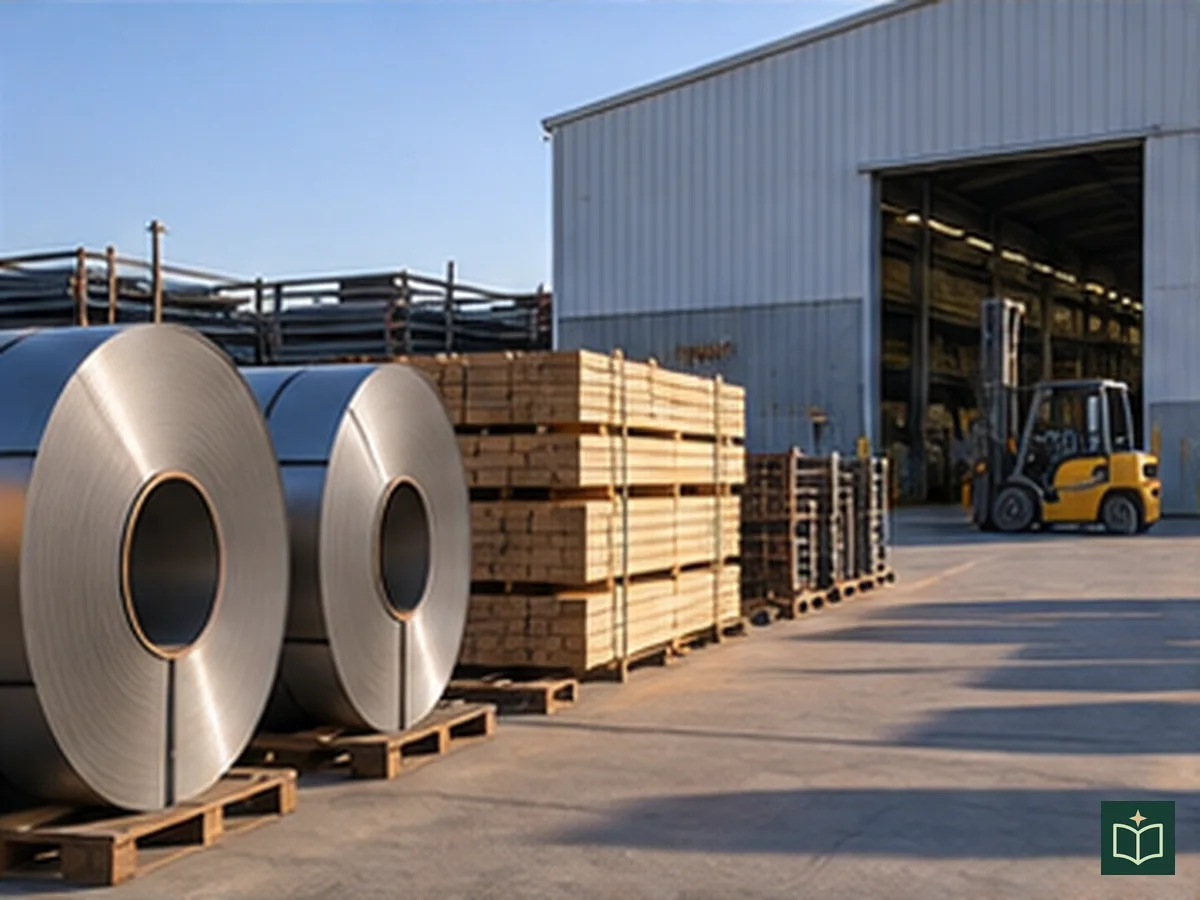
Producer price indices, or PPIs, measure the prices businesses receive for what they sell to other businesses, and in many countries also what they pay for their inputs. They are compiled monthly by national statistics offices: the Bureau of Labor Statistics in the United States, the Office for National Statistics in Britain and Eurostat for the European Union, among others. The prices are recorded without retail mark-ups or sales taxes. Britain's release famously uses the phrase factory gate prices for output prices, meaning the price of goods as they leave the factory. Input prices cover crude oil, metals, chemicals, electricity and parts bought from other firms.
How it differs from consumer inflation
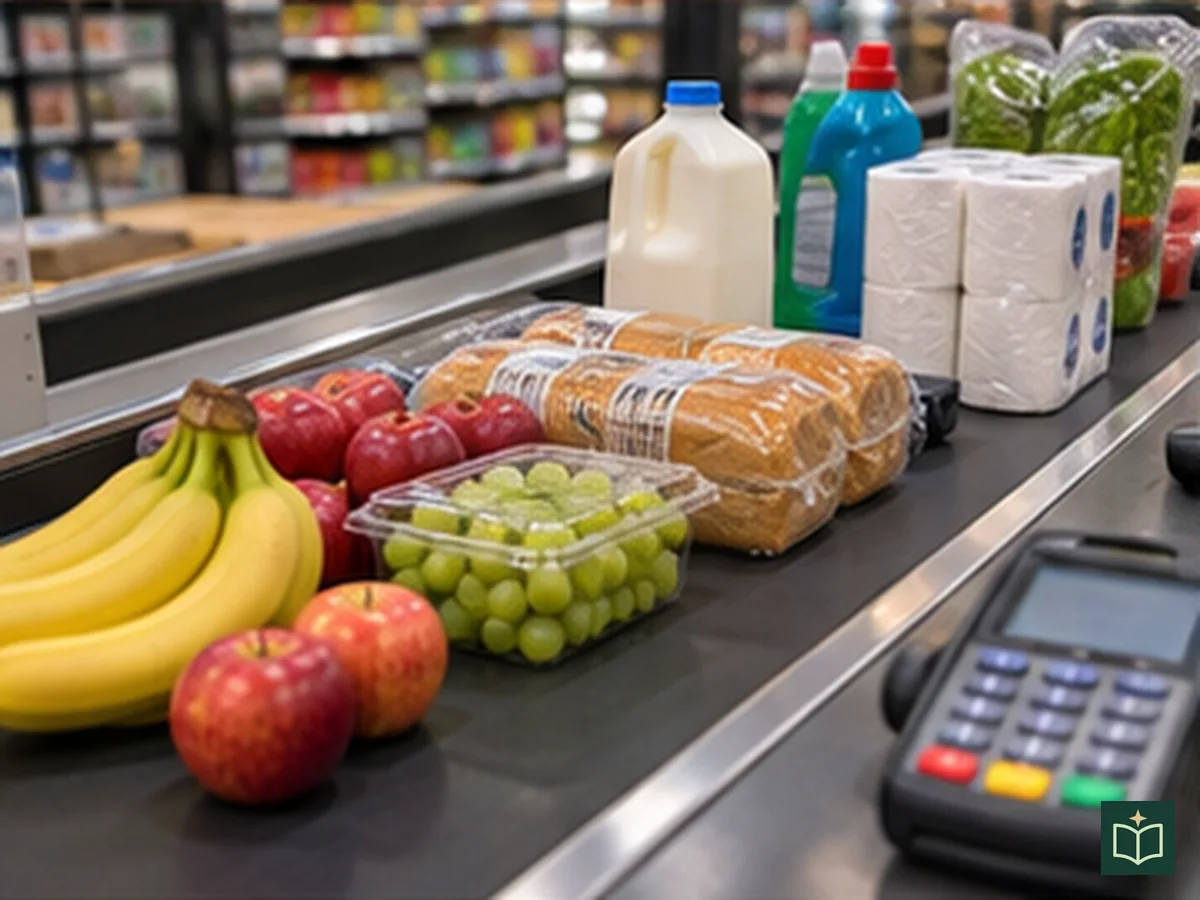
The consumer price index measures what households pay for a basket of goods and services, including rents, school fees, restaurant meals and haircuts. A PPI covers a different basket: many intermediate goods that consumers never buy directly, such as steel, cement or industrial chemicals. It also gives far more weight to energy and raw materials, and much less to services, though the US index now includes many services. As a result, producer prices are usually more volatile than consumer prices. A swing in the price of oil can move a PPI sharply in a single month while barely nudging the consumer figure.
The pipeline idea
Economists read PPIs as a guide to inflation in the pipeline. If manufacturers are paying much more for inputs, they may eventually raise their selling prices, and retailers may pass those on to shoppers. Consider a furniture maker whose costs are 20% wood. If the price of wood rises by 10%, its total costs rise by about 2%, all else equal. Whether shoppers see that depends on competition, contracts and how much margin the business is willing to absorb. In 2021 and 2022, sharp rises in producer prices in many economies preceded, and helped to forecast, the surge in consumer inflation that followed.
Why the link is loose
Pass-through from producer to consumer prices is partial and slow. Many firms buy inputs on long contracts or hedge against price swings, so costs reach them with a delay. Retail prices also include wages, rents, transport and profit margins, which may move differently from factory prices. Competition can force businesses to absorb higher costs, while weak demand can stop them raising prices at all. Imports complicate the picture: in an open economy such as the UAE's, shop prices depend heavily on prices in supplier countries and on exchange rates. For these reasons, a jump in producer prices is a warning sign, not a guarantee.
Reading the headline figures
A PPI release usually reports annual and monthly changes for headline indices, plus core versions that exclude volatile food and energy. In the United States, attention focuses on final demand prices, which include goods, services and construction. In Britain, the input and output series are reported separately. Falling producer prices, sometimes called producer price deflation, often follow a drop in commodity costs and can foreshadow easing consumer inflation. Markets pay attention because central banks watch these signals when deciding interest rates, so a surprising PPI figure can move bond yields and currencies on the day it is published, even though it describes the recent past.
What to watch
When reading a producer price headline, first check whether it refers to input or output prices, and whether the change is monthly or annual. Then look at what drove it: a single commodity such as oil, or broad increases across many goods. Broad rises are more likely to feed through to shops. Compare the figure with consumer inflation; a wide gap suggests either pressure still to come or margins being squeezed. Finally, remember revisions. Early producer price estimates are often updated as more survey responses arrive. As with all economic data, this is educational context, not a basis for investment decisions on its own.
Sources & further reading
- US Bureau of Labor Statistics · Producer Price Indexes ↗
- Office for National Statistics · Inflation and price indices ↗
Figures are rounded and widely published; check the linked organisations for the latest editions. These organisations do not endorse this website.