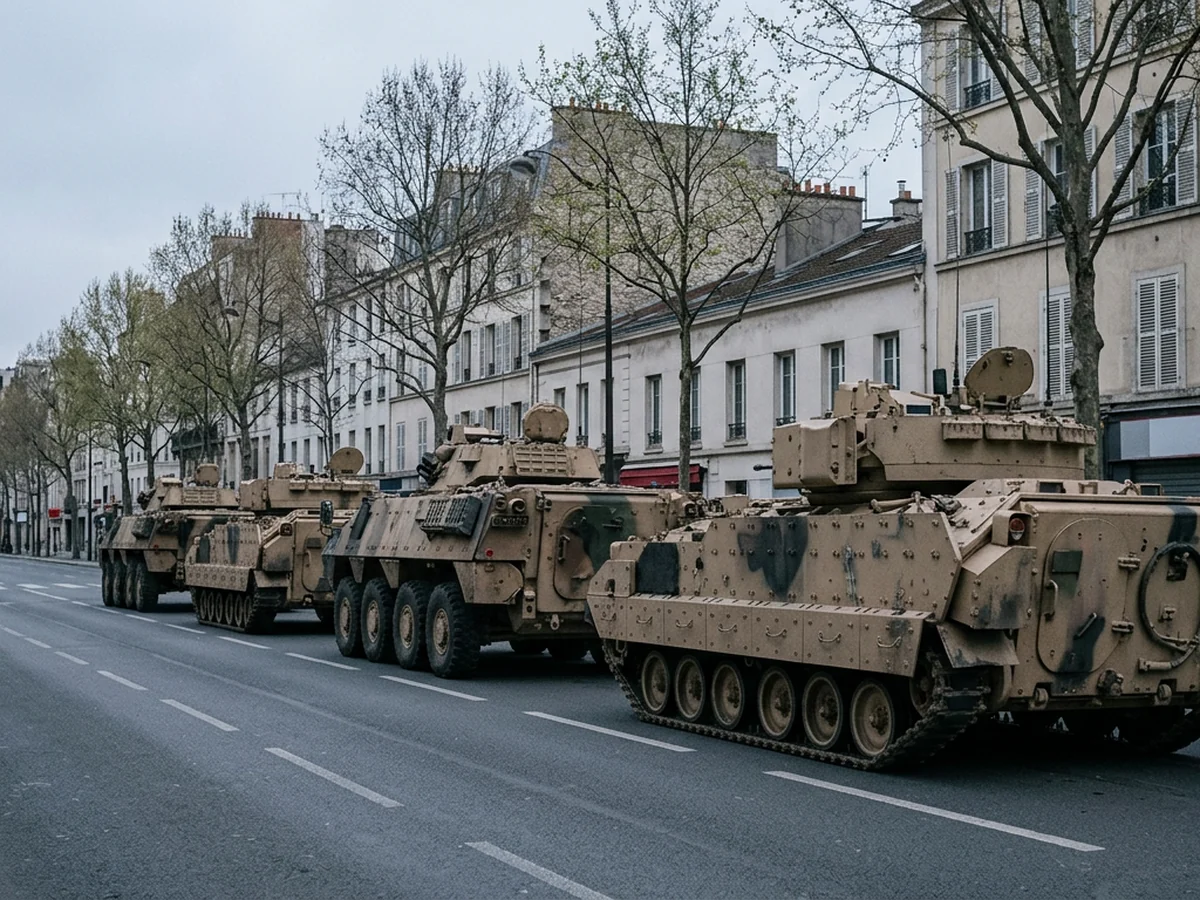
How coups happen
Plotters typically seize the head of state, government buildings, airports and broadcasters, then announce the change of power. The decisive question is whether the rest of the armed forces and key institutions go along.
Attempted and successful
Many coups fail when loyal units resist or plotters lose support. Researchers count attempts and successes separately; a coup is usually considered successful if plotters hold power for at least a week.
Self-coups
In a self-coup, sometimes called an autogolpe, an elected leader dissolves parliament, suspends courts or ignores term limits to stay in power.
International response
Many governments and regional bodies have rules to suspend aid or membership after unconstitutional changes of government. Recognition of the new authorities often becomes a diplomatic battle.
Sources & further reading
Neutral explainer; definitions vary. Photograph: original AI-generated illustration (Adobe Firefly). Reference organisations do not endorse this website.