Why curfews are imposed
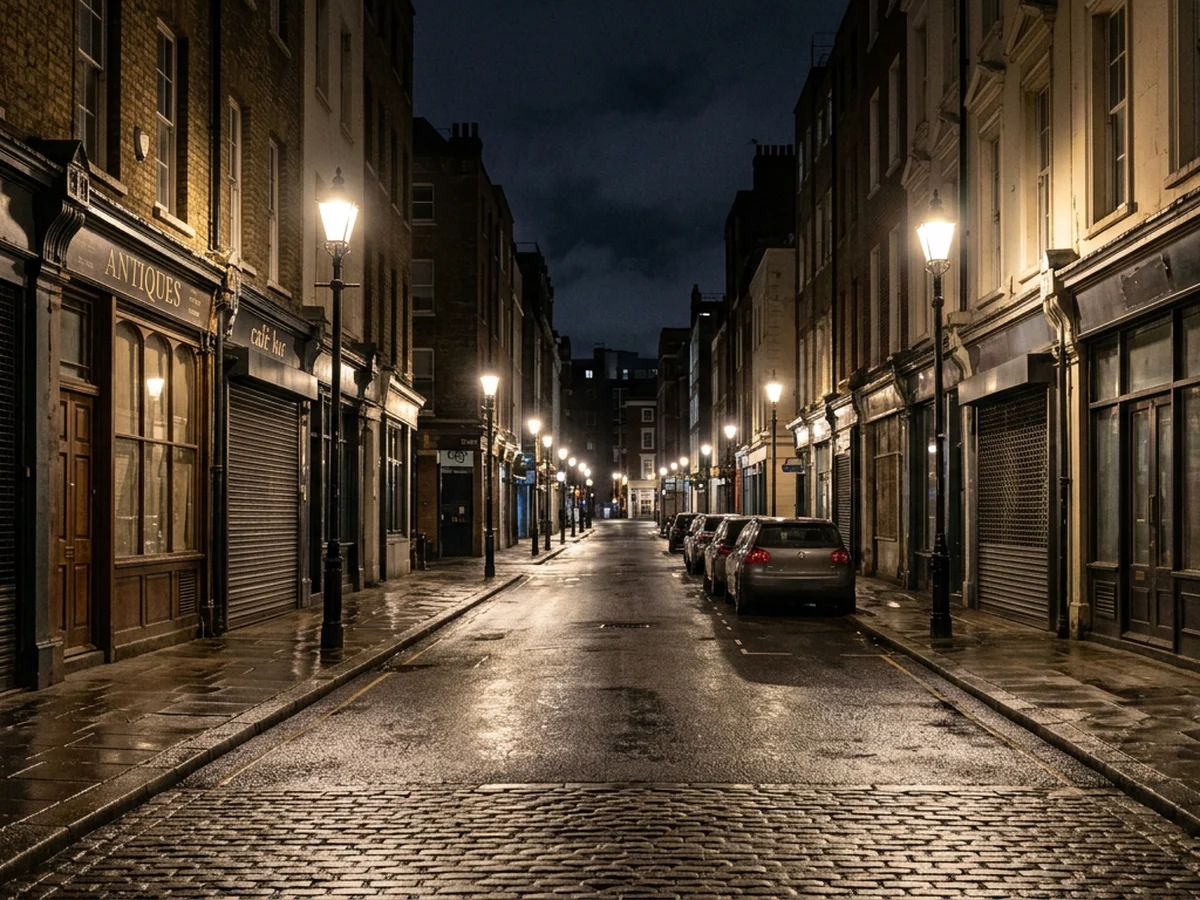
Curfews reduce movement and gatherings so authorities can restore order, prevent looting or limit contact during disease outbreaks. During the COVID-19 pandemic many countries used night curfews.
What they cover
An order sets the start and end times, the area covered and who is exempt. Some curfews apply around the clock; others only overnight.
Enforcement
Police or soldiers may patrol and check permits. Breaking a curfew can lead to fines or arrest, depending on local law.
Concerns
Because curfews restrict freedom of movement, courts and rights groups often scrutinise whether they are necessary, proportionate and time-limited.
Sources & further reading
General explainer; rules vary. Photograph: original AI-generated illustration (Adobe Firefly). Reference organisations do not endorse this website.