A principal organ
When the United Nations Charter was signed in 1945, it created six principal organs. One of them, the Trusteeship Council, was given a task meant to end. Chapters XII and XIII of the Charter set up an international trusteeship system for certain territories that were not yet self-governing. Most were former League of Nations mandates, administered by colonial powers since the end of the First World War. Others had been detached from states defeated in the Second World War. The council's role was to supervise how administering states governed these territories and to promote their progress towards self-government or independence, in line with the wishes of their peoples.
How trusteeship worked
Each territory was placed under the system by an individual trusteeship agreement with an administering authority. Australia, Belgium, France, Italy, New Zealand, the United Kingdom and the United States all administered trust territories. The council reviewed annual reports based on detailed questionnaires, examined petitions from inhabitants and sent periodic visiting missions to see conditions for itself. Its membership was designed for balance: administering states sat alongside an equal number of non-administering members, including the permanent members of the Security Council. One territory, the Trust Territory of the Pacific Islands, was designated a strategic area, so final oversight lay with the Security Council rather than the General Assembly.
Eleven territories
Eleven territories came under trusteeship. In Africa they included Tanganyika, Ruanda-Urundi, Italian Somaliland, and British and French administered parts of Togoland and Cameroons. In the Pacific they included Western Samoa, Nauru, New Guinea and the islands of Micronesia. British Togoland was the first to complete the process, uniting with the Gold Coast when Ghana became independent in 1957. Others followed through independence, union with neighbouring states or free association. Western Samoa became independent in 1962 and Nauru in 1968. The last was Palau, part of the Pacific Islands trust territory, which entered into free association with the United States and became independent on 1 October 1994.
Suspended, not abolished
With no trust territories left, the council suspended its operations on 1 November 1994. It amended its rules of procedure so that it would no longer meet annually, but only as and when needed, at the decision of its President or at the request of a majority of members or of the General Assembly or Security Council. Its members are now the five permanent members of the Security Council. Abolishing it formally would require amending the Charter, a difficult process needing ratification by two-thirds of members, including all five permanent members. At the 2005 World Summit, leaders agreed that Chapter XIII and references to the council should be deleted, but no amendment has followed.
A common confusion
Trusteeship is often confused with the wider question of decolonisation. Chapter XI of the Charter deals separately with non-self-governing territories, a much larger group of colonies that never entered the trusteeship system. Responsibility for those now lies with the General Assembly and its Special Committee on Decolonization, often called the C-24, which still lists seventeen territories. So the Trusteeship Council's dormancy does not mean decolonisation is complete in UN terms. Proposals have also been made to give the council a new purpose, such as overseeing the global environment or shared areas like the oceans, but none has gained enough support among member states.
Why it still matters
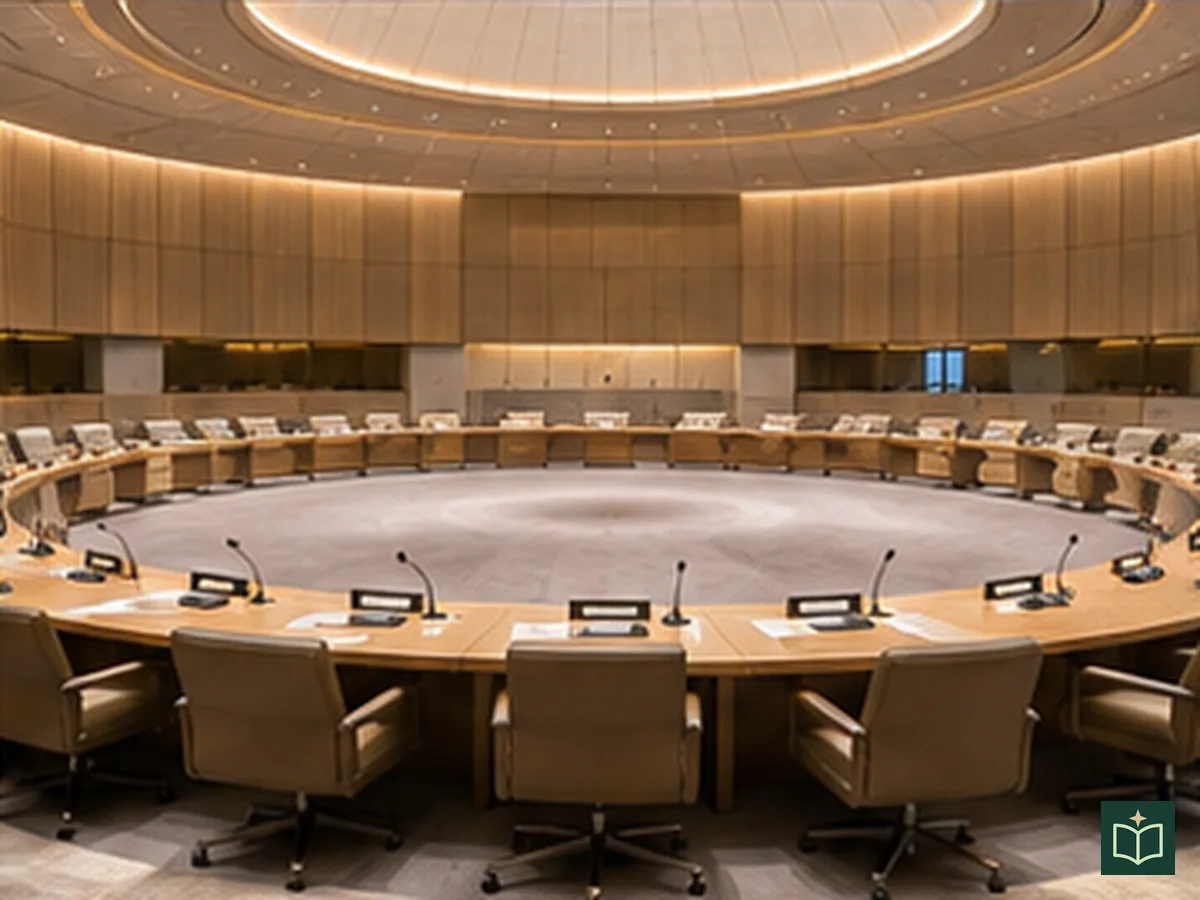
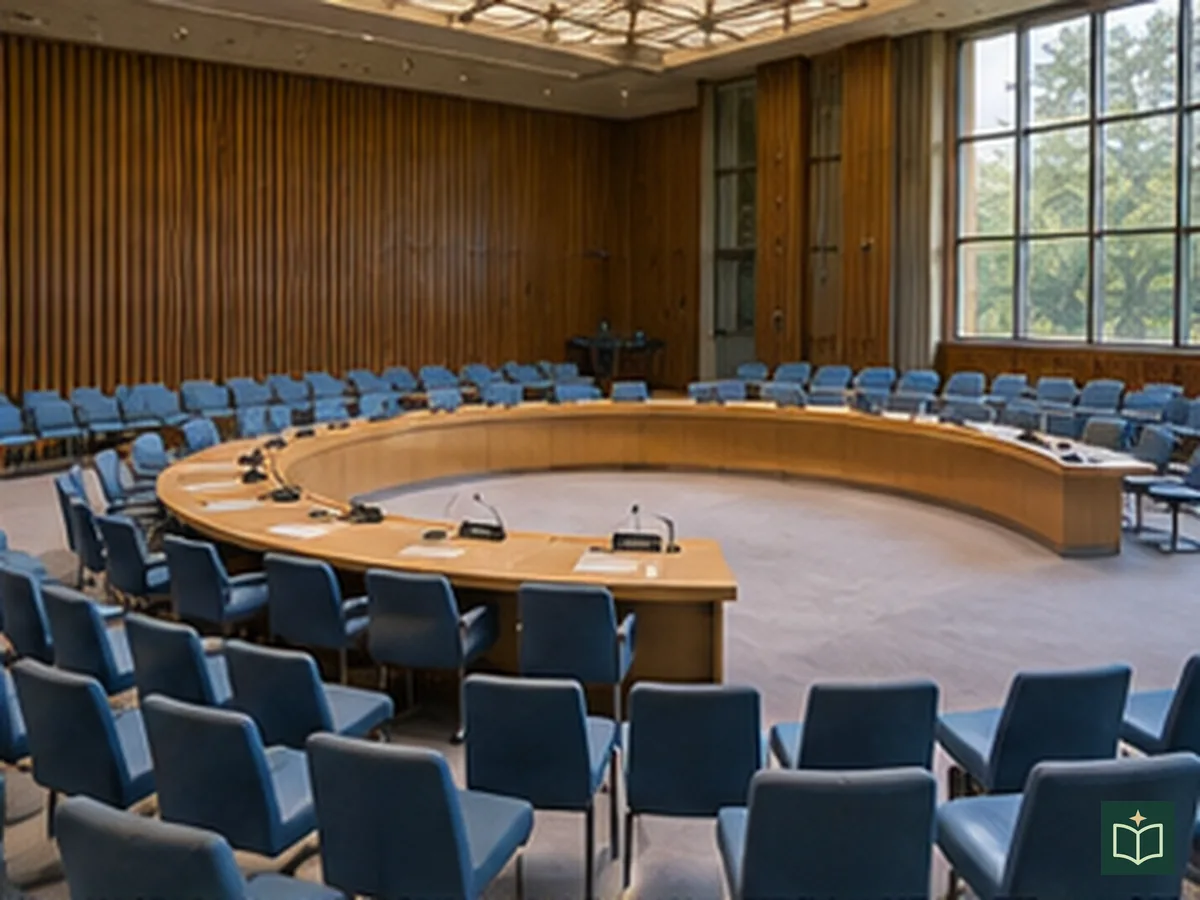
The council's history shows how the UN helped manage the end of empire, giving inhabitants a channel for petitions and holding administering states to published standards. It also illustrates how hard it is to change the Charter: an organ with no work has outlasted its purpose by more than three decades because amendment requires such broad agreement. For students of the UN, the council's chamber in New York, still used for other meetings, is a reminder that institutions can succeed and still remain on paper. When reform debates turn to restructuring the Security Council, the Trusteeship Council's long dormancy is a useful guide to what is practically possible.
Sources & further reading
Figures are rounded and widely published; check the linked organisations for the latest editions. These organisations do not endorse this website.