Origins in the Cold War
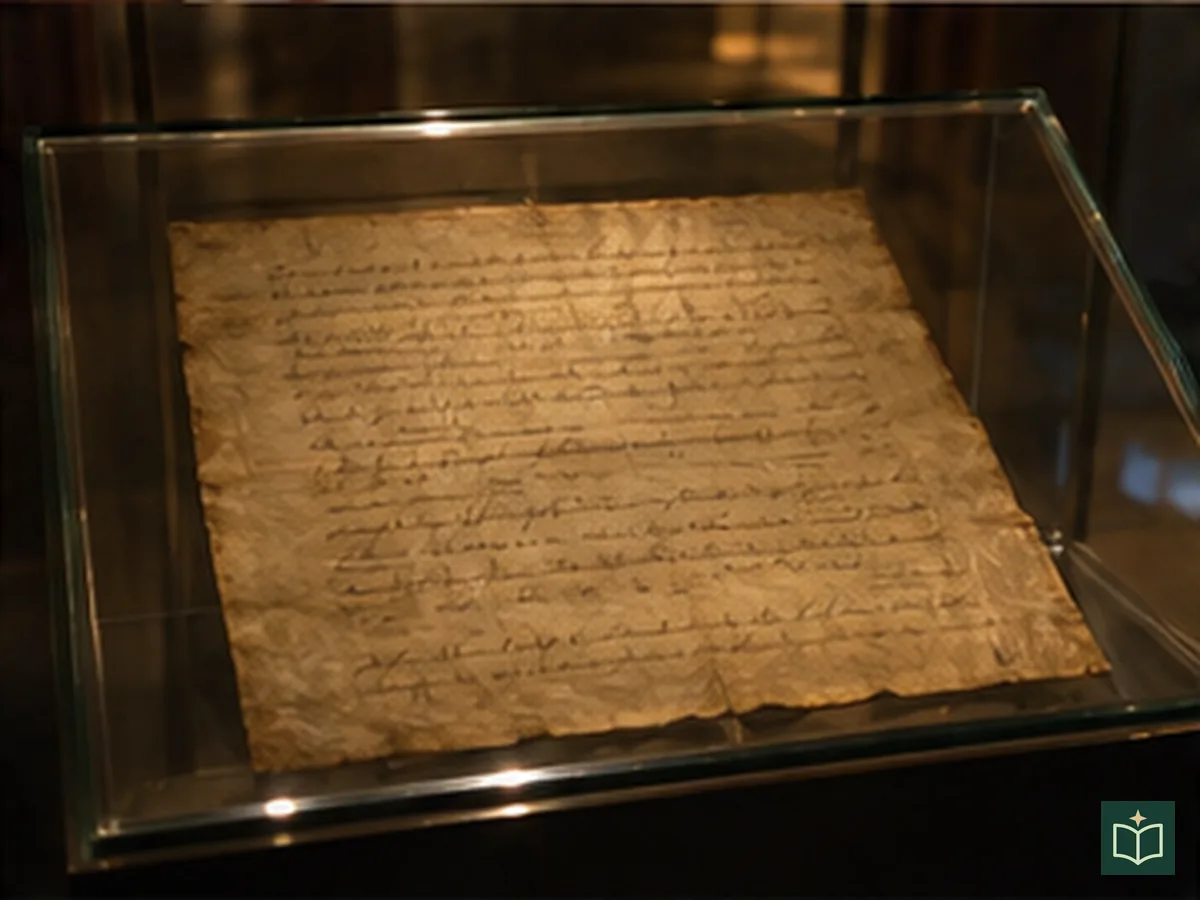
After the Second World War, much of the world divided into two military and political camps, one led by the United States and the other by the Soviet Union. Many newly independent states in Asia and Africa wanted to avoid being drawn into either. In 1955, 29 countries met in Bandung, Indonesia, at the Asian-African Conference and agreed ten principles, including respect for sovereignty, non-interference and the peaceful settlement of disputes. Six years later, in 1961, Belgrade hosted the first summit of non-aligned countries, attended by 25 states. Leaders associated with its founding include Josip Broz Tito, Jawaharlal Nehru, Gamal Abdel Nasser, Sukarno and Kwame Nkrumah.
What non-alignment means
Non-alignment is often confused with neutrality. Neutral states, such as Switzerland, follow legal rules about staying out of wars. Non-aligned states make a political choice not to join great-power military alliances, while remaining free to take sides on particular issues. Over time the movement's agenda broadened from the Cold War rivalry to decolonisation, opposition to apartheid, nuclear disarmament, and economic development and fairer terms of trade. Members have frequently disagreed among themselves, and some have had close ties to one major power or another. What unites them is an emphasis on sovereignty, equality among states and a greater voice for developing countries in global institutions.
Membership and reach
The movement now has 120 member states, drawn mostly from Africa, Asia, Latin America and the Caribbean, and the Middle East, along with observer countries and organisations. That makes it the largest grouping of states outside the United Nations itself. All six members of the Gulf Cooperation Council, including the United Arab Emirates, are members. Joining requires agreement among existing members that an applicant meets the movement's principles, and membership involves no treaty obligations or financial commitments comparable to those of formal organisations. A related but separate body, the Group of 77, coordinates developing countries' economic positions at the UN and has an overlapping membership.
How the movement works
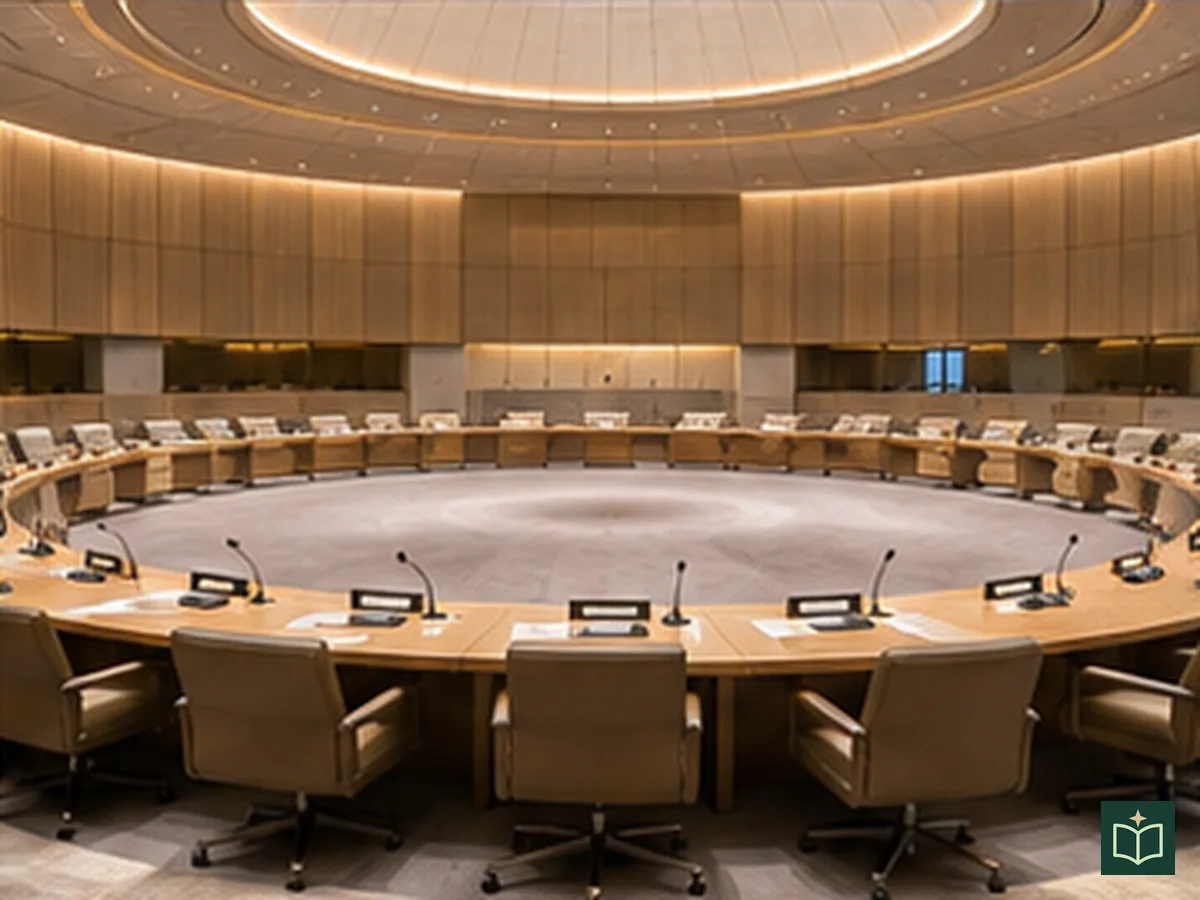
The Non-Aligned Movement has no charter and no permanent secretariat. Its highest body is the summit of heads of state or government, held roughly every three years. The country hosting the summit becomes chair and leads the movement until the next one, supported by the previous and incoming chairs. In New York, a Coordinating Bureau of members' ambassadors meets regularly to agree joint positions on UN business. Ministerial meetings are held between summits. Decisions are taken by consensus, and outcomes take the form of declarations rather than binding rules. The 19th summit, held in Kampala in January 2024, passed the chair to Uganda.
Limits and criticisms
Critics argue that the end of the Cold War removed the movement's original purpose, since there were no longer two rival blocs to avoid. Its size makes common positions broad, and declarations can be lengthy compromises with limited practical effect. Members also differ greatly in wealth, political systems and alliances, and several have security arrangements with major powers. Supporters respond that the principles of sovereignty and non-interference remain relevant, and that the movement gives smaller states a collective voice in negotiations on issues such as UN reform, development finance and sanctions. Its influence is mostly felt through the votes and coordinated statements of its members at the United Nations.
Why it matters
Because its members make up a majority of UN member states, the movement's coordinated positions can shape General Assembly resolutions, elections to UN bodies and negotiations on development. Renewed rivalry among major powers has also revived interest in the idea of not choosing sides, with many governments seeking to work with several partners at once. Observers sometimes describe this trend as a new non-alignment, though it is not identical to the movement itself. When reading about the movement, the important distinctions are between the formal organisation with its summits and chair, and the broader foreign-policy habit of balancing relationships rather than joining a single bloc.
Sources & further reading
Figures are rounded and widely published; check the linked organisations for the latest editions. These organisations do not endorse this website.