What the convention bans
The Biological Weapons Convention, formally the Convention on the Prohibition of the Development, Production and Stockpiling of Bacteriological (Biological) and Toxin Weapons and on their Destruction, opened for signature in 1972 and entered into force in 1975. Under Article I, states parties undertake never in any circumstances to develop, produce, stockpile, acquire or retain microbial or other biological agents, or toxins, of types and in quantities that have no justification for peaceful purposes, nor weapons or delivery systems designed to use them. More than 180 states are now parties. The 1925 Geneva Protocol had already banned the use of such weapons in war; the convention went further by banning possession altogether.
The general-purpose test
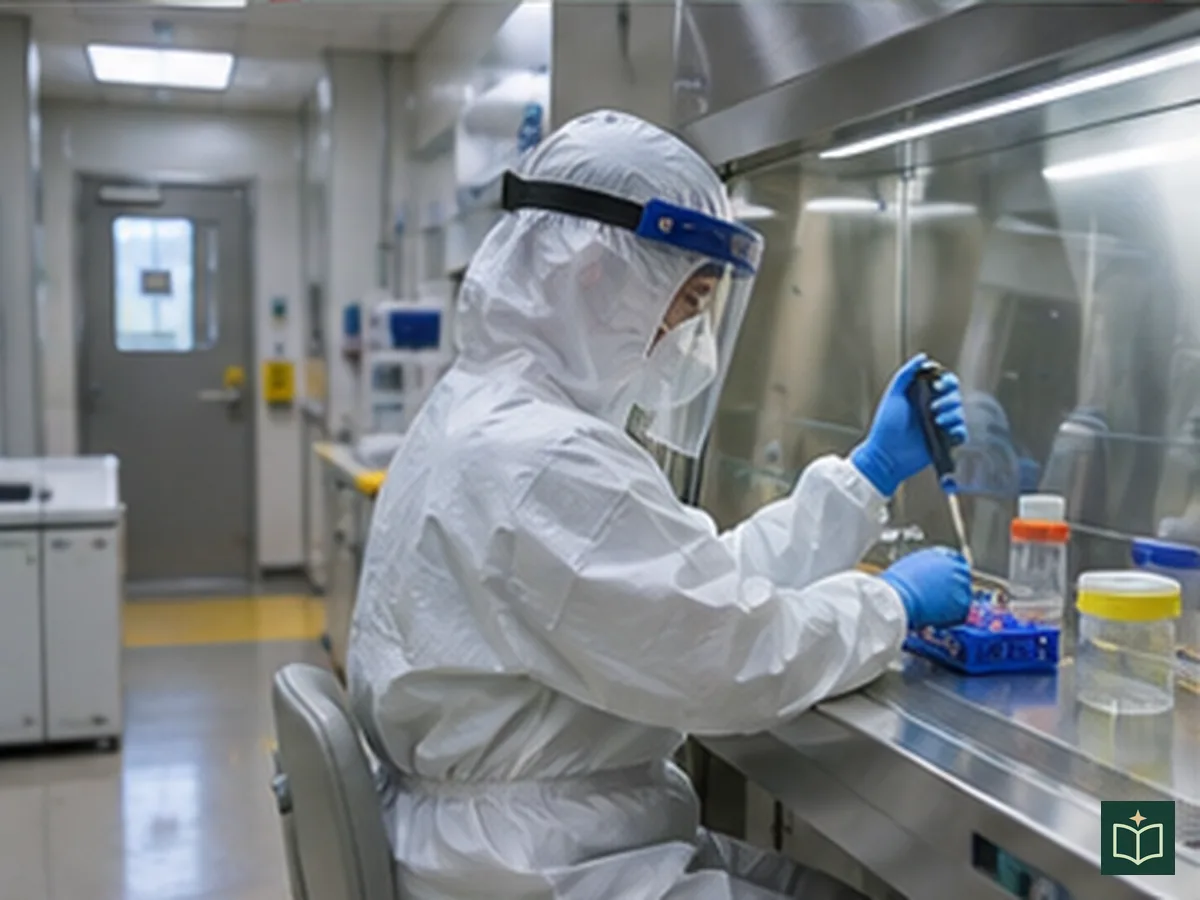
The ban is defined by purpose rather than by a list of organisms. This matters because the same agents, equipment and knowledge are used for vaccines, medical research, agriculture and biotechnology. A laboratory growing a dangerous pathogen may be developing a vaccine or a weapon, and the difference lies in intent, quantity and design. The general-purpose criterion means that new scientific developments, such as synthetic biology, are automatically covered if used for hostile ends. It also makes the treaty hard to police. Unlike nuclear material, which can be counted, or chemical agents produced at industrial scale, biological agents can be grown quickly from small samples in modest facilities.
Why there are no inspectors
Negotiators in 1972 chose not to include verification, partly because of the technical difficulties and partly because of Cold War politics. Later revelations showed the risk: the Soviet Union had run a large covert biological weapons programme in breach of the treaty. From 1995 an ad hoc group of states negotiated a legally binding verification protocol, but talks collapsed in 2001 when key parties rejected the draft, arguing it would be ineffective and could expose commercial and defence secrets. The convention therefore has no equivalent of the Organisation for the Prohibition of Chemical Weapons, which inspects declared sites under the Chemical Weapons Convention.
What exists instead
The convention relies on several lighter tools. Since 1986, states have agreed to submit annual confidence-building measures, reports on high-containment laboratories, vaccine facilities, outbreaks and past programmes; participation has grown but is not universal. Article V provides for consultations between parties to resolve concerns, and Article VI allows a state to lodge a complaint with the UN Security Council, which can investigate. The UN Secretary-General can also investigate alleged use of biological or chemical weapons under a separate mechanism created by the General Assembly. A small Implementation Support Unit, set up in Geneva in 2006 with only a handful of staff, supports states rather than inspecting them.
Review conferences
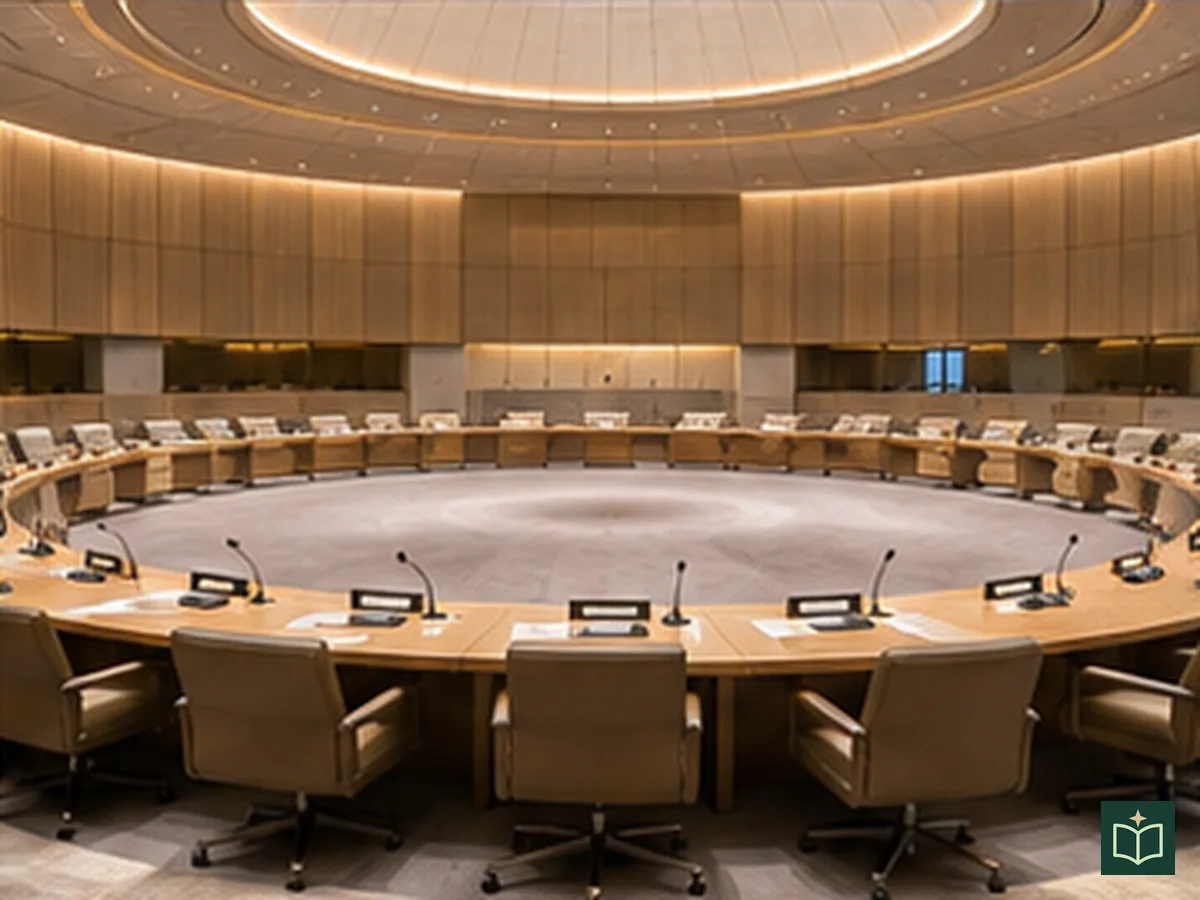
States parties meet in review conferences roughly every five years to assess how the treaty is working, with smaller meetings in between. These conferences have extended the confidence-building measures, encouraged national legislation to criminalise biological weapons activity and promoted cooperation on peaceful uses of biology, which developing countries value highly. The Ninth Review Conference in 2022 created a working group to consider ways of strengthening the convention, including compliance, verification, international cooperation and keeping pace with science and technology. All decisions are taken by consensus, which means progress is often slow. Any state party can block proposals it considers intrusive or unbalanced.
Why it matters
Biological weapons could cause mass casualties and spread beyond any intended target, which is why the ban is so widely supported. Advances in gene editing and synthesis lower technical barriers, so many experts argue that the convention needs stronger ways to build confidence, such as voluntary peer reviews, transparency visits or a science advisory mechanism. Others stress that a verification regime could never be complete and might give false reassurance. Public health capacity also forms part of the defence, since detecting outbreaks quickly helps regardless of origin. When biological weapons allegations arise, the key question is which of the treaty's limited tools can be used to examine them.
Sources & further reading
Figures are rounded and widely published; check the linked organisations for the latest editions. These organisations do not endorse this website.