Where the Sun can be overhead
Earth spins on an axis tilted about 23.4 degrees from upright relative to its orbit. As the planet travels round the Sun, first one hemisphere and then the other leans towards it. On the June solstice the Sun stands directly overhead at noon at about 23.4°N, the Tropic of Cancer. On the December solstice it is overhead at 23.4°S, the Tropic of Capricorn. Between them lie the tropics, the only part of the world where the noon Sun can ever be exactly overhead. North or south of these lines, the Sun never quite reaches the zenith, however long the summer day.
Midnight sun and polar night
The polar circles come from the same tilt. Subtract it from 90 degrees and you get about 66.6 degrees, the latitude of the Arctic and Antarctic circles. At the June solstice, a place on the Arctic Circle sees the Sun stay above the horizon for a full 24 hours; at the December solstice it stays below for a day. Further towards the poles, the periods of midnight sun and polar night lengthen, until at the poles themselves the year divides into roughly six months of daylight and six of darkness. Atmospheric refraction bends sunlight slightly, so in practice the midnight sun is visible a little south of the circle.
Lines that drift
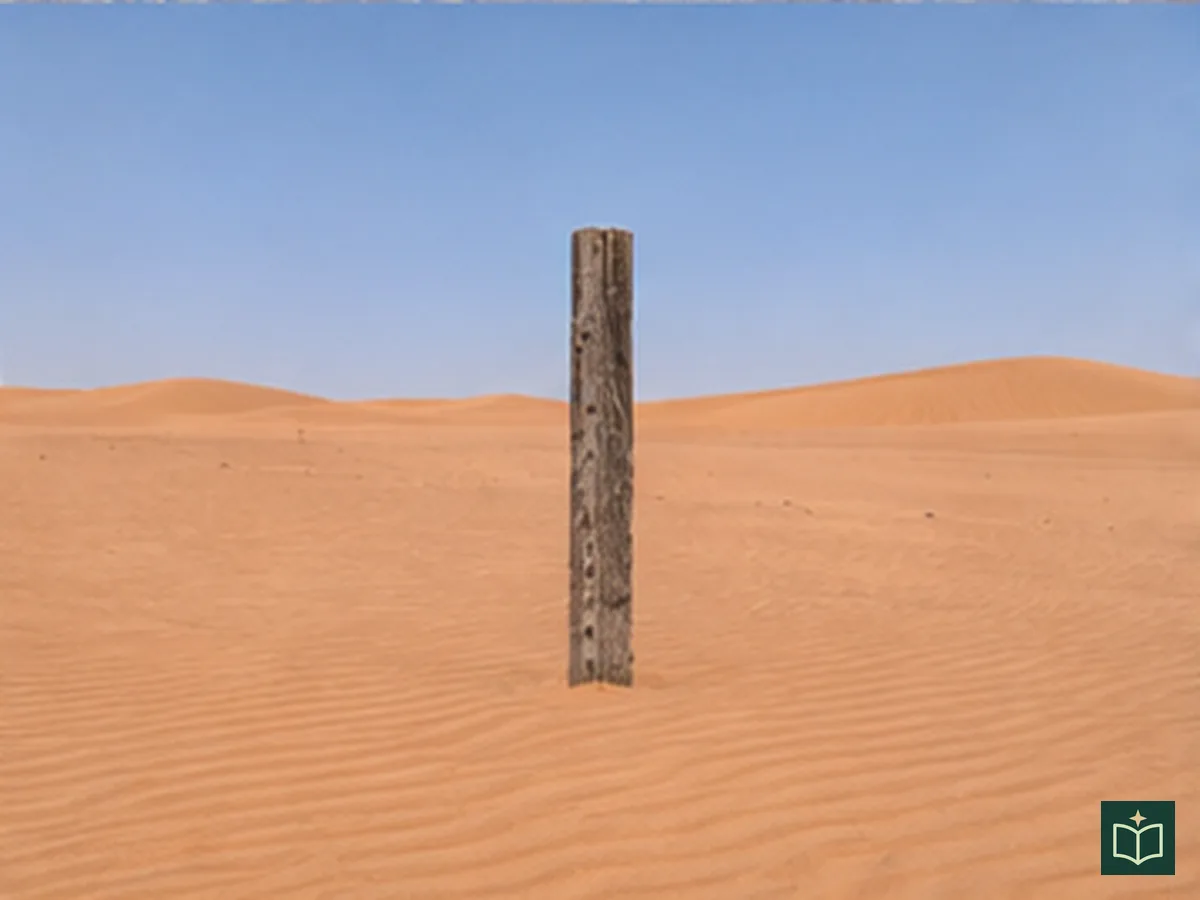
Because the lines are set by the tilt, they move when the tilt changes. Over a cycle of about 41,000 years, Earth's tilt varies between roughly 22.1 and 24.5 degrees, mainly because of the gravitational pull of the Moon and other planets. At present it is decreasing slowly. As a result, the Tropic of Cancer is creeping south by about 15 metres a year, and the Arctic Circle is moving north at a similar rate. Markers placed on the ground to show the tropic, such as monuments in Mexico, Taiwan and elsewhere, gradually fall out of position and some have been moved or updated.
The tropic in the UAE
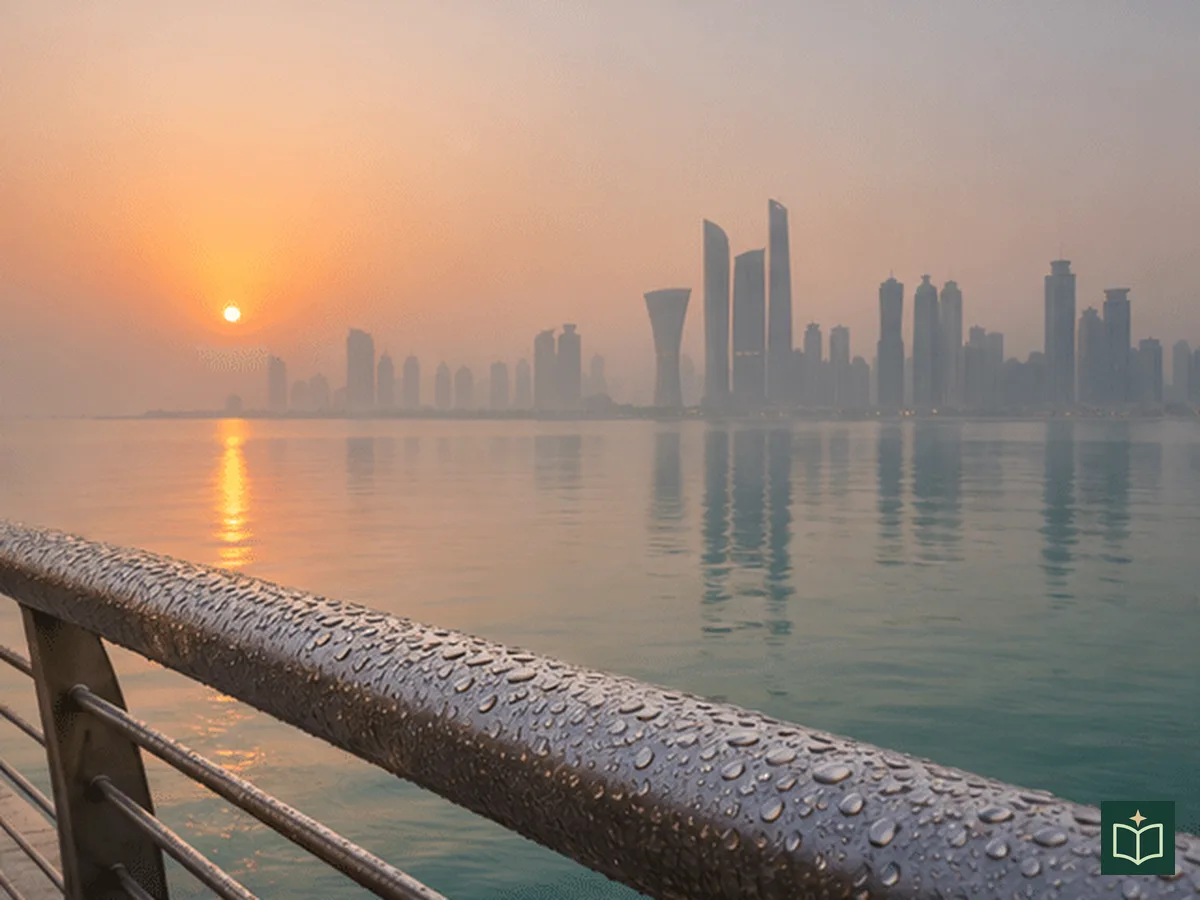
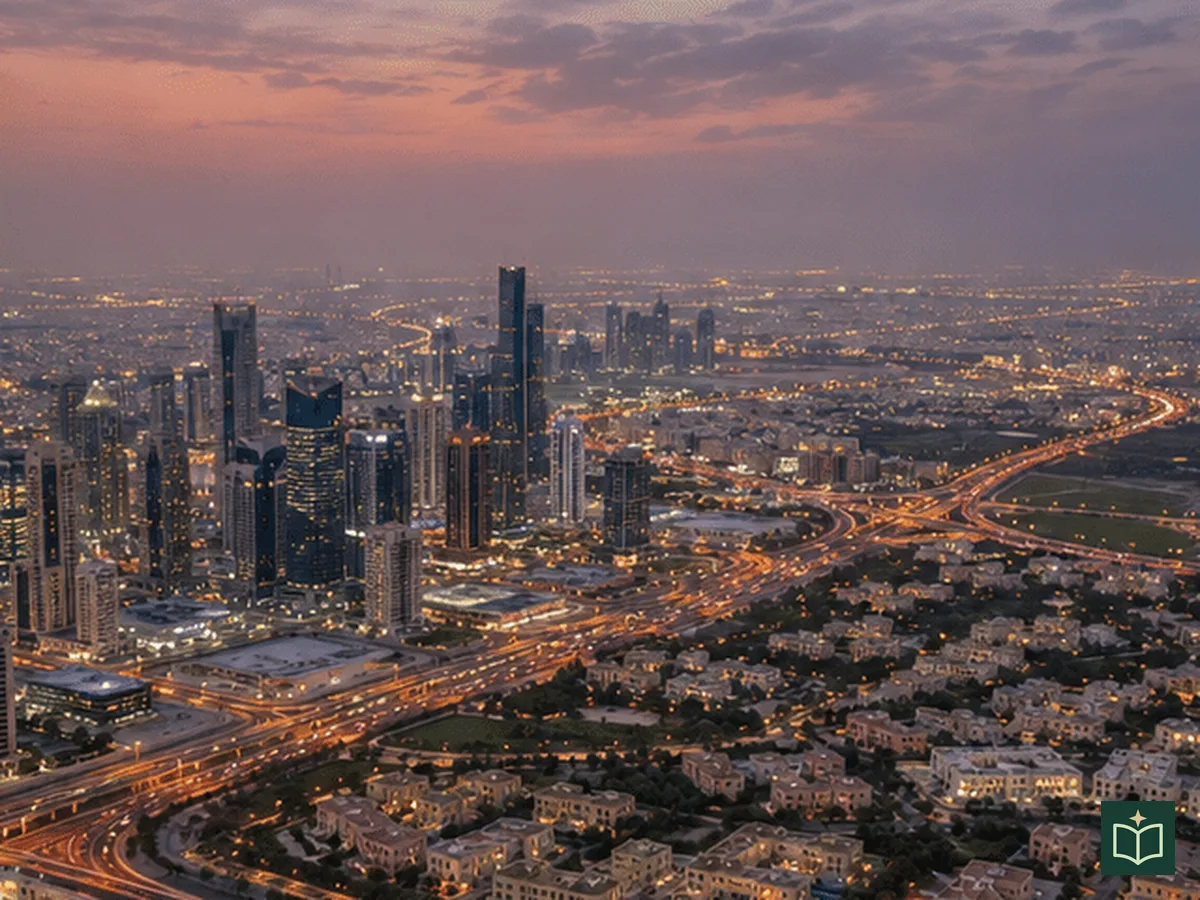
The Tropic of Cancer crosses the southern UAE, through Abu Dhabi's Al Dhafra region, passing between Madinat Zayed and the Liwa oases. Dubai, at about 25°N, and Abu Dhabi city, at about 24.5°N, lie north of it, so the Sun is never quite overhead there; in Dubai it peaks at about 88 degrees in late June. Liwa, at about 23.1°N, lies just inside the tropics. There, the noon Sun passes directly overhead twice a year, around 11 June and again around 1 July, and for a few minutes upright objects cast almost no shadow. The tropic also crosses Oman, Saudi Arabia and the Sahara.
What the lines do not mean
The tropics and polar circles are astronomical lines, not climate boundaries. Places inside the tropics are not always hotter than those outside them: the Gulf, mostly just north of the tropic, records some of the highest summer temperatures on Earth, while tropical highlands such as those of Ecuador and Kenya stay mild. The word tropical is used for climates as well as lines, which causes confusion. Similarly, polar climates extend well beyond the polar circles in some places, such as Greenland's ice sheet, and fall short of them in others, where warm currents keep coasts such as northern Norway relatively mild.
Why they matter
The lines still help explain the planet. They show where sunlight is most intense year-round, which drives the circulation of the atmosphere, the belts of tropical rain and the subtropical deserts that lie just beyond them. They shape daily life too, from the length of winter darkness in Arctic towns to the timing of overhead Sun in tropical cities. For navigators and map-makers, they were among the earliest lines drawn on globes. And for anyone standing near Liwa at noon in June, they offer a simple experiment: look down at your feet, and see your shadow almost disappear beneath you.
Sources & further reading
Figures are rounded and widely published; check the linked organisations for the latest editions. These organisations do not endorse this website.