A no man's land
Before the treaty, Svalbard was terra nullius, belonging to no state. Coal mining by several countries' companies in the early twentieth century created disputes that needed resolving.
The deal
The treaty, signed in Paris in 1920, recognised Norway's sovereignty while giving nationals and companies of signatory states equal rights to fishing, hunting, mining and commerce. Norway can levy taxes only to cover the islands' administration.
Living there
Signatory nationals can live and work in Svalbard without a visa, although they must support themselves. The main town is Longyearbyen; Russia's company operates the mining settlement of Barentsburg.
Disputes at sea
Norway and some signatories disagree over whether the treaty's equal rights apply to the surrounding continental shelf and fisheries zone. The islands' strategic location has gained attention as the Arctic opens up.
Sources & further reading
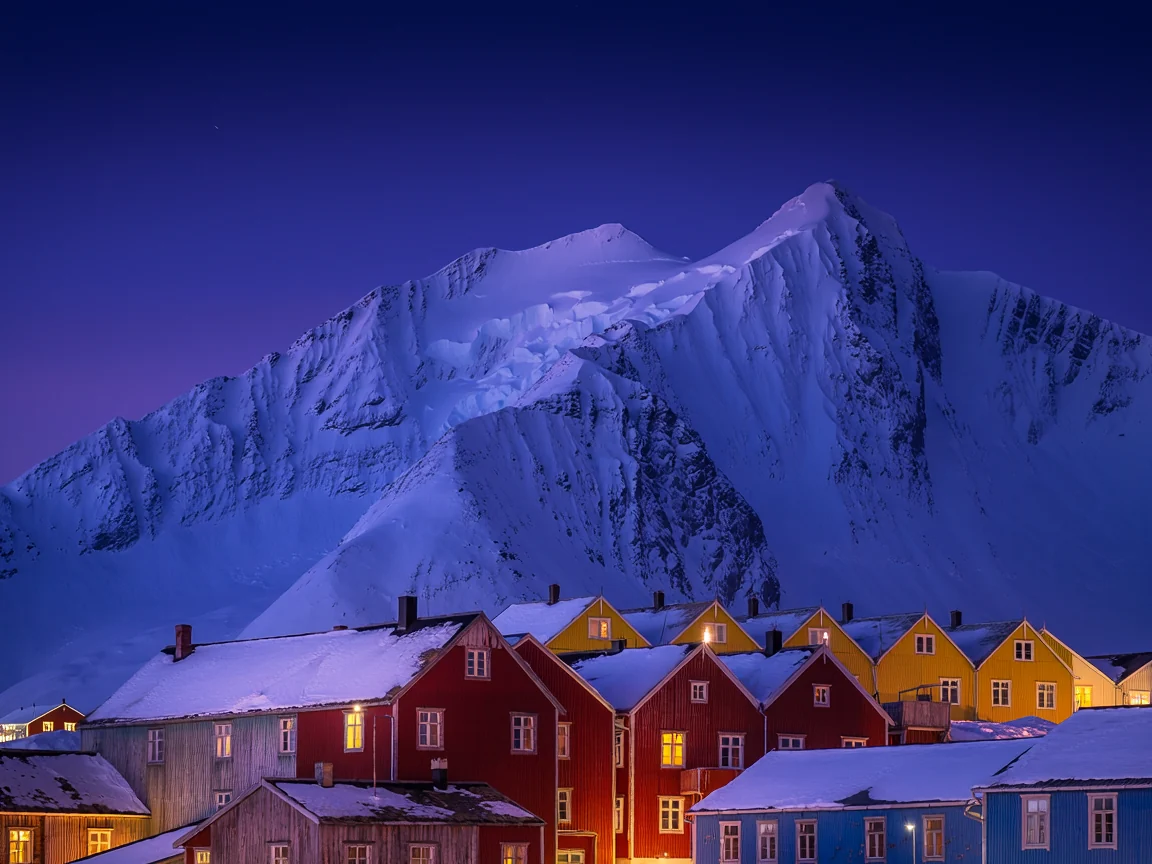
Photograph: original AI-generated illustration (Adobe Firefly). Reference organisations do not endorse this website.