Why it matters
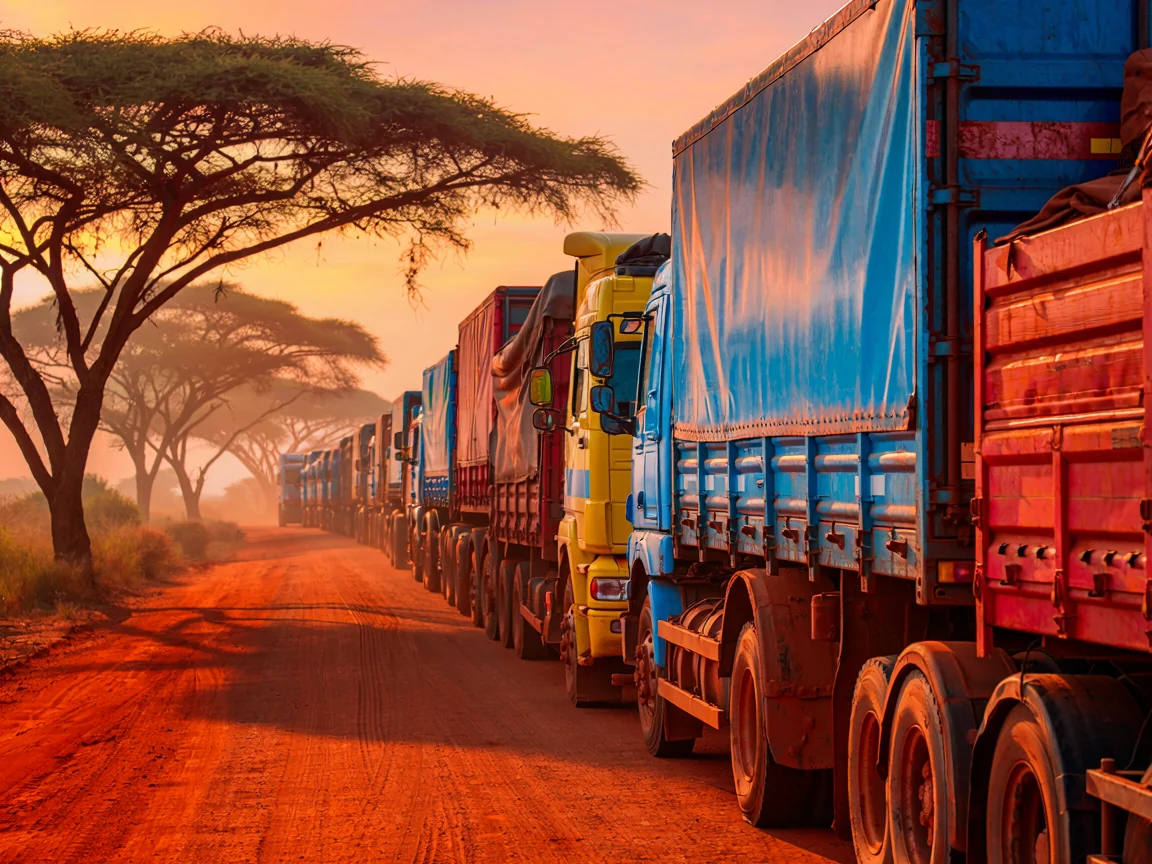
Africa's countries trade relatively little with one another compared with regions such as Europe or Asia. High tariffs, border delays, poor transport links and differing rules raise costs. The AfCFTA aims to lower these barriers and encourage regional supply chains.
What it covers
The agreement covers trade in goods and services and has protocols on investment, competition, intellectual property and digital trade. Members commit to removing tariffs on most goods gradually, with longer timelines for less developed economies and sensitive products.
The secretariat
The AfCFTA Secretariat is based in Accra, Ghana. It supports implementation, monitors progress and helps resolve disputes. A digital payments system has been developed to let traders settle cross-border transactions in local currencies.
Challenges
Removing tariffs is only part of the task. Rules of origin, customs procedures, infrastructure, and non-tariff barriers such as licences and inspections must also be addressed. Progress varies between countries, and benefits depend on investment in roads, ports and logistics.
Sources & further reading
Membership and implementation status change over time. Photograph: original AI-generated illustration (Adobe Firefly). Reference organisations do not endorse this website.