Elected across a continent
The European Parliament has been directly elected since 1979. Elections take place in every member state over a few days, using national voting rules within a common framework. Seats are allocated by population, but smaller countries receive more seats per person than larger ones, a principle called degressive proportionality.
Groups, not flags
Members sit in political groups such as centre-right, socialist, liberal and green families rather than in national blocs. Much of the real work happens in specialist committees, which examine proposals, hold hearings and negotiate amendments before texts reach the full chamber.
Sharing power
Under the ordinary legislative procedure, Parliament and the Council of the EU, which represents national governments, must agree on the same text. Parliament also approves the EU budget, can dismiss the European Commission by a two-thirds vote of censure, and must approve the Commission as a whole.
Three homes
Parliament's official seat is Strasbourg, where most plenary sessions are held. Committees and some sessions meet in Brussels, while the secretariat is based in Luxembourg. The arrangement is fixed by EU treaties and is often criticised as costly.
Sources & further reading
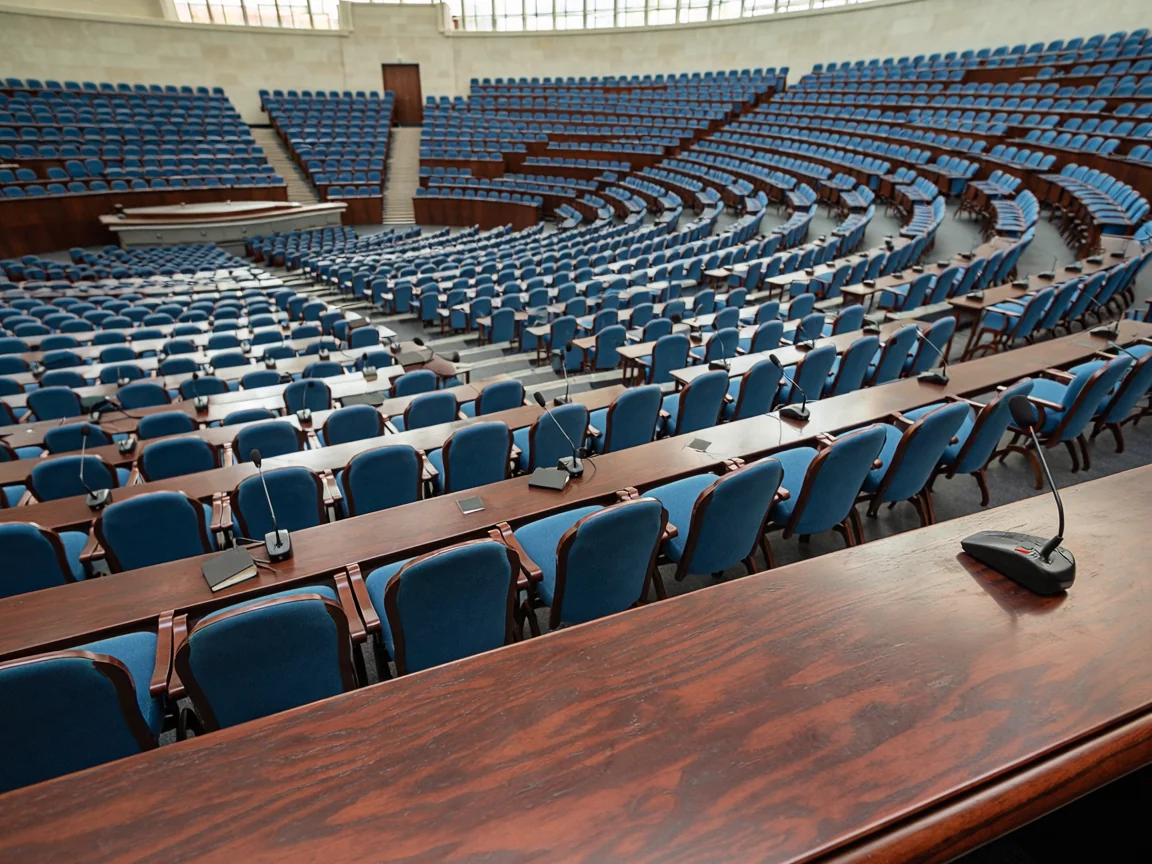
Seat totals change between elections. Photograph: original AI-generated illustration (Adobe Firefly). Reference organisations do not endorse this website.