Born in the space race
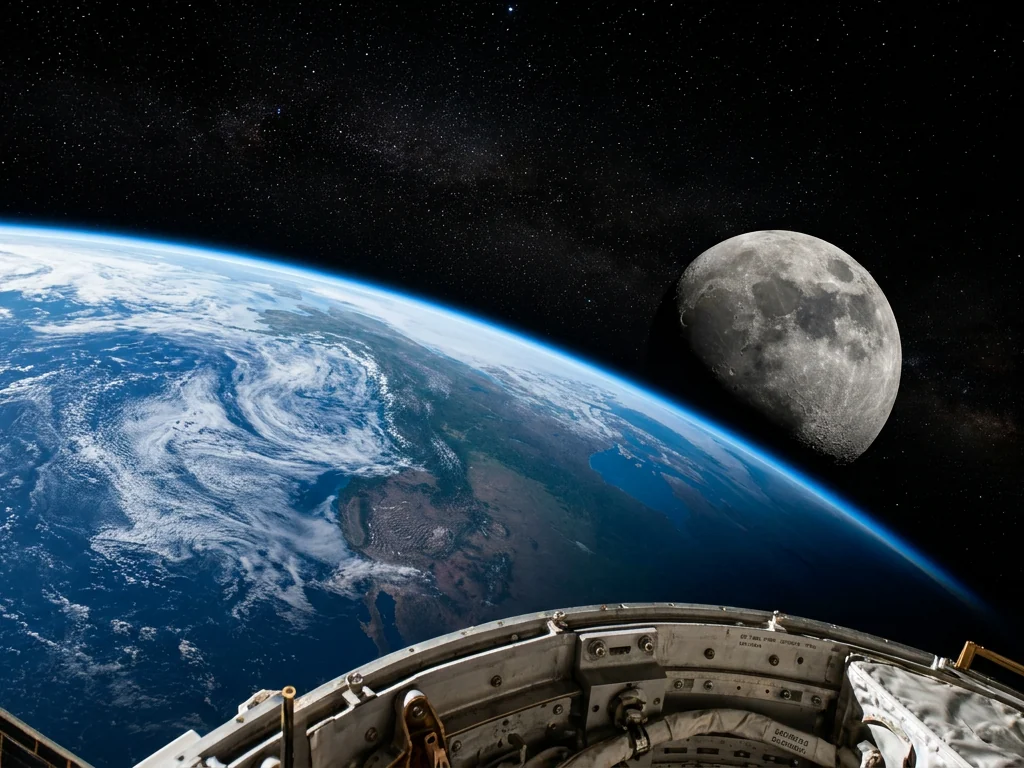
In the decade after Sputnik, the United States and the Soviet Union raced to reach orbit and the Moon. Both feared the other might claim territory or station nuclear weapons in space. Negotiations at the United Nations produced the Treaty on Principles Governing the Activities of States in the Exploration and Use of Outer Space, which entered into force in October 1967.
The core principles
Outer space, including the Moon and other celestial bodies, is free for exploration and use by all states and is not subject to national appropriation by claim of sovereignty. Celestial bodies must be used exclusively for peaceful purposes, and weapons of mass destruction may not be placed in orbit. Astronauts are regarded as envoys of mankind who should receive help in an emergency.
Responsibility and liability
The treaty makes governments internationally responsible for national space activities, including those carried out by private companies. Each country must authorise and supervise its operators. Later UN agreements built on this foundation, covering the rescue of astronauts, liability for damage caused by space objects and the registration of satellites.
New questions
The treaty was written before commercial rockets, satellite mega-constellations and plans to mine the Moon. Lawyers debate whether extracting resources counts as forbidden appropriation, and how to manage space debris and crowded orbits. Many newer national laws and the US-led Artemis Accords try to answer those questions within the treaty’s framework.
Sources & further reading
Summary of treaty principles for general readers; consult the full text for legal interpretation. Photograph: original AI-generated illustration (Adobe Firefly). Reference organisations do not endorse this website.