An old alloy
Pewter has been made for at least two thousand years, from the Roman world to medieval Europe and East Asia. In many European homes from the Middle Ages to the eighteenth century, pewter plates, spoons and drinking vessels sat between costly silver and humble wood or clay.
What it is made of
Pewter is mostly tin. Historic recipes often added copper and sometimes significant amounts of lead, which made the metal cheaper and easier to cast but darker. Modern pewter is lead-free and typically contains more than 90 per cent tin, with small additions of antimony and copper to harden it.
A craft metal
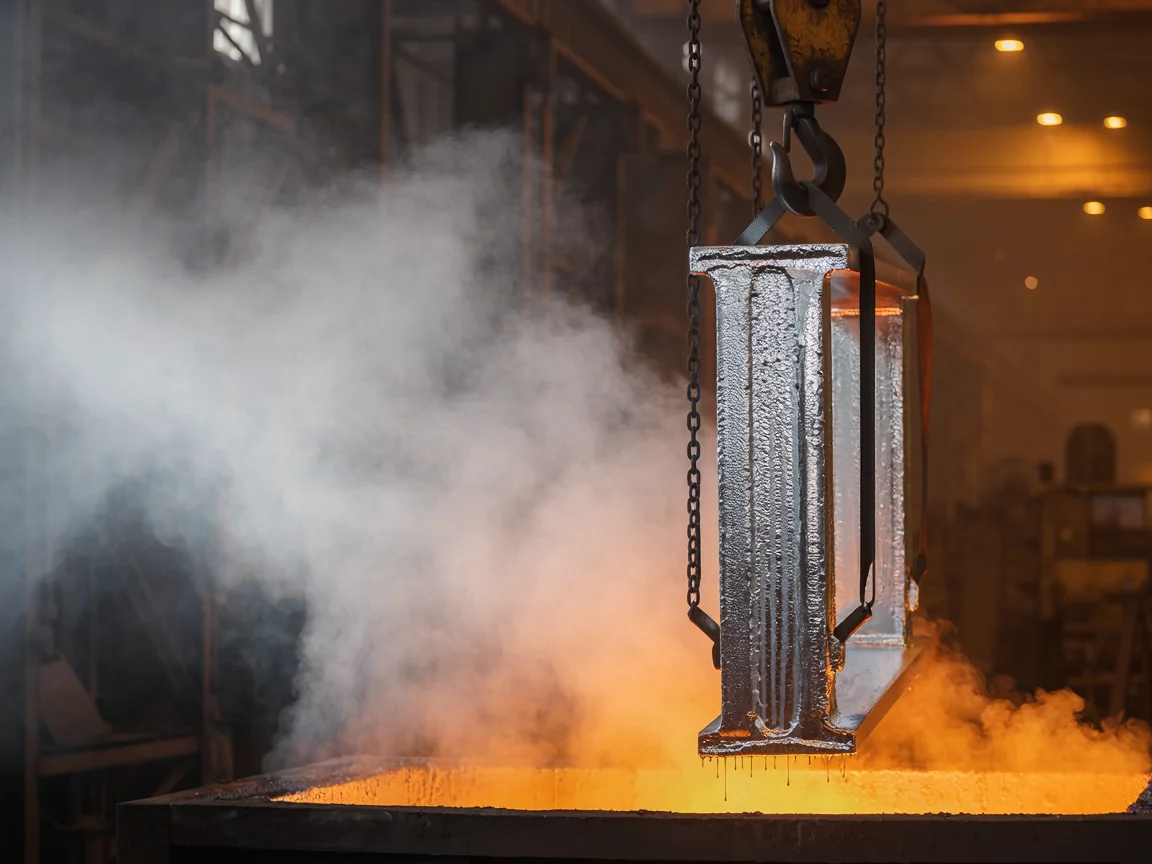
Because pewter melts at a comparatively low temperature—roughly 170 to 230 °C, depending on the alloy—it can be cast in reusable moulds, spun on a lathe or hammered into shape. Worn or dented pieces could be melted down and recast, and guilds of pewterers controlled quality marks on their wares.
From kitchens to collectors
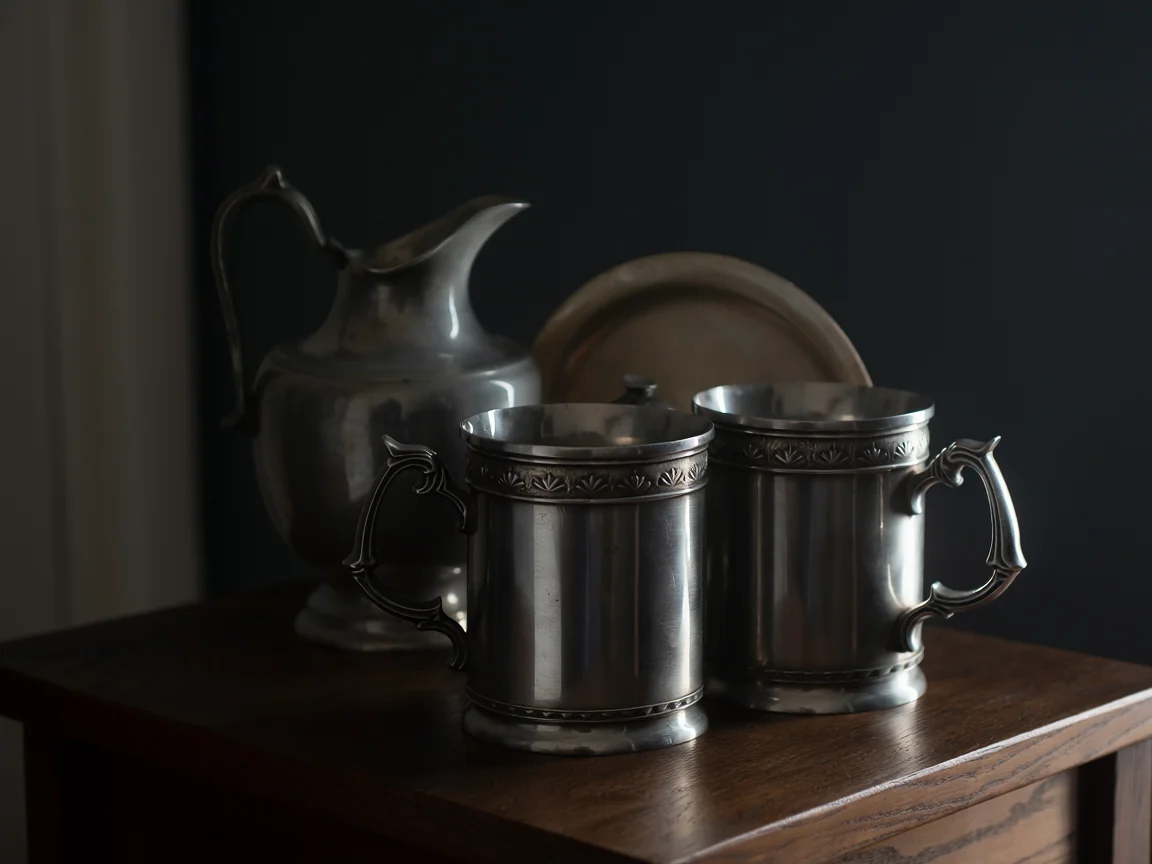
Cheaper ceramics and glass gradually pushed pewter off everyday tables. Today it survives in tankards, trophies, figurines and decorative ware. Old pieces may contain lead, so collectors keep antique pewter for display rather than for serving acidic food or drink.
Sources & further reading
Alloy compositions vary by maker and period; figures are typical values. Photograph: original AI-generated illustration (Adobe Firefly). Reference organisations do not endorse this website.