A hole in the sky
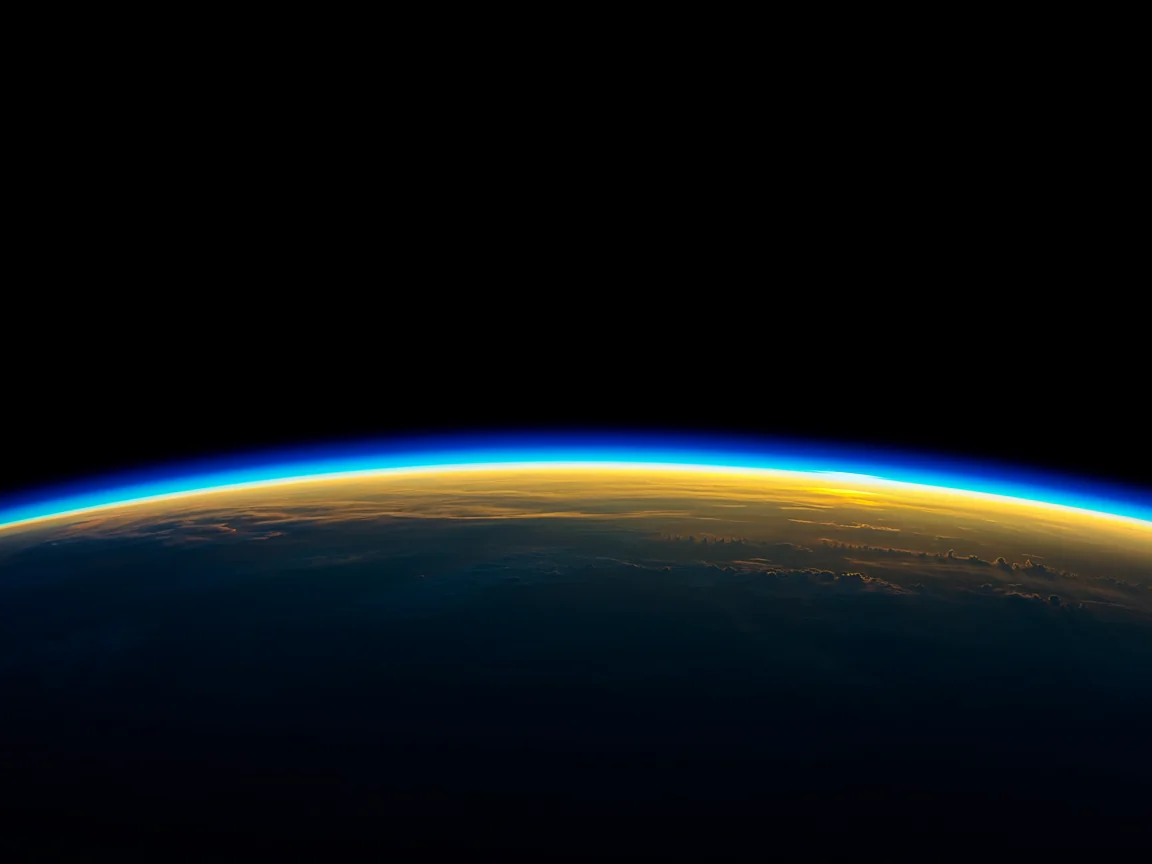
In 1974 chemists Mario Molina and Sherwood Rowland warned that chlorofluorocarbons—CFCs used in refrigerators, aerosols and foam—could destroy stratospheric ozone. In 1985 British Antarctic Survey scientists reported a dramatic seasonal thinning over Antarctica, the so-called ozone hole.
A fast global deal
Countries agreed the Vienna Convention in 1985 and the Montreal Protocol in 1987. It set deadlines to phase out CFCs, halons and other ozone-depleting substances, and a fund helped developing countries switch to alternatives. In 2009 it became the first UN treaty to achieve universal ratification.
Recovery under way
Atmospheric concentrations of the most harmful chemicals have fallen, and scientists report that the ozone layer is on track to recover. A 2023 UN assessment projected a return to 1980 values by about 2066 over Antarctica and around 2040 for most of the world.
A climate bonus
Many ozone-depleting chemicals are also powerful greenhouse gases, so the protocol has helped slow global warming. The 2016 Kigali Amendment extended it to phase down hydrofluorocarbons (HFCs), substitutes that are safe for ozone but strongly warm the climate.
Sources & further reading
Recovery dates are scientific projections and may change with new assessments. Photograph: original AI-generated illustration (Adobe Firefly). Reference organisations do not endorse this website.