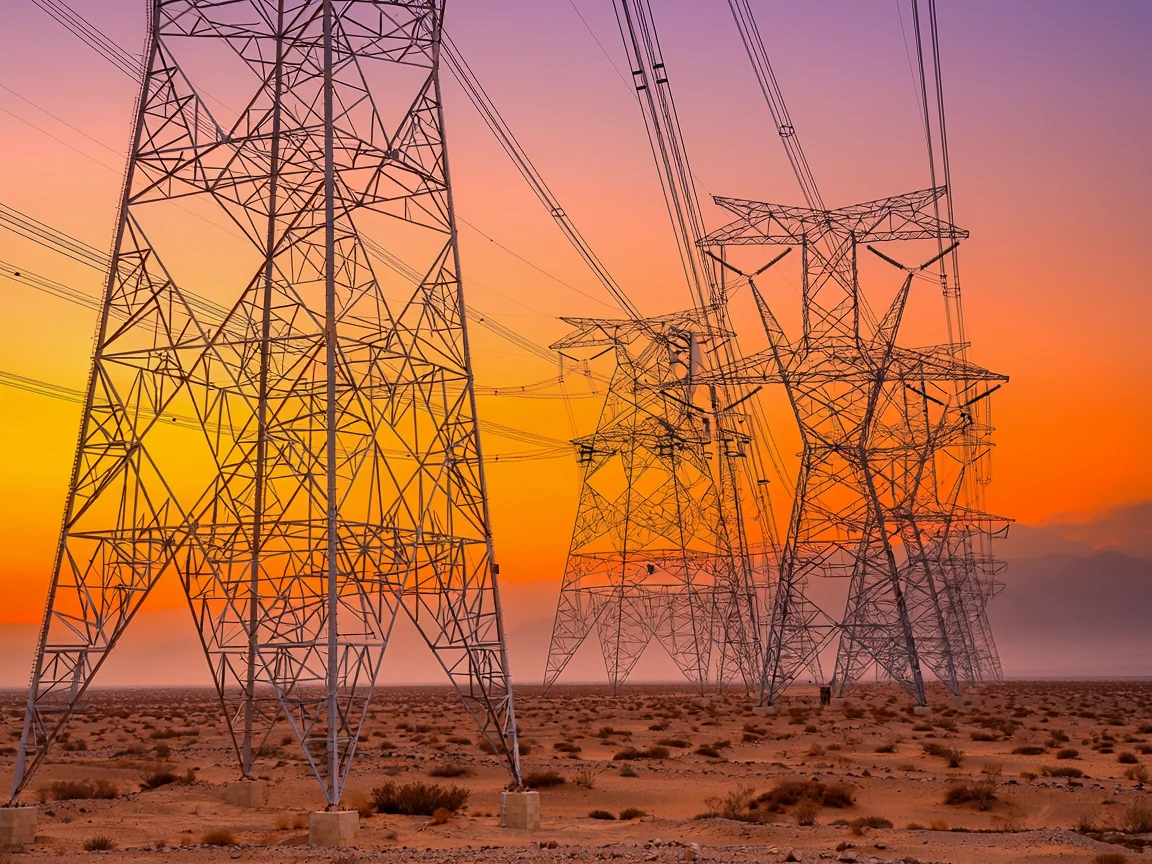
Why salt
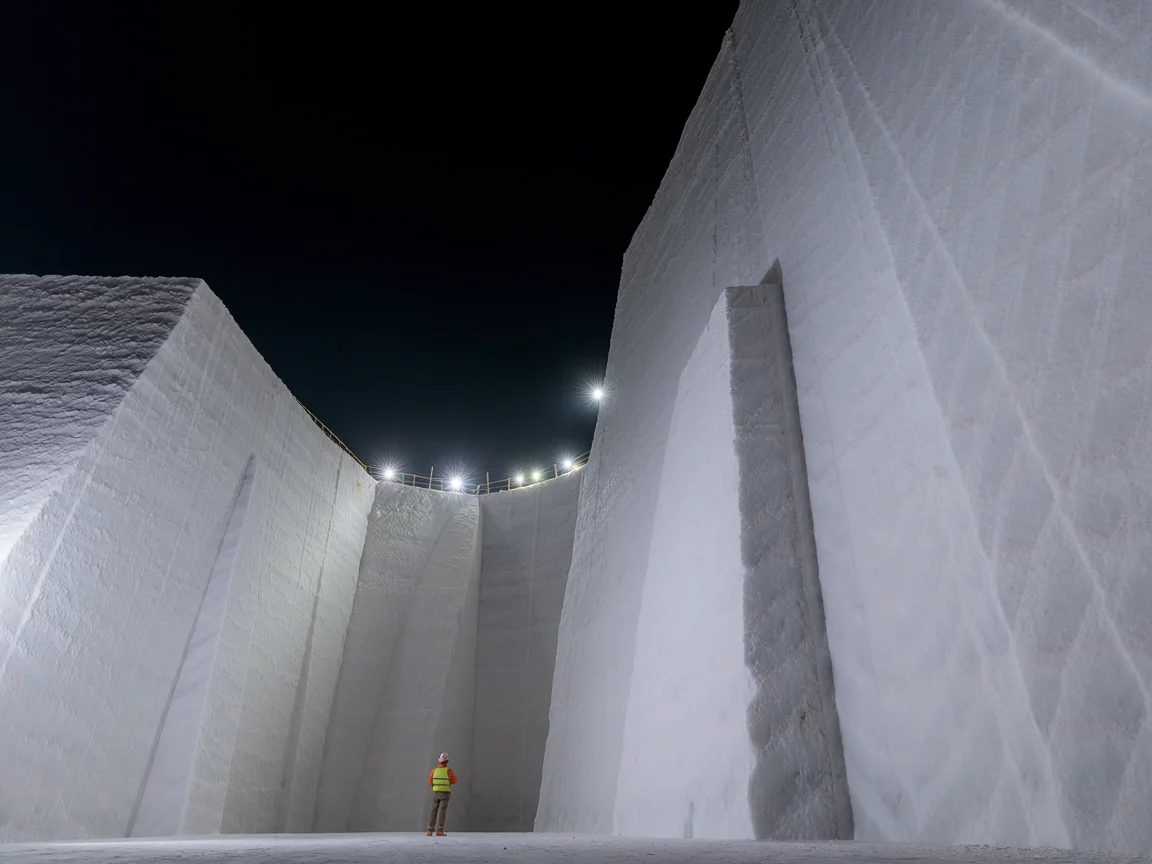
Thick underground deposits of rock salt formed when ancient seas evaporated. Salt is almost impermeable to gases and slowly flows under pressure, sealing small cracks. Those properties make salt formations ideal containers for storing gases and liquids deep underground.
Making a cavern
Engineers drill a well into the salt and pump in fresh water, which dissolves the salt. The resulting brine is pumped out, and the cavity grows over months or years. By controlling where water enters, they shape a tall cylinder that can be hundreds of metres high.
What goes inside
Many countries store natural gas in salt caverns to meet winter peaks, because gas can be injected and withdrawn quickly. The United States keeps its Strategic Petroleum Reserve of crude oil in salt caverns along the Gulf Coast. Compressed-air energy storage plants in Germany and the US use caverns as giant air tanks.
Hydrogen's future
Hydrogen is difficult to store in large volumes, but salt caverns in Texas and England have held it for decades. As countries plan to make hydrogen from renewable electricity, salt caverns could store it for months and release it when wind and sun are scarce. Sites must be monitored for ground movement and brine disposal must be managed carefully.
Sources & further reading
Depths and sizes vary by site. Photograph: original AI-generated illustration (Adobe Firefly). Reference organisations do not endorse this website.