The law of the sea
For centuries, coastal states claimed only a narrow strip of sea, traditionally three nautical miles. After the Second World War, claims expanded as fishing fleets and offshore oil grew. The 1982 UN Convention on the Law of the Sea, known as UNCLOS, created a common framework that most countries have joined.
What an EEZ grants
Within 200 nautical miles of its coast, a state has sovereign rights to explore and exploit natural resources—fish, oil, gas and minerals—and to build offshore wind farms. It can regulate fishing and marine research and is responsible for protecting the marine environment.
What it does not
An EEZ is not territorial water. Foreign ships may sail through and aircraft fly overhead, and other states may lay undersea cables and pipelines. Where coasts are closer than 400 nautical miles apart, neighbours must agree a boundary, which can lead to long disputes.
Small islands, big oceans
Because a single island generates a zone of 200 nautical miles in every direction, remote islands give some nations enormous ocean areas. That makes tiny rocks and reefs strategically valuable—and UNCLOS states that rocks unable to sustain human habitation do not generate an EEZ, a rule at the heart of several disputes.
Sources & further reading
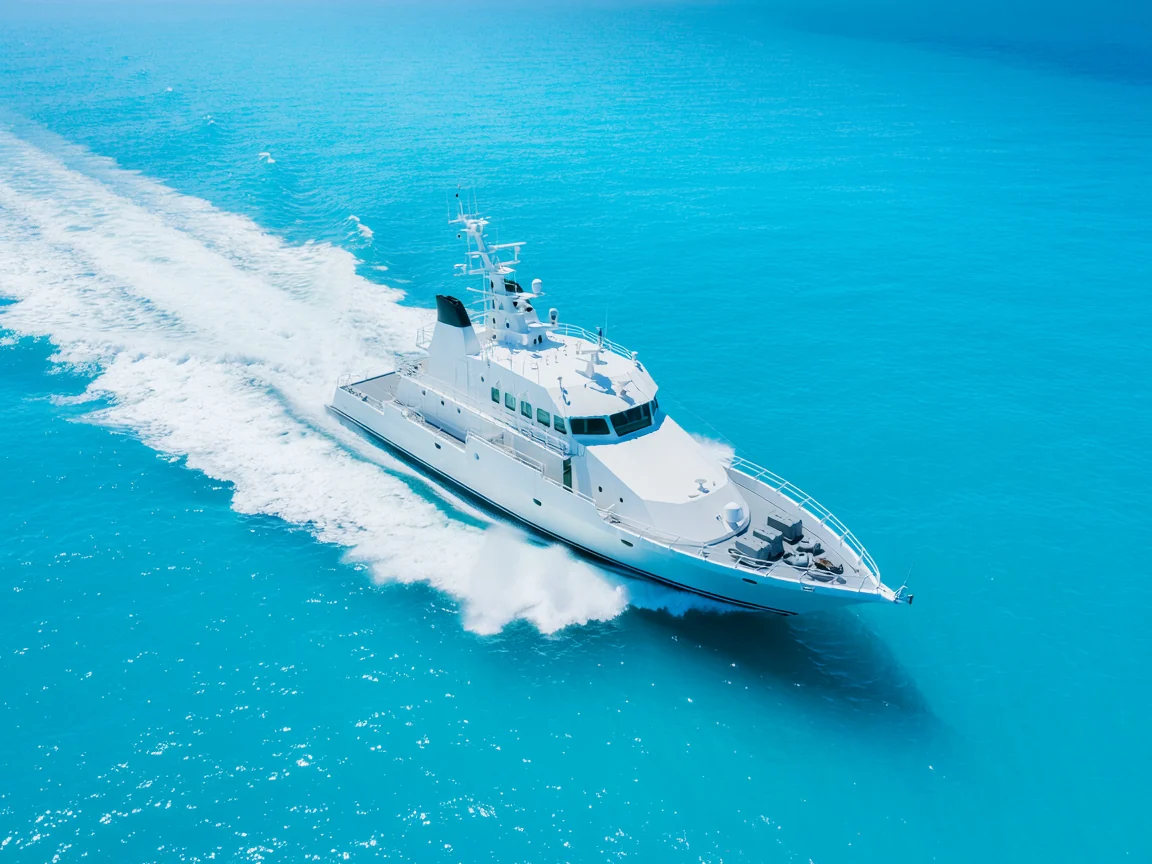
Simplified summary of UNCLOS; not legal advice. Photograph: original AI-generated illustration (Adobe Firefly). Reference organisations do not endorse this website.